





















Key Takeaways
- WFM aligns skills, schedules, and job demand to cut costs and raise productivity, especially for large, dispersed field teams.
- Cloud-based workforce management software enables real-time data, scalable deployments, and faster decisions anywhere.
- AI integration in workforce management improves forecasting, workforce scheduling, and compliance automation while enhancing employee experience and flexibility.
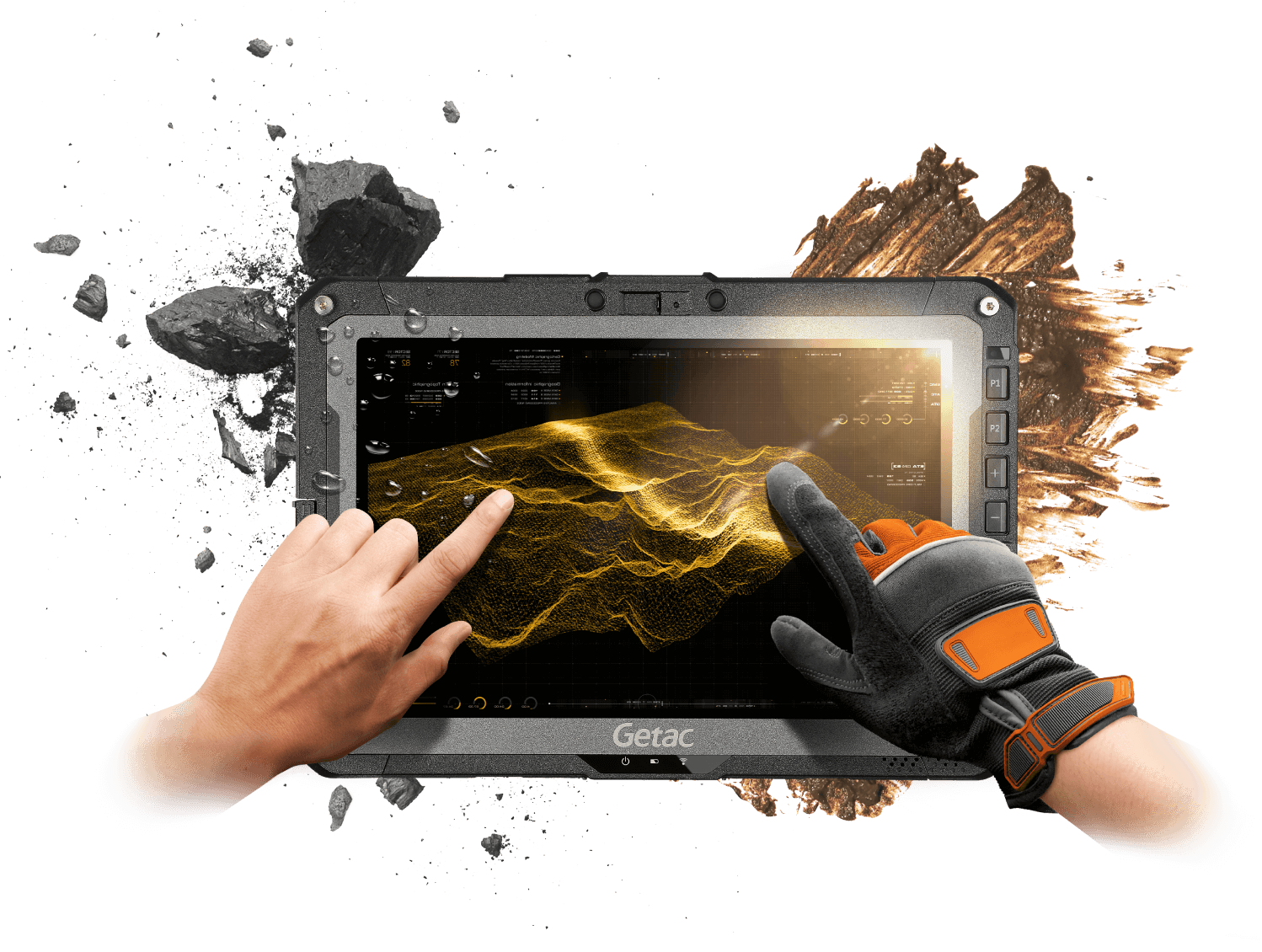
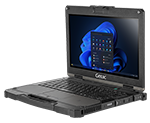
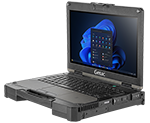
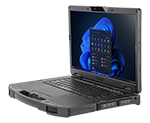
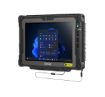
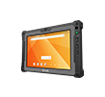
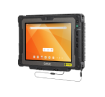
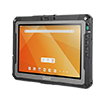
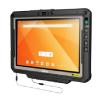
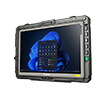
- Getac’s rugged devices (V120, F120, UX10, ZX10, ZX80 and ATEX variants) keep field teams connected, safe, and productive with MIL-STD certifications, IP ratings, LumiBond displays, barcode capture, and 4G/5G/Wi‑Fi 6E/7.
What is workforce management, and why does it matter for field operations?
Workforce Management (WFM) is the discipline and tool used to plan, schedule, and support employees so the right people with the right skills do the right work at the right time—efficiently and safely. For utilities and industrial manufacturers running complex, geographically distributed operations, WFM ties together people, processes, and data to reduce downtime, control labor costs, and maintain service levels.
Objectives of Workforce Management

How do we plan for skills and staffing needs?
Through skills-based workforce planning that maps current capabilities to forecasted jobs, supporting internal mobility and targeted upskilling.

How do managers get real-time job status and completion data?
By collecting time, location, and work-order updates from the field via mobile devices—keeping dispatch, supervisors, and back office aligned.

How can we manage large, field-based teams consistently?
Centralized scheduling, performance tracking, and communications ensure consistent safety, quality, and productivity across crews and regions.

How do we keep multiple back-office systems in sync?
WFM integrates with ERP, EAM, GIS, and HCM systems to maintain a single source of truth and prevent data drift.

How do we schedule and dispatch work orders accurately?
Skills, certifications, location, and availability drive automated scheduling so the right technician arrives first time.
How technology improves WFM outcomes

Where does AI integration in workforce management add value?
AI/ML models analyze historical demand, travel patterns, and skills to predict staffing needs, optimize routes, and balance shift loads—reducing overtime and improving on-time completion.

Why choose cloud-based workforce management software?
For scalability, faster rollouts, centralized updates, and real-time access to schedules, telemetry, and job data.

How does compliance automation in workforce management reduce risk?
Automated alerts for certifications, fatigue thresholds, union and labor rules, safety checklists, and audit trails prevent violations and cut administrative workload.

How do employee experience and flexibility affect results?
Flexible work hours and self-service scheduling tools correlate with higher retention, fewer unplanned absences, and improved productivity—while keeping coverage intact.
Success Stories

UTILITIES
Improving Field Operational Efficiencies & Communication Using Getac K120 Rugged Tablet
UTILITIES
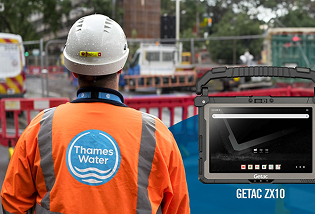
Thames Water upgrades its field workforce with new Android-based ecosystem built on Getac’s ZX10 fully rugged tablet
UTILITIES
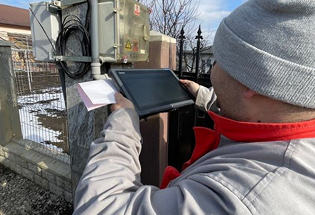
Romania’s Delgaz Grid Uses Getac’s F110 Models to Keep Their Customers Powered Up
READ MORE →
Which Getac devices, software, and accessories fit common WFM use cases?
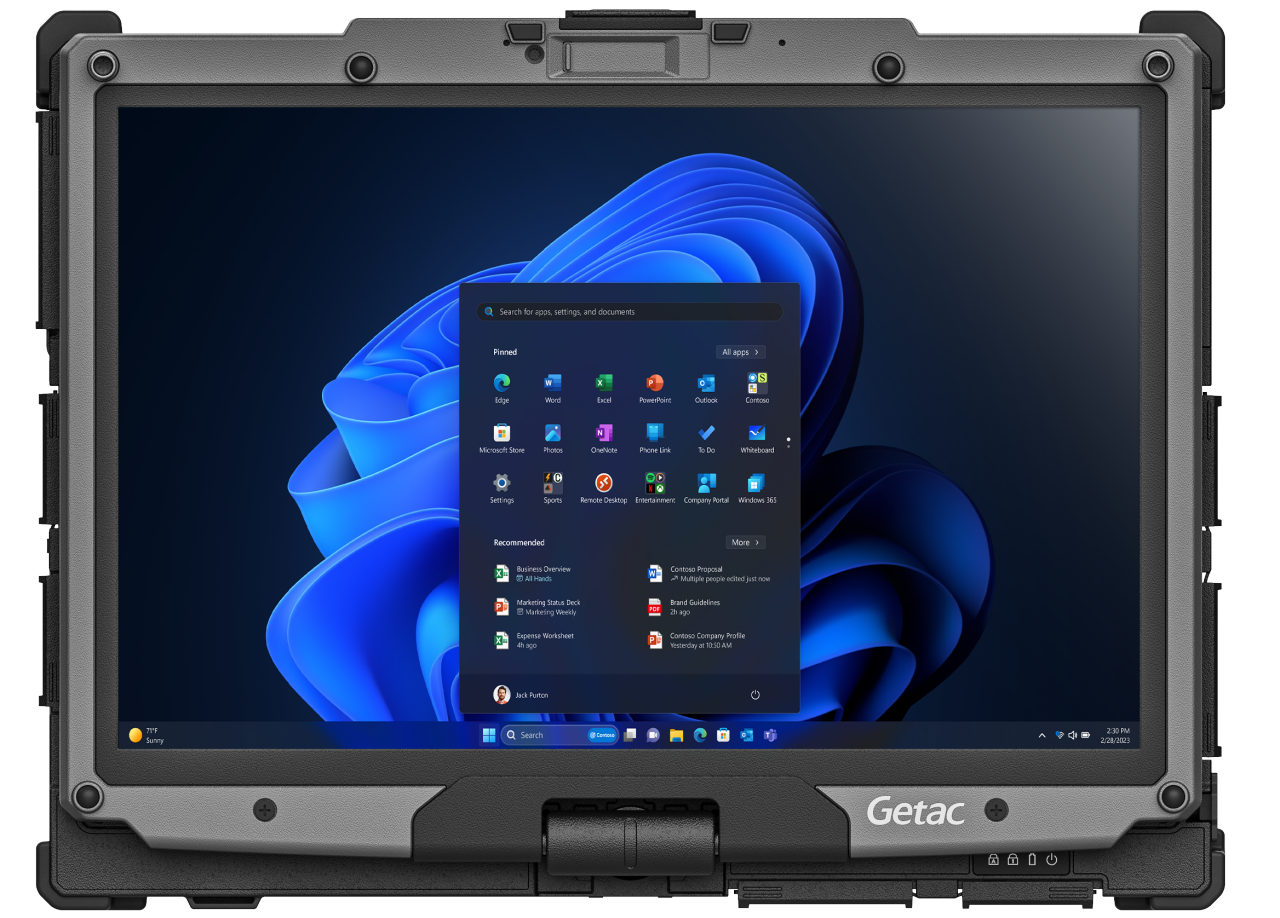
Multi-mode Field and Office Work
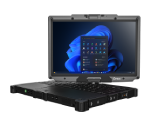
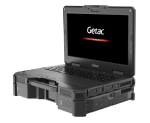
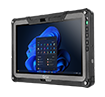
V120
Fully Rugged Laptop
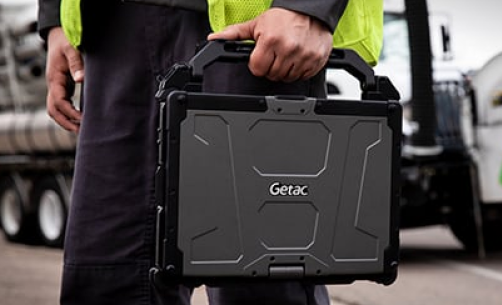
Multiple work modes (laptop/presentation/tablet), Intel Core Ultra processors with Intel AI Boost NPU, Thunderbolt 4, optional barcode reader, MIL‑STD‑810H, MIL‑STD‑461G, IP66, 4ft drop; compatible with Havis and Gamber‑Johnson vehicle docks.
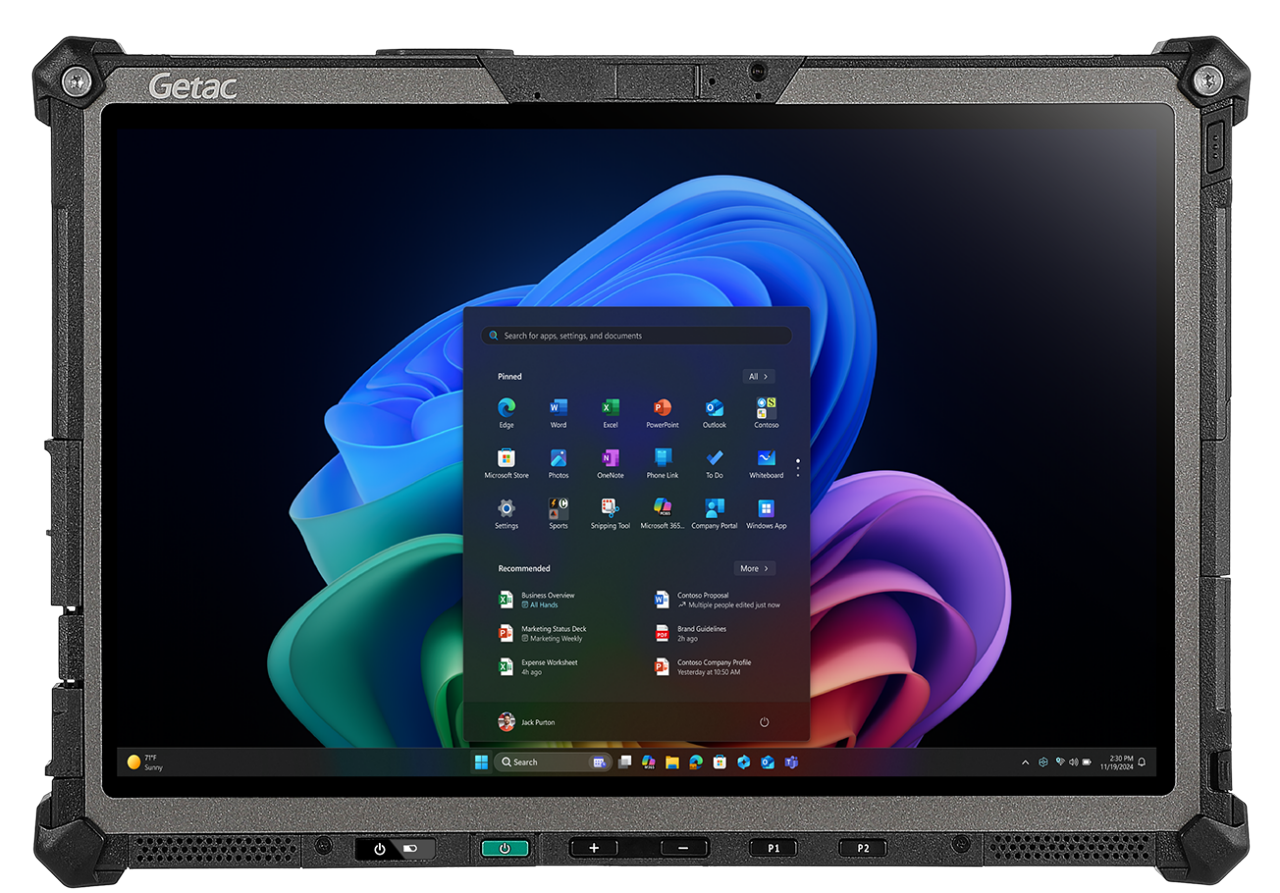
Optimizes Mobility and Data Capture
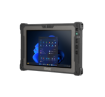
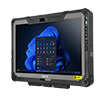
F120
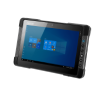
Fully Rugged Tablet
12.2" 1,200‑nit LumiBond display with glove/rain touch, hot-swappable dual batteries, dual Thunderbolt 4, Wi‑Fi 7/BT 5.4, optional 5G Sub‑6 with integrated L1/L5 GPS, optional 1D/2D barcode reader, 13MP rear camera; MIL‑STD‑810H, IP66, 6ft drop.
Vehicles Safety Improvement
Getac Driving Safety Utility
Reduces visual/manual distractions with screen blanking while vehicles are moving, supporting safe operations and policy compliance.
Which WFM solution capabilities are essential for field teams?
Work Order Management
How to keep people and parts moving?
Prioritized dispatch, skill matching, and integrated parts/asset data limit rework and drive first-time fix rates.

Project Scheduling
How do you align resources to timelines?
Project calendars and capacity views enable proactive planning, avoiding delays and costly bottlenecks.

Asset Management
How do you protect uptime?
Assign inspections/repairs, capture barcode/serials, attach photos/videos, and sync with EAM, extending asset life.

Job Management
How to raise productivity and satisfaction?
Clear digital workflows, offline capability, and transparent KPIs reduce idle time and improve employee engagement.
How do Getac solutions strengthen WFM in the field?

Connectivity Supports Quick Response
Options for 4G LTE, 5G Sub‑6, Wi‑Fi 6E/7, GNSS (L1/L5), and RF pass-through keep teams online for real-time coordination, even at remote sites.
Boost Productivity and Safety
Sunlight-readable LumiBond displays (up to 1,200 nits), glove/rain touch, hot-swappable batteries, and in-vehicle docks maintain workflows in harsh conditions.
Data Captured and Secured: Barcode Reader
Integrated 1D/2D barcode readers, 13MP cameras, and multi-factor authentication (TPM 2.0, Windows Hello, smart card, fingerprint, HF RFID, optional Intel vPro) protect sensitive operational data.
Quick Answers to Common WFM Questions
What are the primary benefits of cloud-based workforce management systems?
Lower upfront costs, scalability, faster updates, real-time data access, easier integrations, and standardized security controls.
How can AI improve workforce scheduling and prediction models?
By forecasting demand, matching skills to work orders, optimizing routes, and dynamically balancing shifts, AI lowers overtime and boosts on-time completion.
What compliance challenges can automation resolve for large workforces?
Certification expirations, driving/fatigue limits, digital safety checklists, and auditable trails, help minimize fines and rework.
Conclusion
WFM succeeds when skills, schedules, and field realities connect through cloud, AI, and rugged mobility. By combining proven WFM capabilities with Getac’s durable devices, advanced connectivity, data capture, and safety-focused accessories, organizations can streamline dispatch, protect compliance, and elevate the employee experience—while preparing for vegetation AI, water network renewal, hazardous inspections, private 5G, and sustainability goals.