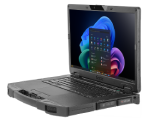
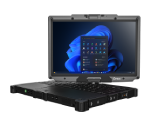
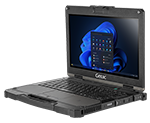
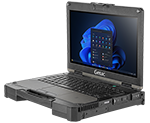
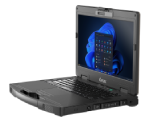
Field Safety and Worker Protection Through Certification
Operational Safety Integration
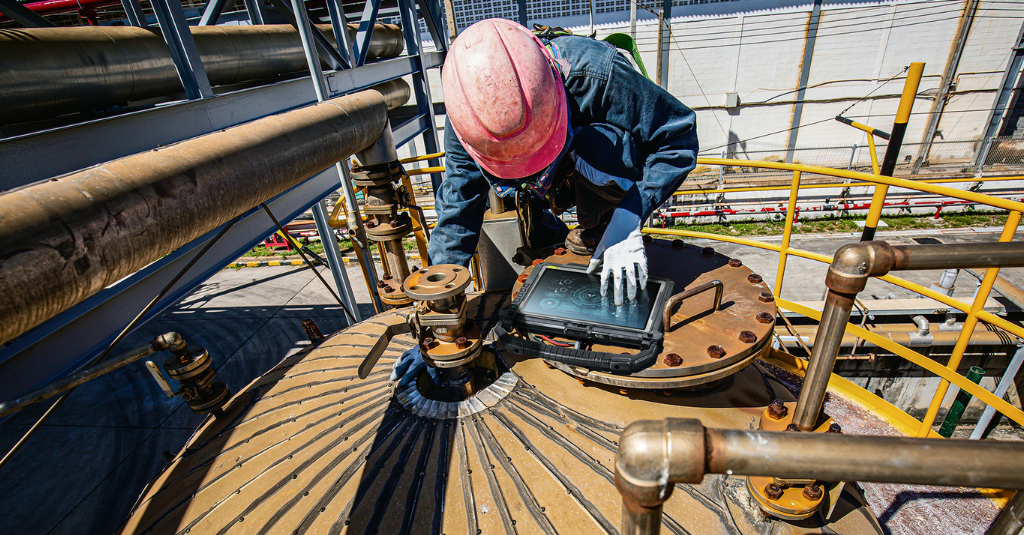
Rugged device certifications help support safer operations by providing technology designed to enhance communication and data access during critical tasks. When devices meet stringent environmental and security standards, utility workers can stay focused on their tasks with greater confidence in the technology designed to support them.
Safety-critical applications include:
Emergency Response Coordination: Reliable communication during storm restoration and equipment failures
Hazardous Material Monitoring: Environmental sensing integration and real-time data transmission
Lone Worker Protection: GPS tracking and emergency notification capabilities in remote locations
Ergonomic and Usability Certifications
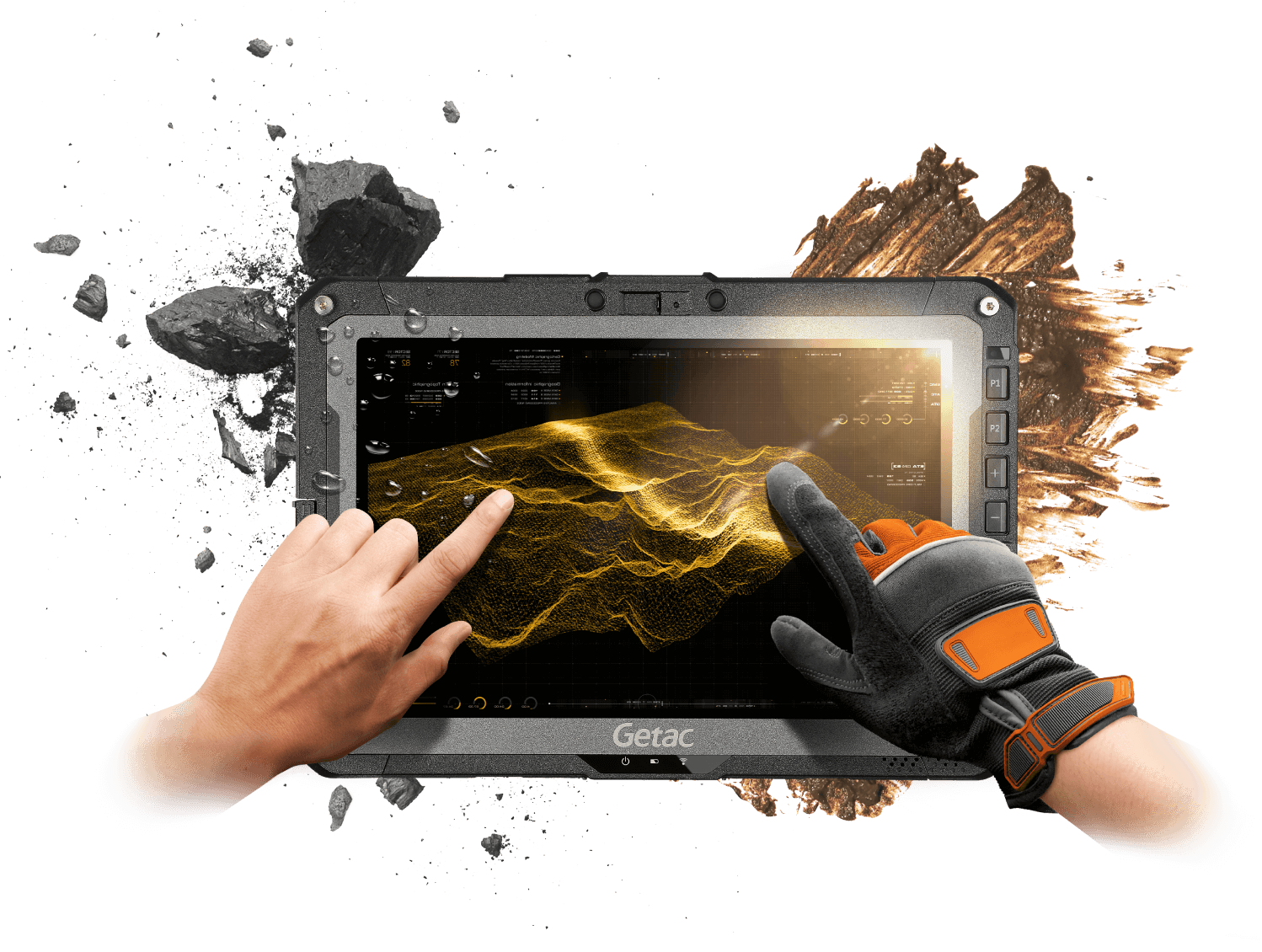
Field devices must support extended use while wearing personal protective equipment. Getac's designs include glove-compatible touchscreens, high-brightness displays readable in direct sunlight (500-1000 nits), and lightweight constructions that reduce worker fatigue during extended operations. Learn more about Getac's utility-specific solutions.
How Getac Leverages Industry-Standard Testing for Reliable Performance
Industry-Specific Approach
Unlike manufacturers who focus on generic certifications, Getac provides industry-specific warranty coverage designed around real-world utility usage patterns. This approach recognizes that utility field conditions represent normal operating environments, rather than exceptional circumstances that require special consideration.
Comprehensive Documentation Support
Getac provides comprehensive certification documentation to support regulatory audits and compliance verification. This documentation package includes:
Test Reports: Detailed results from all certification testing
Compliance Matrices: Clear mapping between regulatory requirements and device capabilities
Ongoing Compliance Support: Updates and guidance as regulations evolve
Operational Reliability & Compliance
Getac supports long-term device compliance through comprehensive service offerings, including available Bumper-to-Bumper coverage that extends beyond standard component warranties. By leveraging a vertically integrated supply chain, Getac provides the technical agility required to help customers adapt to shifting regulatory and operational requirements throughout a device’s lifecycle.
The Strategic Value of Comprehensive Rugged Device Certification
Investing in properly-certified rugged devices delivers measurable returns through reduced operational risks, improved regulatory compliance, and enhanced worker productivity. Implementing solutions designed for safety and reliability can strengthen stakeholder and user confidence, while supporting organizations in their broader efforts to improve operational resilience.
The complexity of utility operations demands technology partners who understand both the technical requirements and the regulatory landscape. Through proper certification selection and implementation, utilities can focus on their core mission of providing reliable and safe energy services, knowing that their technology infrastructure is designed to support high standards of durability, security, and regulatory expectation. For more information on how Getac can support your utility's compliance requirements, visit our certification overview or contact our utility specialists.
Frequently Asked Questions
What is military grade durability certification?
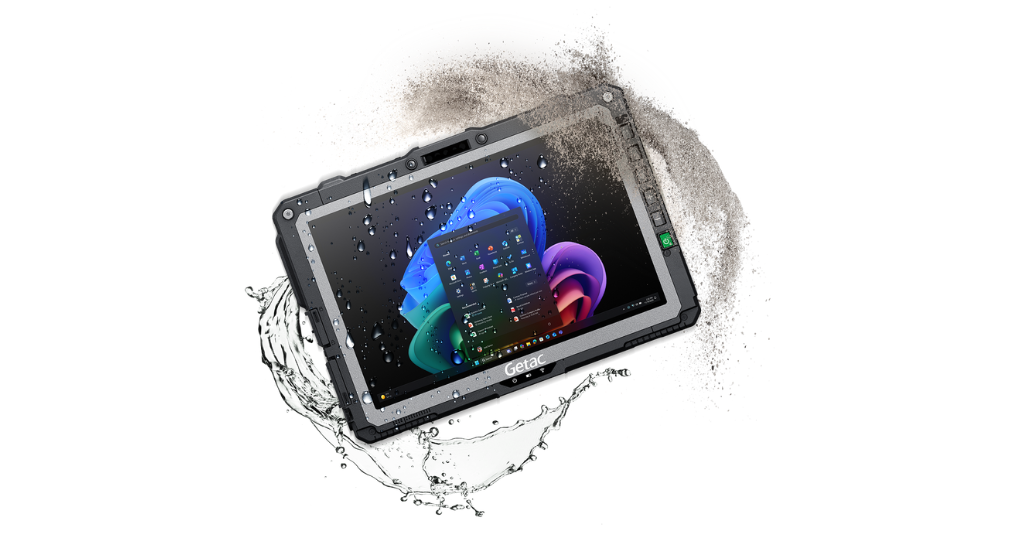
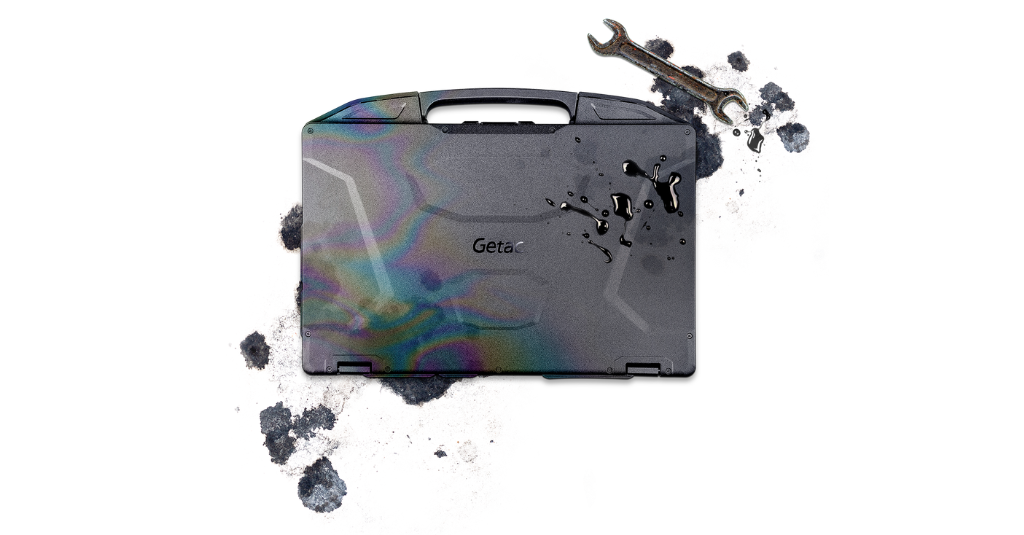
Military grade durability certification refers to devices that have passed MIL-STD-810H testing standards established by the U.S. Department of Defense. These devices are exposed to harsh conditions, including extreme temperatures, shock/drop, vibration, dust, and humidity. Military test methods and certifications such as MIL‑STD‑810H, MIL‑STD‑461G, and IP66 evaluate devices under a range of rigorous environmental conditions to support military‑grade durability claims, helping demonstrate their capability to operate in challenging environments commonly encountered by utility workers.
What is the difference between MIL-STD-810G and 810H?
MIL-STD-810G was replaced by MIL-STD-810H in 2019, with significant improvements in testing methodology. The key differences include: 810H covers altitudes up to 150,000 feet, compared to 100,000 feet in 810G, addressing high-altitude operations; introduces dynamic temperature cycling that better simulates real-world conditions; requires an environmental lifecycle analysis for long-term reliability; and includes stricter vibration testing with multi-axis simulation. Devices certified to 810G cannot automatically meet 810H standards; retesting is required due to the more rigorous requirements.
What is the difference between IP68 and MIL-STD-810H?
IP68 and MIL-STD-810H test different aspects of device protection. IP68 specifically measures water and dust ingress protection, indicating a device can be submerged in water beyond 1 meter for extended periods with complete dust protection. MIL-STD-810H is a comprehensive environmental testing standard covering nearly 30 different conditions, including temperature extremes, shock, vibration, humidity, altitude, and more. While IP68 focuses solely on water/dust protection, MIL-STD-810H provides broader environmental durability certification. Getac devices often carry both certifications for complete protection.
Is "military grade rugged" durability drop resistance?
Military grade rugged durability includes drop resistance as one component of comprehensive protection. MIL-STD-810H testing includes specific drop tests that simulate devices being dropped onto concrete from various heights and angles. However, military grade certification goes far beyond drop resistance to include protection against extreme temperatures (-20°F to 145°F), vibration, shock, humidity, dust, water ingress, and electromagnetic interference. Getac’s military‑grade devices are tested to withstand drops of up to six feet and are designed to operate in a wide range of environmental conditions commonly encountered by utility workers when used in accordance with the product manual.
What is salt fog testing, and why is it important?
Salt fog testing evaluates a device's corrosion resistance in high-salinity environments. Since salt is highly corrosive, Getac utilizes proprietary defense systems including Magnesium Chemical Conversion (MGCC), four-layer acrylic resin painting, and microstructure drainage technology. Successfully navigating these rigorous evaluations—which involve intensified cycles of exposure and drying—demonstrates the equipment's capability to withstand maritime and coastal conditions where standard rugged devices are typically susceptible to damage.