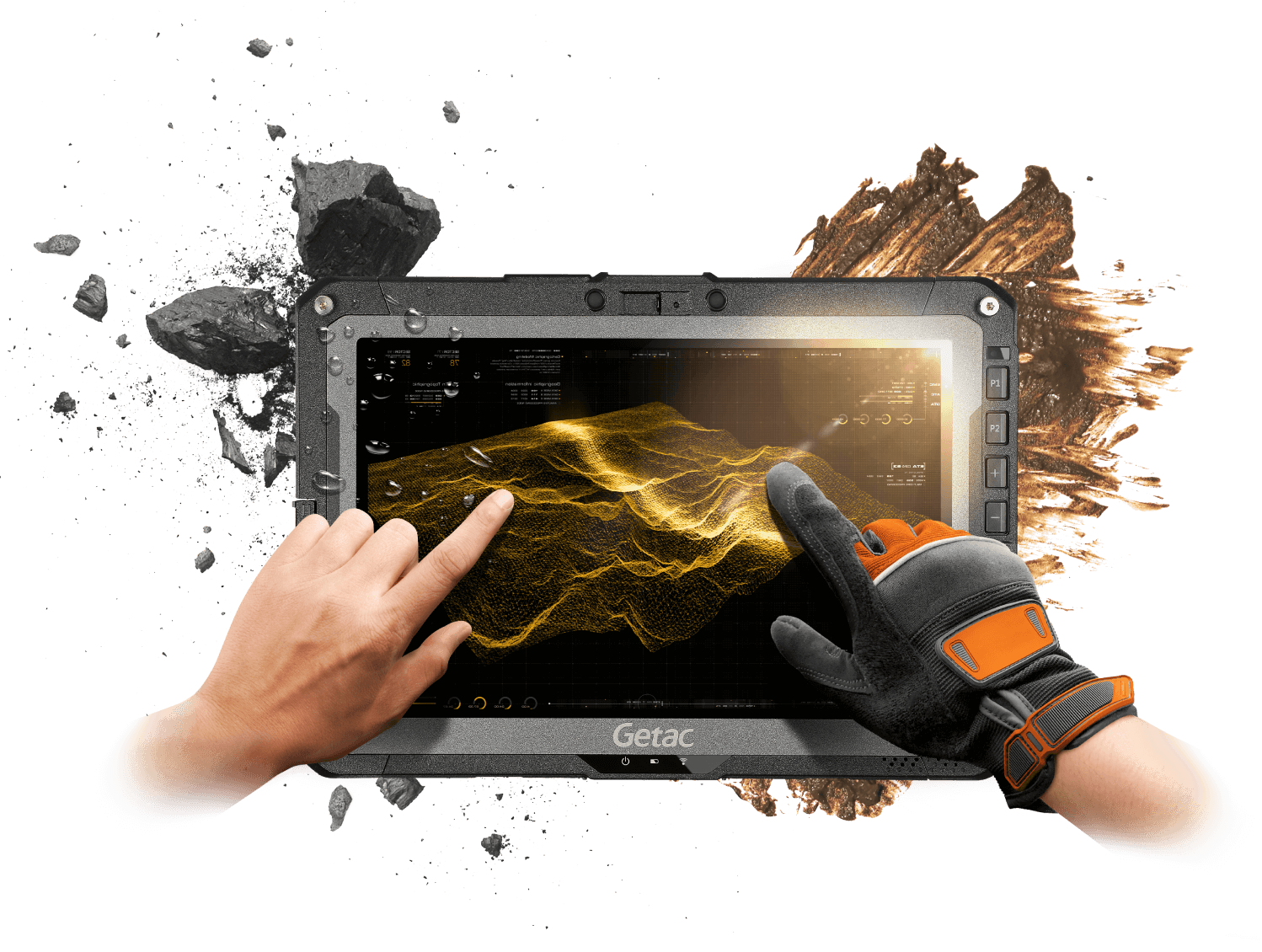





















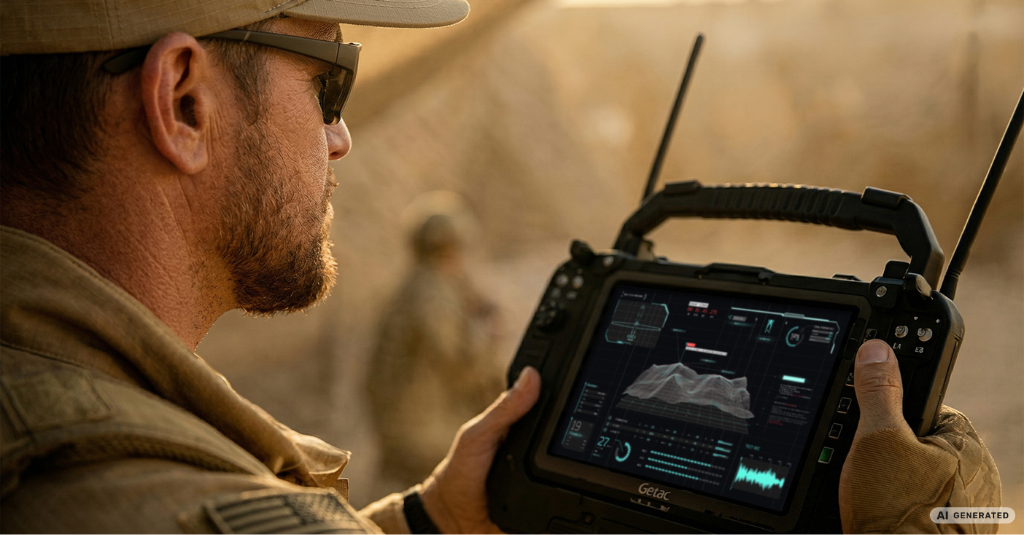

As one of the leading rugged computer providers, Getac offers extensive rugged computing product lines and serves a wide range of vertical markets.



A ground control station (GCS) is the hardware and software hub through which an operator plans missions, sends commands, and receives telemetry and sensor data from an unmanned aerial, ground, or maritime system. For system integrators building command-and-control solutions on top of someone else's hardware, the question is rarely “does it work.” It's “can I configure it to fit the mission I'm actually being asked to solve, and will it still fit the next one.” Configurable I/O and expansion hardware is designed to help answer that question.
This article looks at what configurable GCS hardware means in practice, why it matters for integrators specifically, the open-systems standards shaping how these platforms are specified, and what to evaluate before committing to a GCS hardware partner.
GCS programs rarely stand still. As unmanned systems take on new payloads, sensors, and mission types, the hardware at the control station often needs to support those changes rather than be replaced outright. In U.S. defense acquisition, that expectation has been written into law through the Modular Open Systems Approach (MOSA), covered in more detail below.
That upgrade-driven dynamic is a core argument for configurable hardware. Integrators often support a customer's UAS, UGV, or C-UAS platform today and may need to accommodate a different sensor payload, radio, or vehicle type within the same contract lifecycle. Hardware that requires a full redesign every time a mission profile changes can add cost and schedule risk to follow-on programs. Hardware built around configurable I/O and expansion interfaces is designed to help absorb that change instead.
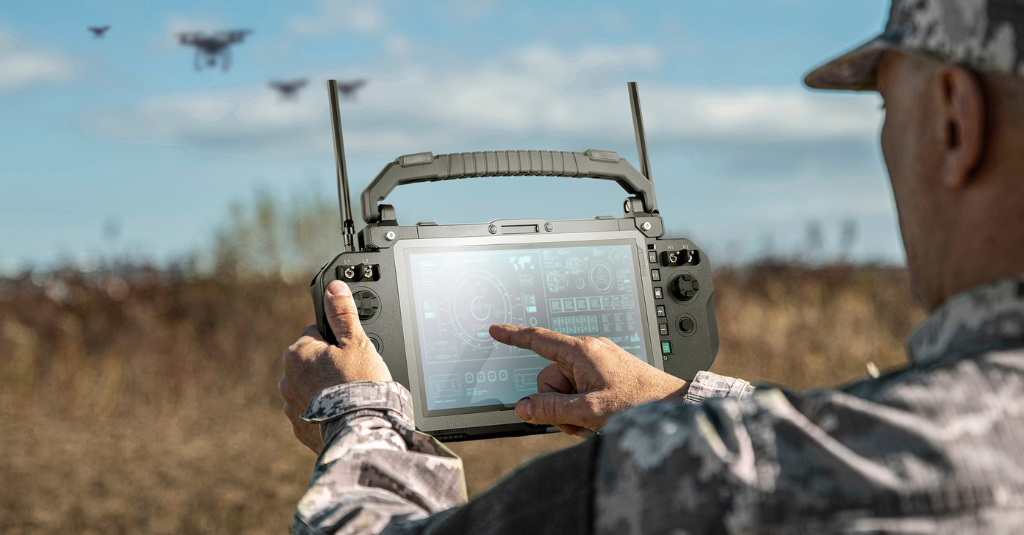
Configurable GCS hardware helps integrators match one control platform to different drones, radios, and missions.
In this context, “configurable” means the hardware is specified and integrated to match a program's requirements, rather than assembled from user-swappable modules after purchase. At the hardware level, a configurable GCS platform typically includes:
None of these ideas is new on its own. The value comes from bringing them together in rugged hardware, so integrators can configure per program instead of rebuilding hardware for each one.
In defense acquisition, modularity and interoperability have been formalized through law and open-systems standards.
Modular Open Systems Approach (MOSA). U.S. law (10 U.S.C. § 4401) requires Major Defense Acquisition Programs to be designed and developed using a Modular Open Systems Approach “to the maximum extent practicable.” The U.S. Department of Defense describes MOSA as a strategy to build systems with “highly cohesive, loosely coupled, and severable modules that can be completely separated and acquired from independent vendors,” with the aim of reducing vendor lock-in and supporting incremental capability upgrades. A 2025 GAO review found that 14 of 20 defense programs examined had implemented MOSA to at least some extent, while also noting that the approach requires deliberate upfront planning around interfaces and cybersecurity to realize its cost and upgrade benefits. For integrators, hardware that supports open, standards-based interfaces can be easier to justify in a competitive procurement.
STANAG 4586. On the UAV control side specifically, NATO's STANAG 4586 defines standard interfaces for UAV Control Systems, covering data link, command and control, and human-computer interface elements, with the goal of enabling different UAVs, ground control systems, and C4I systems to interoperate across a joint or coalition environment. A control station architecture that is not locked to a single vendor's proprietary protocol stack can be better positioned to support this kind of interoperability requirement when it appears in a tender.
Together, these standards help explain why interoperability and open architecture can appear as requirements in defense GCS solicitations, and why integrators may ask about I/O and standards support early in a hardware evaluation.
For integrators specifying or recommending GCS hardware, seven questions are worth asking alongside headline specs:
These criteria reflect the priorities set out in the open-systems guidance above. The DoD's MOSA guidance emphasizes severable modules and incremental upgrades, and the GAO review points to interface planning and cybersecurity as conditions for realizing MOSA's cost and upgrade benefits.
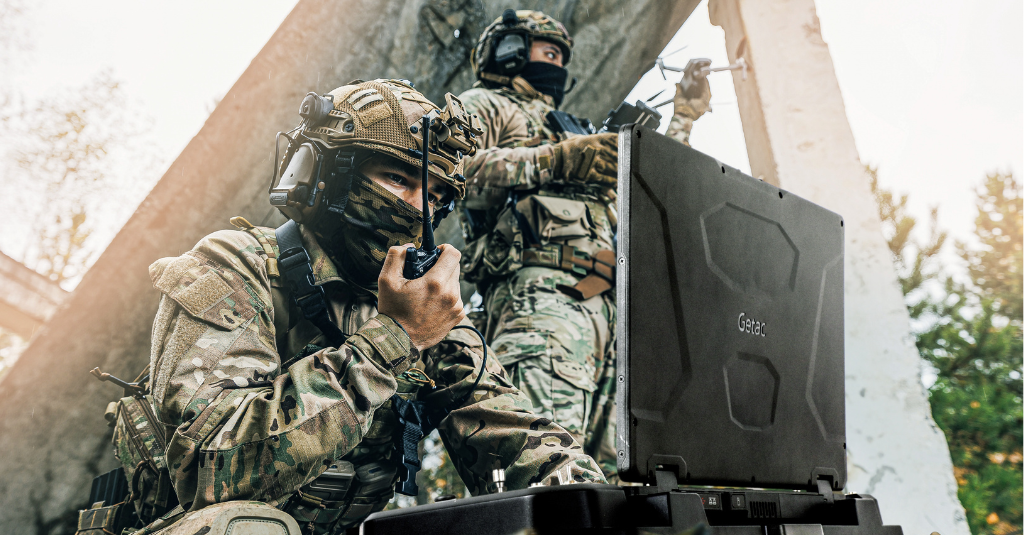
Many GCS programs use both radios and drones, so integrators often need hardware that can support more than one data link.
The mission types driving GCS modernization span several integrator segments:
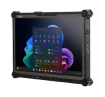
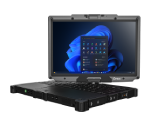
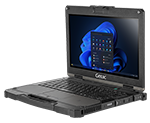
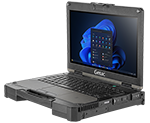
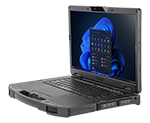
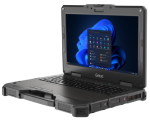
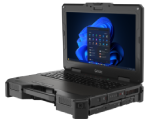
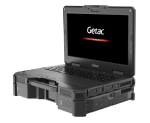
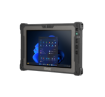
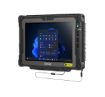
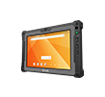
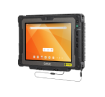
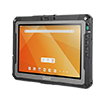
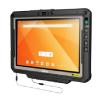
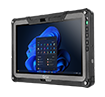
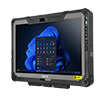
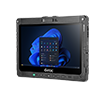
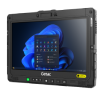
Getac's CommandCore GCS platform is built around this configurable approach. It brings together rugged tablets and laptops, such as the ZX80 tablet, with additional models, including the UX10. CommandCore devices can be configured with reserved external I/O ports, a reserved RF compartment for flexible RF integration, external antenna support, and hot-swappable batteries. Radios and communication networks can be customized upon request, working alongside the integrator's chosen radio vendor, to help avoid lock-in to a single data link. CommandCore was developed in collaboration with technology and connectivity partners, and Getac's warranty and service offerings can be tailored to each program, including arranging on-site support through third-party providers where required. With a range of rugged device form factors and support for larger-quantity deliveries, CommandCore is designed to help integrators scale configured solutions as program demand grows. Full technical details are available on the Getac CommandCore Ground Control Station page.
A ground control station is the hardware and software system used to command, monitor, and control unmanned aerial, ground, or maritime vehicles from a terrestrial location. It typically handles mission planning, telemetry, payload control, and data link management between the operator and the unmanned platform.
For integrators, criteria worth prioritizing include configurable I/O for third-party hardware integration, flexible RF integration, hot-swappable batteries to help maintain power during drone missions, independently verified environmental ruggedness, field serviceability, compatibility with existing command-and-control or mission software, and the vendor's ability to scale from pilot quantities to larger deployments. No single performance spec should be evaluated in isolation.
Developments discussed across the industry include open-systems architectures aligned to standards such as MOSA and STANAG 4586, flexible RF integration, hot-swappable power for continuous field operation, and on-device AI processing at the control station itself.
By working with platforms that offer reserved I/O ports, expansion interfaces, and flexible data link integration, integrators can adapt base hardware to different radios, payloads, and vehicle types, often without a full custom redesign for each program. Some integrations, such as a specific radio, may still require customization in collaboration with the radio vendor.
An open architecture is designed to support interoperability with widely used command-and-control and situational awareness software instead of a single, proprietary ecosystem. The degree of interoperability varies by platform and configuration and should be verified against the specific standards (for example, STANAG 4586 compliance) a program requires.

As one of the leading rugged computer providers, Getac offers extensive rugged computing product lines and serves a wide range of vertical markets.


Subscribe below to be kept up to date on the latest industry and technology trends. We will send you a monthly blog round-up direct to your inbox.