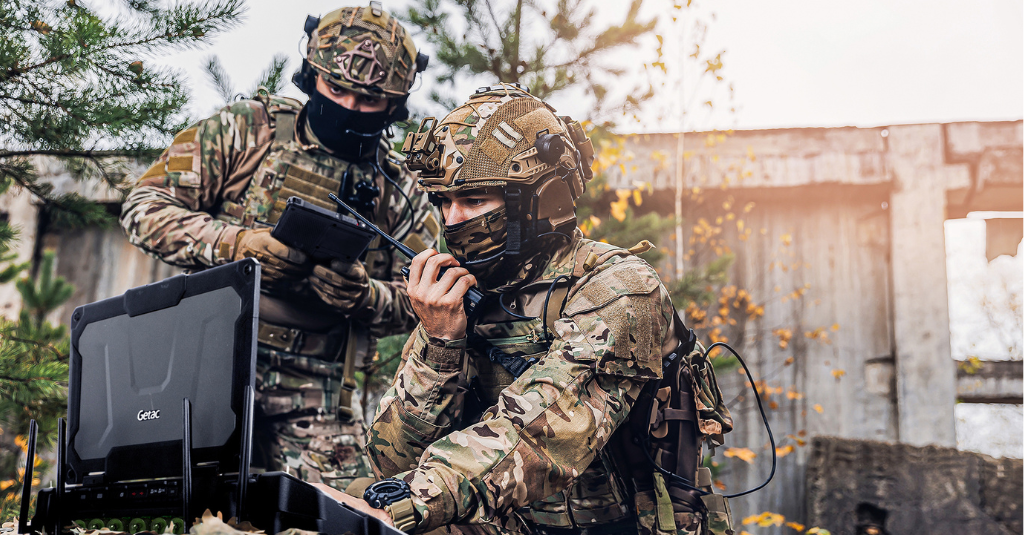
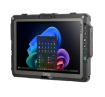
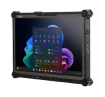
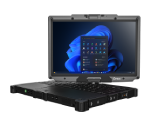
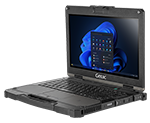
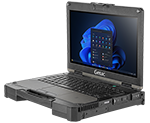
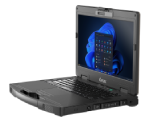
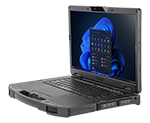
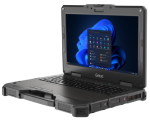
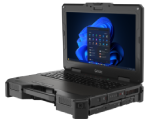
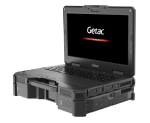
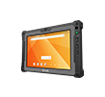
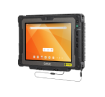
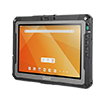
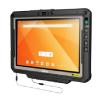
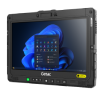
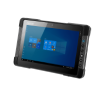





















As one of the leading rugged computer providers, Getac offers extensive rugged computing product lines and serves a wide range of vertical markets.



Digital transformation offers incredible opportunities for operational efficiency, but it also creates a larger attack surface for cybercriminals. Industries such as manufacturing, energy, and transportation are rapidly transitioning from traditional pen-and-paper workflows to digitized operations. This shift allows remote workers to access real-time data and communicate seamlessly from the field. However, without robust security protocols, these advancements leave sensitive information exposed to significant risks.
Recent studies highlight the urgency of addressing these threats. According to IBM’s 2023 Cost of a Data Breach Report, the average cost of a data breach globally reached $4.45 million, with critical infrastructure industries often facing higher-than-average financial and operational consequences. In North America, that figure climbs to $5.4 million, while in the EMEA region, GDPR penalties alone have reached a cumulative total of €4.48 billion since 2018, underscoring the severe financial and regulatory risks organizations face worldwide. The same report found that organizations with fully remote or hybrid operations take up to 316 days to contain breaches, underscoring the vulnerabilities of connected systems.
This article explores the growing cyber threats targeting critical infrastructure, the disconnect between IT budgets and real-world risks, and how secure rugged devices can protect your operations.
Cybercrime is growing at an alarming rate. Research from the World Economic Forum’s Global Cybersecurity Outlook 2023 found that ransomware attacks alone increased by 13% year-over-year. Manufacturing remains the most targeted sector, accounting for 26% of global cyberattacks in 2024, followed by energy (10%) and transportation (7%). Manufacturing has remained the top threat for the past few years, due to its combination of the following factors:
The financial toll of cybercrime has reached unprecedented levels. According to the FBI's Internet Crime Complaint Center (IC3), reported losses in the U.S. soared to over $16 billion—a 33% increase from 2023. This figure only represents reported incidents, suggesting the true economic damage is far greater. A 2024 report from Statista projects that the global cost of cybercrime will climb to an astonishing $13.82 trillion by 2028, underscoring the severe and escalating financial risk to all sectors, especially critical infrastructure.
Real-world incidents further illustrate the scale of the problem. In 2021, the ransomware attack on Colonial Pipeline disrupted fuel supplies across the U.S. East Coast, causing widespread panic and economic damage up to $40 million. Similarly, the 2023 cyberattack on Suncor Energy, a major Canadian energy company, resulted in millions of dollars in costs. These examples emphasize the need for robust cybersecurity measures in critical industries.
Critical infrastructure reliance on complex supply chains and interconnected networks makes it a prime target for ransomware, data theft, and operational disruption.
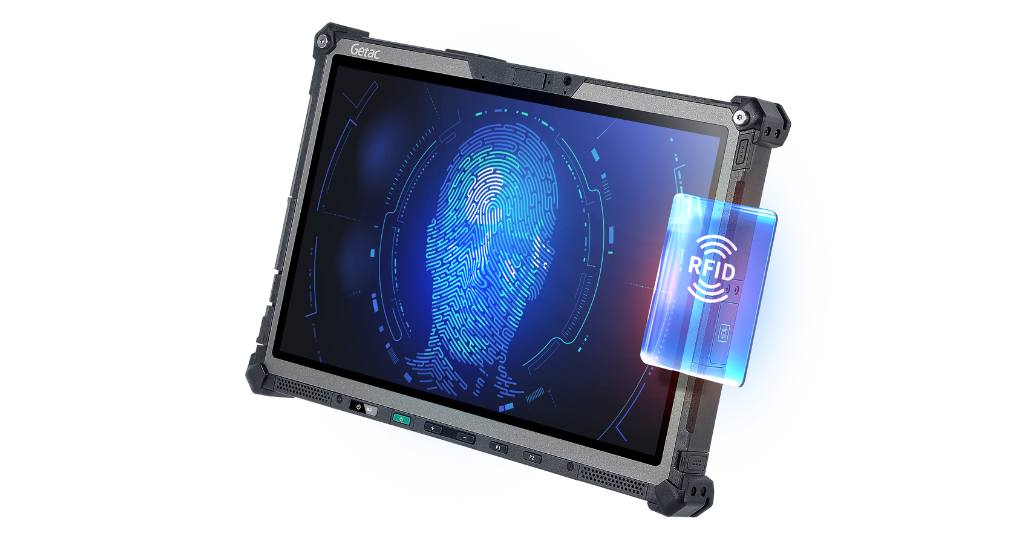 Integrated multi-factor authentication on rugged devices provides a robust layer of hardware-level security for protecting critical infrastructure.
Despite the escalating cyber threat landscape, IT security budgets are not keeping pace. According to Gartner, while worldwide security and risk management spending is projected to grow 14.3% to reach $215 billion in 2024, this investment is often misaligned with emerging threats. The focus is shifting towards more proactive, human-centric security designs and continuous threat of exposure management. This trend is necessary, as the old models struggle to keep up with the speed of cybercrime. In the North American market, cybersecurity spending is projected to reach $82 billion in 2024, but experts warn this may still fall short of the investments needed to address rapidly evolving threats.
Digitized field operations can eliminate up to 10 hours of manual administrative work per week and increase productivity up to 50%, though they expose remote workers to greater risks. These employees often operate with limited IT oversight, connecting to unsecured networks while handling sensitive data. With the advent of remote and hybrid work, the risks are even more pronounced. Recent research confirms that unprotected devices remain a primary vector for breaches. According to BonViewPress, 42% of critical vulnerabilities now originate from unpatched firmware on remote and IoT devices. This trend is exacerbated by the fact that nearly half of all perimeter vulnerabilities remain unresolved, according to the 2025 Verizon Data Breach Investigations Report, highlighting a critical gap in remote protection strategies.
In security-critical industries, rugged laptops and tablets are essential tools for remote workers operating in harsh environments. These devices are designed to withstand extreme weather, drops, and water exposure, boasting certifications like MIL-STD-810H and IP65.
Microsoft Secured-Core devices provide a critical layer of defense. This technology integrates firmware, hardware, and software protections into rugged endpoints, ensuring secure boot processes and tamper resistance. 2023 Research by IDC confirms that Secured-Core devices reduce the risk of firmware attacks, one of the leading methods used by sophisticated threat actors.
Working with trusted hardware partners like Getac enhances endpoint security further. For Windows-based devices, Getac includes Absolute Secure Endpoint technology, which allows IT teams to maintain visibility and control even if a device is stolen, reimaged, or tampered with. This persistence technology is designed to enhance the protection of sensitive data across a wide range of operating conditions.
For North American industries, partnering with local cybersecurity experts and adopting frameworks like the NIST Cybersecurity Framework can strengthen overall resilience. These frameworks provide tailored guidelines to address the unique challenges faced by critical infrastructure in the region. Additionally, with partners like Cigent, Getac gives customers options for data-at-rest solutions on Windows devices, further securing sensitive information.
To effectively protect critical infrastructure, organizations must adopt a comprehensive security strategy. Below are key best practices, supported by research:
MFA is a proven first line of defense against unauthorized access. According to the Verizon 2024 Data Breach Investigations Report, stolen credentials remain the primary entry point for attackers, contributing to the 68% of breaches that involve a human element. Microsoft’s 2024 Digital Defense Report further underscores this necessity, noting that MFA remains the most effective deterrent, capable of blocking over 99% of identity-based attacks. To streamline deployment, Getac enables companies to use both high-frequency (HF) and low-frequency (LF) RFID cards, simplifying the process for IT teams.
Protecting data in transit is essential. E2EE ensures that only intended recipients can access transmitted information, while secure access protocols shield sensitive communications from interception. The 2024 Thales Global Data Threat Report highlights the efficacy of these controls, showing that organizations with rigorous encryption and compliance standards are significantly more resilient experiencing a 10x lower breach rate (just 3%) in the last year compared to those with insufficient protections (31%). Furthermore, IBM’s 2025 research identifies data encryption as a top cost-mitigating factor, saving organizations an average of $208,000 per incident.
Rapid updates and firmware maintenance are the front line of defense against modern extortion. According to the Sophos State of Ransomware 2024 report, unpatched vulnerabilities are now the #1 root cause of ransomware attacks, accounting for 32% of all incidents. Automated patch management mitigates this risk by ensuring that security gaps are closed immediately, preventing attackers from gaining the foothold necessary to deploy destructive payloads.
Even with robust defenses, breaches can occur. Clear incident response plans allow organizations to isolate compromised endpoints and restore operations quickly. The IBM Cost of a Data Breach Report found that having an incident response team reduces the average cost of a breach by $1.49 million.
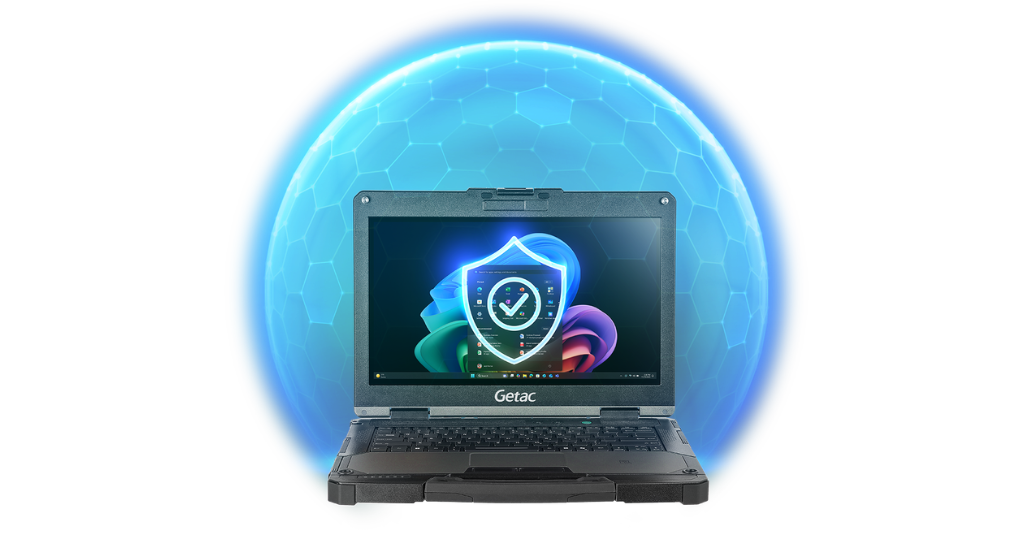 Advanced hardware-level security features on rugged devices create a proactive shield to protect critical infrastructure from increasingly sophisticated cyber threats.
Protecting critical infrastructure requires a holistic approach that combines physical durability with advanced cybersecurity measures. As threat actors grow more sophisticated, outdated equipment and underfunded IT strategies are no longer viable options.
Investing in secure rugged devices is a proactive step toward future proofing your operations. These devices are designed to empower remote workers to stay productive while helping maintain data integrity, even in challenging environments.
Take action today. Partner with trusted hardware and cybersecurity providers to audit your current strategies and equip your workforce with technology built to withstand both physical and digital threats.
Rugged devices combine physical durability with advanced security features like Microsoft Secured-Core technology, which helps to protect data even in remote, high-risk environments.
Critical industries like energy and manufacturing rely on interconnected networks and remote endpoints, which are frequent targets for cybercriminals seeking to exploit unprotected systems.
It is a security standard that integrates hardware, firmware, and software protections to defend against sophisticated cyberattacks, helping devices boot securely and protect sensitive data.
MFA adds an additional layer of protection, making it harder for unauthorized users to access sensitive data, even if a device is lost or stolen.

As one of the leading rugged computer providers, Getac offers extensive rugged computing product lines and serves a wide range of vertical markets.


Subscribe below to be kept up to date on the latest industry and technology trends. We will send you a monthly blog round-up direct to your inbox.