



















08 Mar 2026
GETAC USE CASE
Wake County Sheriff’s Office Improves Evidence Collection and Investigations with Getac BC-03 Body-Worn Cameras
Body-worn camera technology that enables deputies to capture, upload, and review video evidence quickly and accurately during patrol operations.
Getac BC-03 Body-Worn Camera Use Case Summary
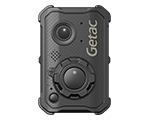
The Wake County Sheriff’s Office implemented Getac BC-03 body-worn cameras to improve how deputies capture, manage, and review video evidence during patrol operations. The solution enables deputies to record incidents directly from the field while automatically uploading and integrating footage with the department’s existing video and dispatch systems.
Customer: Wake County Sheriff’s Office
Industry: Public Safety – Law Enforcement
Solution: Getac BC-03 Body-Worn Cameras
Primary Use Case: Capturing and managing video evidence during patrol operations
Key Result: Faster investigations, improved evidence accuracy, and reduced administrative workload
The implementation modernized the agency’s evidence workflow by replacing manual processes with automated video capture, upload, and management capabilities. This streamlined approach improved operational efficiency and strengthened the department’s ability to document and review incidents.
How Do Deputies Use Body-Worn Cameras on Patrol?
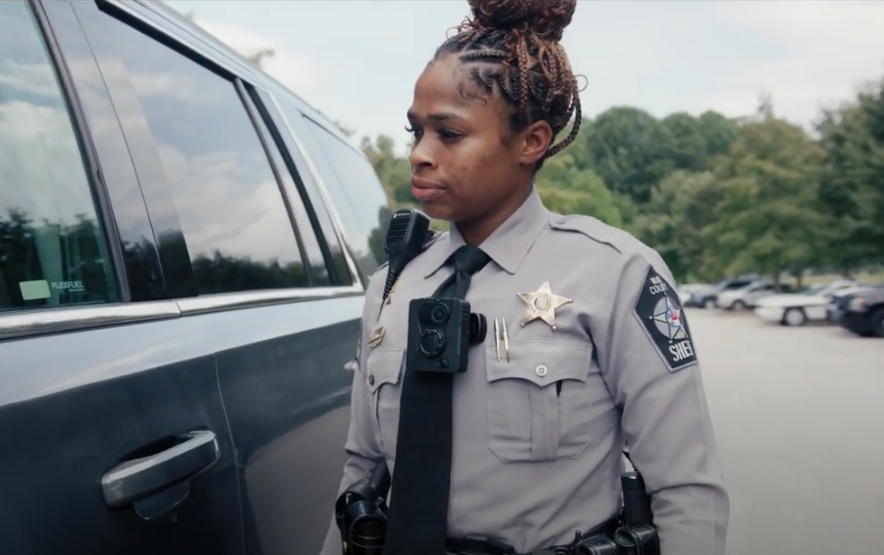
The Wake County Sheriff’s Office uses body-worn camera technology to document interactions, incidents, and enforcement actions during patrol operations. Deputies can capture video evidence in real time while maintaining a clear and reliable record of events.
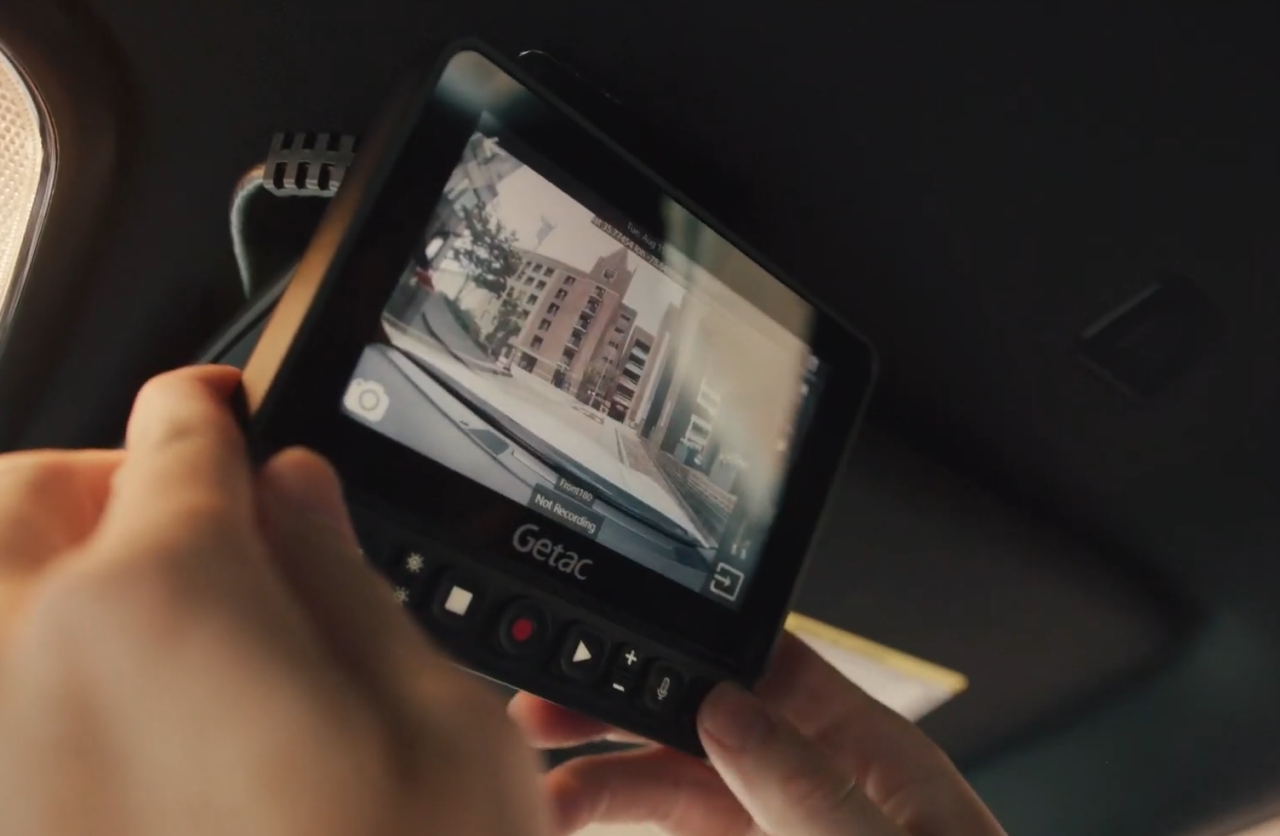
Integrated with existing in-car video systems and the department’s computer-aided dispatch platform, the Getac solution allows investigators and supervisors to quickly locate and review footage from incidents. This provides a more complete and accurate view of events and supports accountability, training, and operational transparency.
What Key Outcomes Did Wake County Achieve?
- Improved accuracy and completeness of incident evidence
- Faster investigations through immediate access to recorded footage
- Reduced administrative workload related to managing video evidence
- Decline in reported officer injuries and use-of-force incidents
- Lower operational costs for investigative processes
Who Is the Wake County Sheriff’s Office and What Does It Serve?
The Wake County Sheriff’s Office serves the unincorporated areas of Wake County, North Carolina, providing law enforcement, detention, and judicial services to protect and preserve the constitutional rights of residents and visitors. The agency maintains high standards of accountability, transparency, and professionalism in its operations.
Technology plays a critical role in supporting these objectives. The department continually evaluates new tools that can improve operational efficiency, evidence collection, and officer safety.
To modernize its evidence management capabilities, the Sheriff’s Office implemented Getac body-worn cameras integrated with existing in-car video systems and backend infrastructure. This deployment enables deputies and investigators to access accurate video evidence during investigations and operational reviews.
What Challenges Was Wake County Facing With Its Body-Worn Cameras?
The Wake County Sheriff’s Office needed to modernize its body-worn camera technology to support evolving law enforcement requirements.
Key operational challenges included:
- Outdated body-worn camera technology that lacked compatibility with current operating systems
- Manual workflows requiring officers to download video footage after shifts
- Delayed investigations caused by time-consuming evidence transfer processes
- Limited ability to quickly access or share recorded video evidence
Deputies also required a camera solution that was lightweight, easy to use, and rugged enough to withstand long patrol shifts and challenging field conditions. The system needed to integrate seamlessly with the department’s existing in-car video systems, CAD platform, and backend data infrastructure.
How Did Getac Solve Wake County’s Evidence Workflow Problems?
To address these challenges, the Wake County Sheriff’s Office deployed Getac BC-03 body-worn cameras as part of a modernized video evidence system. The video solution integrates body-worn cameras with the department’s existing in-car video platform and backend infrastructure, enabling deputies to capture and manage video evidence efficiently.
Key capabilities include:
- Lightweight and ergonomic camera design for extended daily use
- Integration with in-car video systems and computer-aided dispatch software
- Automated uploading and management of video footage from the field
- Rugged hardware designed to withstand demanding patrol environments
The deployment was conducted in collaboration with GovDirect, a long-time technology partner that helped manage the evaluation and testing process across multiple vendor solutions.
What Results Did Wake County Achieve With the Getac BC-03?
The implementation of Getac body-worn cameras significantly improved evidence management and investigative workflows for the Wake County Sheriff’s Office.
Key results include:
- More accurate documentation of incidents and interactions in the field
- Improved credibility of evidence and witness testimonies
- Faster access to recorded footage during investigations
- Reduced time and cost associated with evidence processing
- Improved officer safety and decreased use-of-force incidents
The integrated system allows investigators and supervisors to quickly access both body-worn camera footage and in-car video recordings associated with a call for service.
Why Is Video Reliability Critical in Patrol Environments?
The Wake County Sheriff’s Office operates in demanding patrol environments where deputies must capture reliable video evidence during incidents, investigations, and public interactions. Body-worn camera technology must perform consistently to ensure critical events are recorded and accessible when needed.
After deploying the Getac BC-03 body-worn camera solution, deputies gained a more dependable system for capturing and managing video evidence in the field. The cameras integrate with existing in-car video systems and backend infrastructure, allowing investigators and supervisors to quickly locate and review footage associated with a call for service.
This improved reliability helps the department document incidents more accurately, streamline investigative workflows, and strengthen transparency in daily law enforcement operations.
What Did Wake County Say About Integrated Getac Video?
“The combination of using in-car video and body cameras helps answer any questions that occur on scene quickly and accurately.”
Wake County Sheriff’s Office
Integrated video technology allows investigators and supervisors to quickly review footage from incidents, helping ensure accurate documentation, improve investigative efficiency, and support transparency in law enforcement operations.
Frequently Asked Questions
What challenge was the Wake County Sheriff’s Office facing with its body-worn cameras?
Its existing cameras were outdated and no longer compatible with current operating systems. Deputies had to manually download footage after shifts, which delayed investigations and limited how quickly evidence could be accessed or shared.
What body-worn camera solution did the Wake County Sheriff’s Office deploy?
The agency deployed Getac BC-03 body-worn cameras integrated with its existing in-car video systems, computer-aided dispatch platform, and backend infrastructure.
How does the Getac BC-03 eliminate manual video downloads for deputies?
The BC-03 uploads footage automatically from the field rather than requiring deputies to dock and download at the end of a shift, removing the manual transfer step that was delaying investigations.
How does the Getac BC-03 integrate with in-car video and CAD systems?
BC-03 footage ties to the department’s existing in-car video platform and computer-aided dispatch software, so investigators and supervisors can pull both body-worn and in-car recordings associated with a single call for service.
What results did the Wake County Sheriff’s Office see after deploying the Getac BC-03?
The agency reported more accurate incident documentation, improved evidence credibility, faster access to footage during investigations, reduced evidence processing time and cost, and a decline in reported officer injuries and use-of-force incidents.
Is the Getac BC-03 built for full-shift patrol use?
Yes. Deputies required a camera that was lightweight, easy to operate, and rugged enough to hold up across long patrol shifts and demanding field conditions, which is what the BC-03 was selected to deliver.
Who supported the Wake County BC-03 deployment?
The deployment was carried out with GovDirect, a long-time technology partner that managed the evaluation and testing process across multiple vendor solutions before the agency selected Getac.
How do body-worn cameras improve law enforcement investigations?
Body-worn cameras give investigators clear video evidence that helps reconstruct incidents and verify witness statements, improving both the accuracy and the speed of investigative review.
Download the Full Case Study
Learn how the Wake County Sheriff’s Office improved evidence collection, investigative accuracy, and operational transparency by deploying Getac BC-03 body-worn cameras integrated with in-car video systems. Download the full case study to see how modern video technology helps law enforcement agencies capture reliable evidence and streamline investigative workflows.
Explore the Technology Powering Wake County’s Video Evidence System
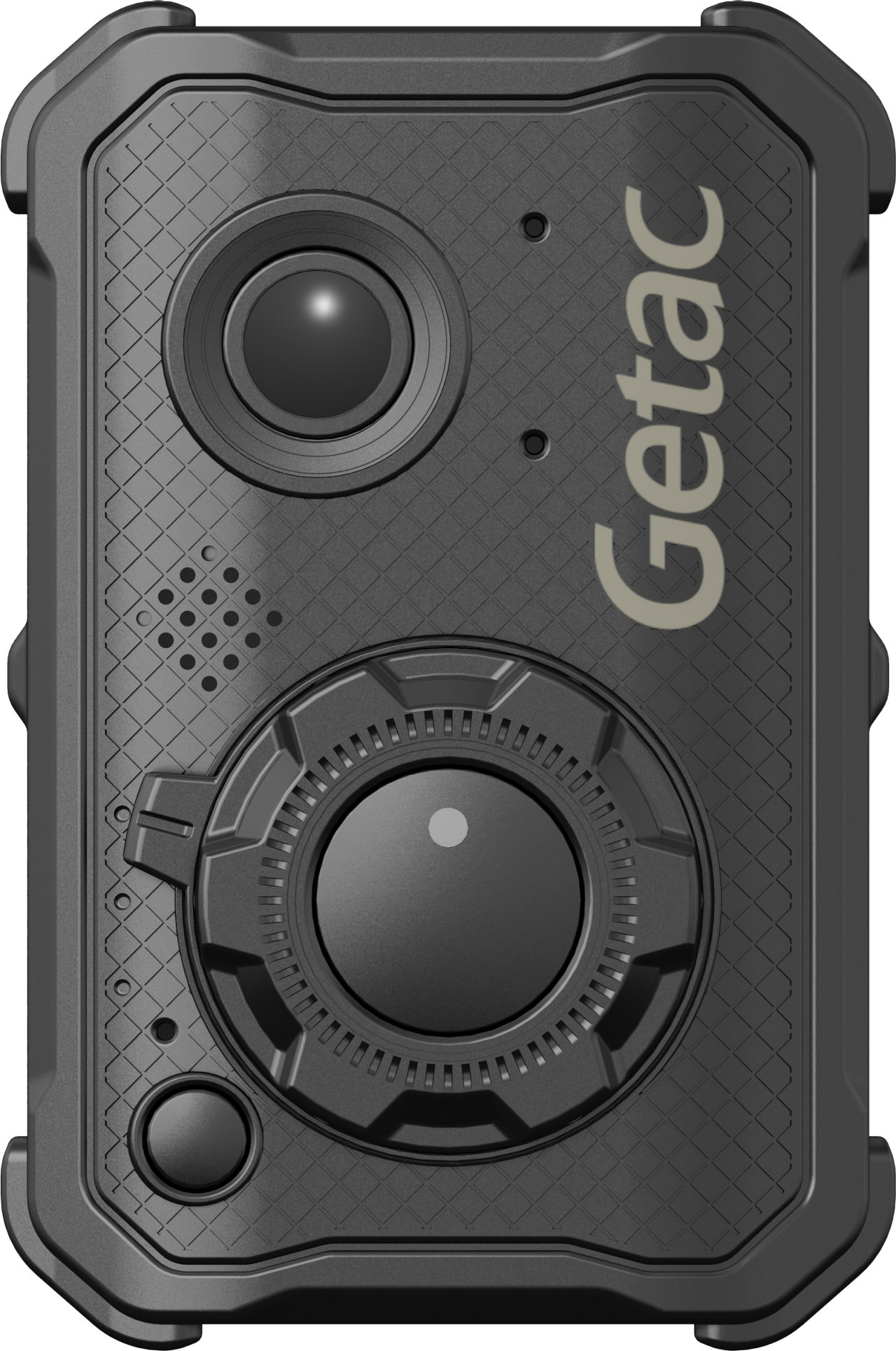
Getac Video Solutions
Getac video solutions combine body-worn cameras, in-car video systems, and integrated evidence management to help law enforcement agencies capture reliable footage, streamline investigations, and improve operational transparency.