













06 Apr 2026
GETAC USE CASE
How Port Operations Teams Accelerate Container Movement with Getac F110 Fully Rugged Tablets
Port operators managing high-volume container environments rely on rugged mobile computers to support terminal operations teams working in demanding outdoor conditions.
In this deployment, a major U.S. port equipped field teams with Getac F110 fully rugged tablets to access Terminal Operating System (TOS) data, track container movement, and manage cargo operations efficiently across yard environments and Rubber Tyred Gantry crane workflows.

Port Container Operations Use Case Summary
A major U.S. port deployed Getac F110 fully rugged tablets to support terminal operations teams managing container movement across high-volume yard environments. These rugged tablets enable port workers to access Terminal Operating System (TOS) data, track container positions, manage terminal transactions, and coordinate cargo movement directly in the field.
- Customer: Major U.S. Port
- Industry: Transport & Logistics
- Solution: Getac F110 Fully Rugged Tablets
- Primary Use Case: Container operations and terminal workflow management
- Key Result: Reduced device failure rates, improved operational uptime, and increased container throughput.
How Did the Port Improve Container Throughput With the Getac F110?
The port improved container throughput and operational reliability by deploying Getac F110 fully rugged tablets to replace consumer-grade devices that failed in outdoor terminal environments.
With rugged mobile computing, terminal teams can access TOS data in real time, track container movement, execute transactions, and coordinate cargo workflows across the yard—eliminating downtime caused by device failure and enabling continuous execution of operations.
What Operational Requirements Do Port Terminal Teams Have?
Port operations teams manage container movement, execute transactions, and coordinate logistics workflows across complex yard environments involving thousands of daily truck movements and container transfers.
These workflows depend on continuous access to Terminal Operating Systems, which track container location, validate transactions, and coordinate cargo movement across daily operations.
Using the Getac F110 fully rugged tablet, port teams manage critical workflows directly in the field, including:
- Tracking container movement in real time
- Executing terminal transactions and validations
- Coordinating yard logistics and cargo flow
- Maintaining visibility across container operations
Rugged mobile computing enables port teams to operate reliably in outdoor industrial environments where consumer-grade devices fail, ensuring uninterrupted execution of container workflows.
What Key Outcomes Did the Port Achieve?
Deployment of Getac F110 fully rugged tablets improved operational efficiency and reliability for terminal operations teams managing high-volume container workflows across yard environments.
Key outcomes included:
- Improved reliability of rugged mobile computing devices used by terminal operations teams
- Reduced device failure rates to near-zero, with only three repairs over a 24-month period
- Enabled port workers to track container movement, execute transactions, and coordinate cargo workflows directly from the yard
- Faster access to Terminal Operating System (TOS) data and real-time operational information
- Increased container throughput from approximately 3 million to 4 million units
- Improved productivity across daily operations involving approximately 14,000 truck movements and over 11,500 container transactions
What Was the Port's Mobile Computing Environment Before Getac?
The port operates a high-volume logistics environment with approximately 14,000 truck movements and over 11,500 container transactions per day, all coordinated through a Terminal Operating System.
Initial deployments of consumer-grade devices failed under the physical demands of port operations, resulting in repeated device failures, maintenance cycles, and workflow disruption.
The port required a mobile computing solution capable of:
- Supporting continuous outdoor use in industrial environments
- Providing reliable access to Terminal Operating System workflows
- Reducing device failure and maintenance cycles
- Enabling real-time execution of container operations
What Challenges Was the Port Facing With Its Field Devices?
Port operations teams rely on mobile computing to manage container movement, execute transactions, and maintain continuous access to Terminal Operating System (TOS) workflows across high-volume yard environments.
Prior to deploying rugged devices, the port experienced repeated failures with consumer-grade mobile devices that were not designed for continuous outdoor use, resulting in workflow disruption and operational inefficiencies across terminal operations.
Key challenges included:
- Frequent device failures caused by drops, weather exposure, and vibration in outdoor environments
- Cracked screens and hardware damage disrupting container workflows
- High repair and maintenance cycles impacting device availability
- Workflow interruptions when devices failed during active terminal operations
- Limited reliability of mobile computing across high-volume container environments
How Did Getac Solve the Port's Device Reliability Problems?
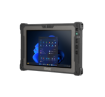
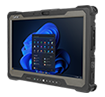
After evaluating rugged computing solutions, the port selected the Getac F110 fully rugged tablet for terminal operations. Certified to MIL-STD-810H and rated IP66, with a 6ft drop rating, the Getac F110 provides a durable and reliable platform designed for continuous outdoor use in port environments, enabling terminal teams to maintain access to TOS systems and execute workflows without interruption.
Key capabilities of the Getac F110 for port operations include:
- Sunlight-readable display for outdoor visibility
- MIL-STD-810H certification and IP66 rating, with a 6ft drop rating for drops, vibration, and weather exposure
- Performance and connectivity for real-time TOS access
- Mobile form factor optimized for field use
What Results Did the Port Achieve With the Getac F110?
The deployment of the Getac F110 improved operational reliability and performance across terminal operations.
- Eliminated repeated device failures that disrupted container workflows
- Enabled continuous execution of terminal operations without interruption
- Improved transaction processing and operational efficiency
- Supported increased container throughput across yard operations
- Reduced reliance on repair and replacement cycles
Why Is Device Reliability Critical in High-Volume Container Terminals?
Port operations depend on continuous execution of container workflows across complex, high-volume environments. Consumer-grade devices introduce failure points that disrupt cargo movement, delay transactions, and reduce operational efficiency.
Consumer-grade tablets and general-purpose rugged devices are not built for this. Rugged devices such as the Getac F110 are purpose-built for these environments, certified rather than just labeled durable, enabling reliable performance, continuous uptime, and consistent execution of Terminal Operating System workflows across daily operations.
What Did the Port Say About Deploying the Getac F110?
In port environments, device reliability directly impacts cargo throughput. When mobile computing fails, container movement slows, transactions are delayed, and operational efficiency declines across the yard.
By deploying rugged devices designed for continuous outdoor use, ports eliminate device-related disruptions and maintain operational continuity at scale.
"Greater stability, performance, and reliability of the Getac F110 ultimately sealed the deal for a full deployment across our entire operation."
- Chief Information Officer | Technology Division
Why Do Transport & Logistics Companies Choose Getac for Port and Terminal Operations?
Transport and logistics companies choose Getac because the F110 solves device reliability, outdoor visibility, and certified durability as one platform, the areas where consumer-grade and general-purpose rugged devices most often fail in port and yard environments.
- Verified durability, not marketing language: MIL-STD-810H certification and an IP66 rating, with a 6ft drop rating, mean the F110 is tested to survive drops, dust, and weather exposure, not just labeled rugged.
- Built for outdoor visibility: A sunlight-readable display keeps TOS data legible in direct yard sunlight, where consumer tablets wash out.
- Reliable connectivity for real-time TOS access: Performance and connectivity built for continuous, real-time access to Terminal Operating System workflows across the yard.
- One accountable platform: A single rugged device built for the job reduces the repair and replacement cycles that come with consumer-grade hardware.
For a port managing thousands of daily truck movements and container transactions, a device that holds up on every shift is what keeps throughput and the schedule intact.
Frequently Asked Questions
What challenge did the port face with its field technology?
The port experienced repeated failures with consumer-grade devices that disrupted container workflows and reduced operational efficiency.
Which Getac rugged tablet does the port use for Terminal Operating System access?
The port deployed the Getac F110 fully rugged tablet for terminal operations.
How much did container throughput increase after the port deployed the Getac F110?
The port reduced device failures to near-zero and increased container throughput from approximately 3 million to 4 million units.
What certifications does the Getac F110 carry?
The Getac F110 is certified to MIL-STD-810H and rated IP66, with a 6ft drop rating, so it holds up to the drops, dust, and weather exposure common in port yard environments.
What does the F110’s sunlight-readable display solve for port teams?
Its sunlight-readable display keeps TOS data legible in direct outdoor yard light, where standard consumer tablet screens wash out and become difficult to read.
Does the Getac F110 support Rubber Tyred Gantry (RTG) crane workflows?
Yes. Terminal teams use the F110 to manage cargo operations across yard environments and RTG crane workflows as part of daily terminal operations.
How Does the Getac F110 Improve Container Throughput by Solving Device Reliability?
In a Terminal Operating System environment, every container move depends on a worker having real-time data in hand. When a device fails mid-shift, that worker stops moving containers until it is replaced or repaired, and the delay cascades into longer truck queues and slower yard cycle time. Since deploying the Getac F110, the port’s failure rate has dropped to three repairs over 24 months, and container throughput has increased from approximately 3 million to 4 million units.
How does the F110 fit into the port’s existing Terminal Operating System without a separate integration project?
The F110 runs the port’s existing TOS software directly, serving as a rugged hardware replacement for the consumer-grade tablets that were failing rather than a new software platform. Terminal teams kept the same TOS workflows, so the rollout required no retraining on new software and no disruption to established yard procedures.
What Makes the Getac F110 Different From a General Industrial Tablet for Port Use?
A general industrial tablet is built for typical warehouse or manufacturing conditions. A port yard adds constant direct sun exposure, salt air, vibration from heavy equipment, and drops from height onto concrete or steel. The Getac F110 is certified under MIL-STD-810H and IP66, including a 6ft drop rating, specifically for these conditions.
Learn More About The Getac F110
Port Management
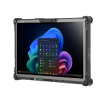
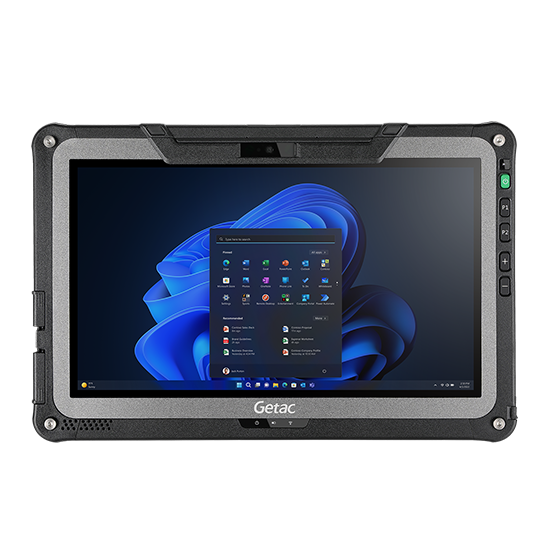
Learn more about the Getac F110 fully rugged tablet built for port operations teams managing container movement and terminal workflows in outdoor environments.
The F110 enables workers to access Terminal Operating System (TOS) data, track containers, execute transactions, and coordinate cargo operations in real time, supporting continuous performance across demanding yard environments.