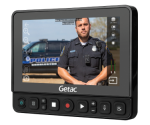
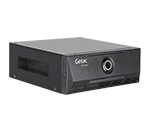



















GETAC USE CASE
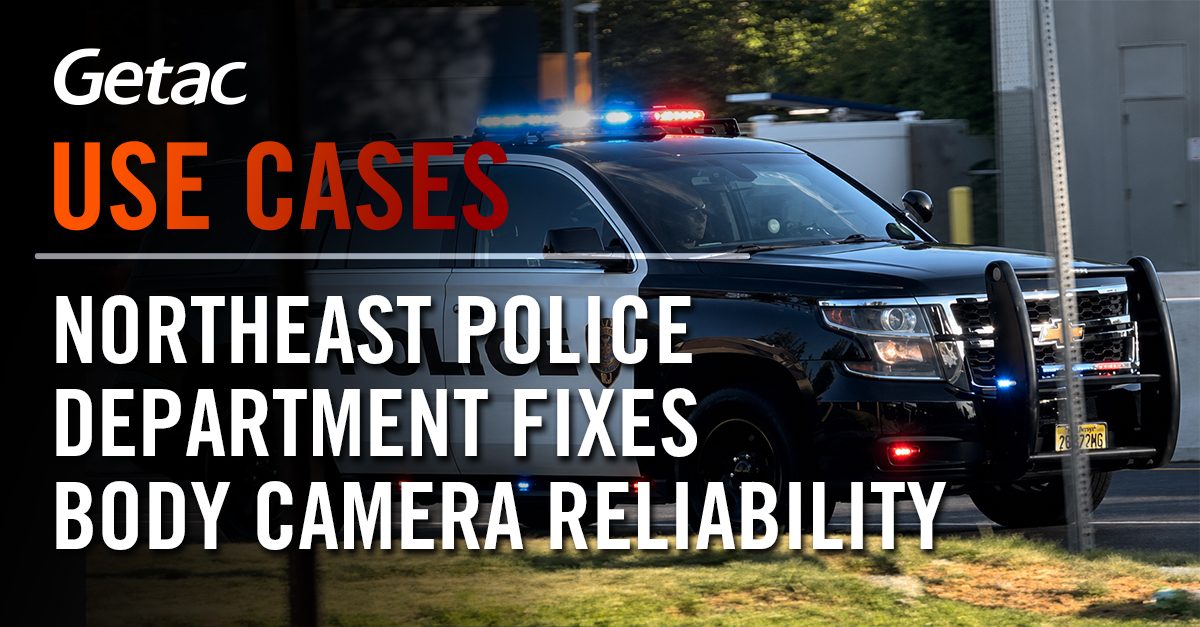
How a Northeast Municipal Police Department Fixed Body Camera Reliability with Getac Video Solutions
A Northeast municipal police department switched to Getac Video Solutions because its previous body-worn cameras failed constantly. Cameras froze mid-incident. Batteries died before end of watch. Support tickets sat for days and came back unresolved. Redaction ran so slow that every discovery and FOIA request turned into overtime, again and again.
For a force of roughly 100 sworn officers serving 60,000 residents, a system that fails that consistently is not an inconvenience. It is a standing liability, and it shows up on the calls that matter most. So they made the call to switch.
With Getac, the recording no longer freezes. Batteries last a full shift. Support answers and follows through. Redaction clears in a fraction of the time. Body-worn and in-car video on one platform, from one vendor, and a record the department can finally stand behind, from roll call to end of shift.
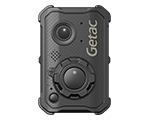
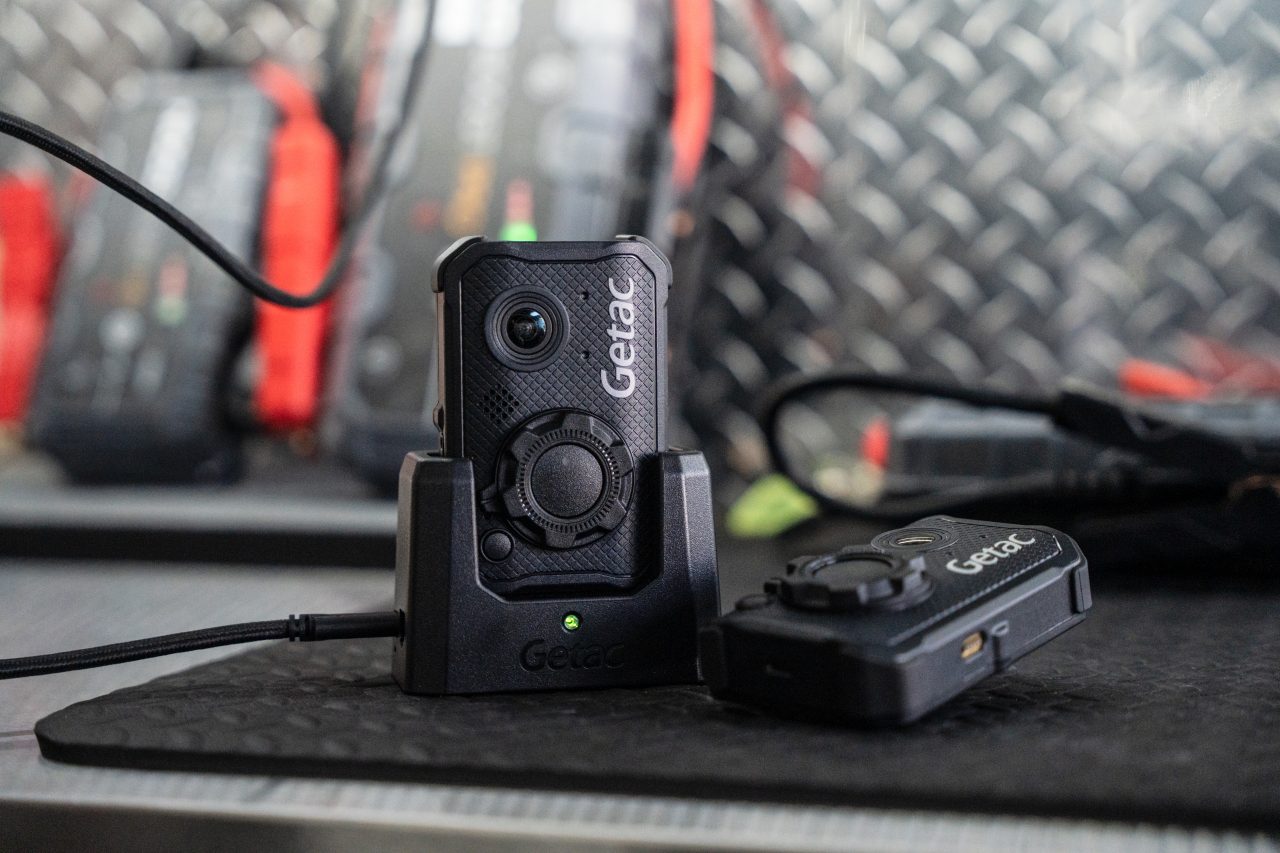
Getac BC-04 4K Body-Worn Cameras Use Case Summary
A Northeast municipal police department replaced a failing body-worn and in-car video system with Getac BC-04 4K body-worn cameras and a Gen3 in-car video solution, plus Getac Redaction. The result is a record officers trust, support that answers, and disclosure that no longer drains the team.
- Customer: Mid-size municipal police department, Northeast
- Industry: Public Safety / Law Enforcement
- Solution: Getac BC-04 4K body-worn cameras and Gen3 in-car video with Getac Redaction
- Primary Use Case: Documenting officer-citizen interactions for transparency, evidence, and accountability
- Key Result: Reliable full-shift recording, responsive support, and faster, more accurate redaction for discovery and FOIA, backed by a five-year warranty
Why Did the Department Replace Its Body Cameras for Getac's BC-04 4K?
Officers stopped trusting their old body cameras to work when a call went sideways, and command could not stand behind footage that might or might not exist. When the people wearing the gear stop believing in it, the program is already broken.
And the failures fed each other. A frozen recording is a hole in the evidence. A dead battery is a missed call. A slow redaction tool turns every FOIA request into overtime. Pile that on a department already under public scrutiny, and the equipment becomes the story instead of the work.
What Should Law Enforcement Agencies Require From a Video Evidence System?
Law enforcement agencies should require four things from a video evidence system: body-worn cameras that record continuously without freezing, batteries that last a full shift, responsive support that fixes a camera failure fast, and a redaction workflow that produces releasable video quickly. After its last system failed on all four, this department treated them as non-negotiable.
Day to day, the department needed to capture and manage:
- 4K body-worn footage of officer-citizen interactions that holds up as evidence
- In-car video of stops and field activity through a Gen3 mobile vehicle solution
- Redacted footage for discovery, FOIA, and internal review, turned around fast
- Recordings that support use-of-force review, training, and performance management
Key Outcomes
Switching to Getac ended the constant maintenance and gave the department video it could count on from roll call to end of shift. The four failures that defined the old system, freezing, dead batteries, slow support, and clunky redaction, were resolved at once on a single platform.
Key outcomes included:
- Continuous recording that holds through the critical moments that end up in court
- Batteries that last a full shift, including long, high-tempo days
- Responsive support with clear escalation and one accountable point of contact
- Faster, more accurate redaction that cut review time for discovery and FOIA
- Body-worn, in-car, and redaction unified on one platform instead of three systems
Overview: Getac Body-Worn and In-Car Video for Municipal Law Enforcement
This case study covers a Northeast municipal police department that deployed Getac body-worn cameras, in-car video, and redaction across its patrol operation to replace an unreliable legacy system. Its video program touches officers, command, the prosecutor's office, and the public, so unreliable equipment created risk at every level, from the evidence in a case to the department's standing with the community.
The department was not shopping for features. It needed to get out from under a maintenance burden that had become both a legal and a reputational risk.
The replacement had to:
- Record continuously through critical incidents without freezing
- Last a full patrol shift on a single charge
- Come with support that understands police work and responds fast
- Turn discovery and FOIA redaction from a grind into a workflow
- Cover body-worn, in-car, and redaction as one solution
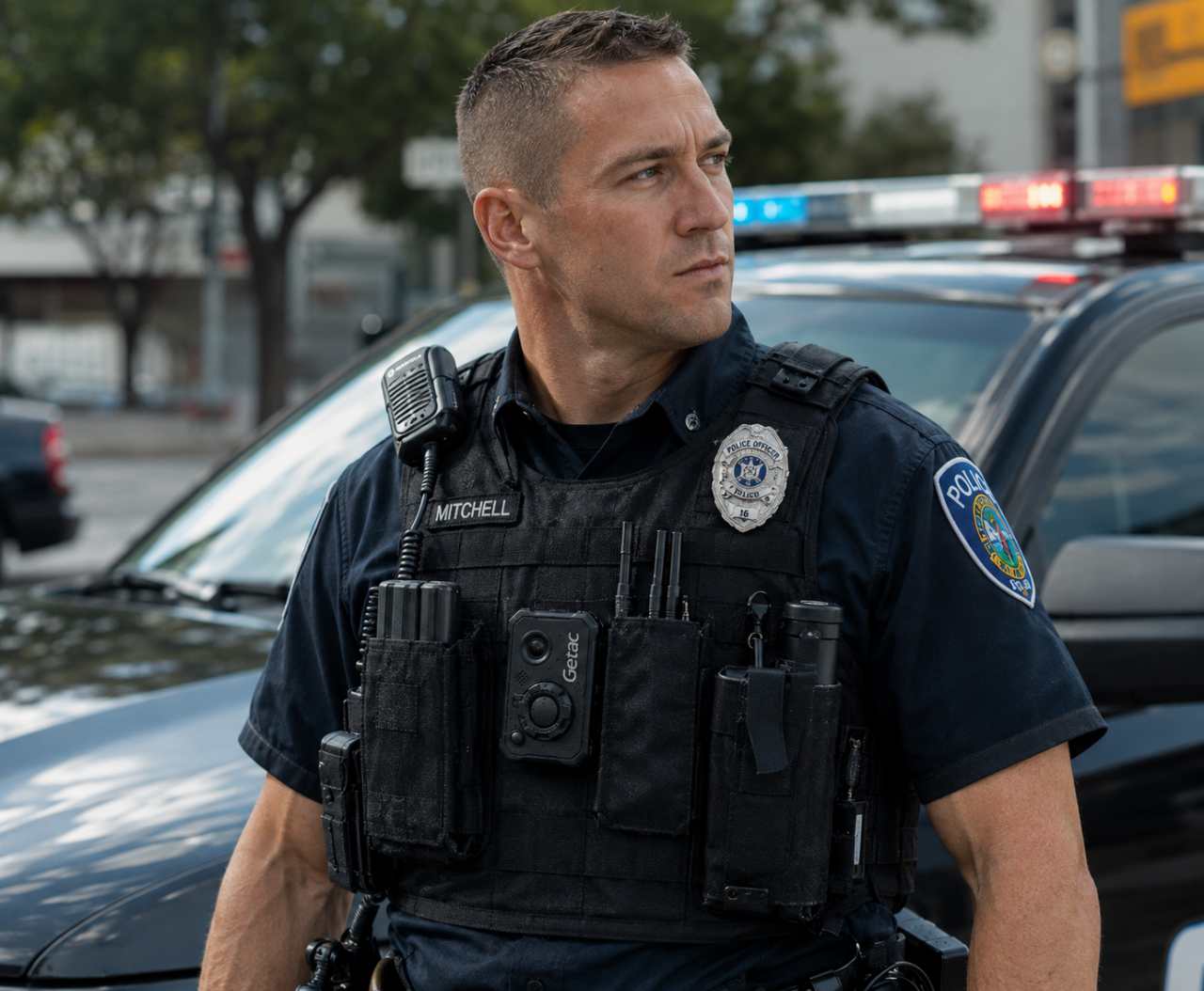
What Challenges Was the Department Facing With Its Body-Worn Cameras?
The department's previous body-worn camera system was failing in four critical areas at once: unreliable recording, slow support, poor redaction, and short battery life. Each failure fed the next, and together they put the department's evidence and credibility at risk.
The cameras buffered and froze during critical moments, creating gaps in footage and eroding the confidence of both officers and command staff. When problems came up, support was slow to respond: tickets lingered, the same issues repeated, and IT and command ended up maintaining the system themselves instead of trusting it. The redaction tools were slow, clunky, and inaccurate, which piled an administrative burden onto staff preparing video for discovery, FOIA, and internal review, and raised the risk of missing sensitive information. And the batteries could not last a full shift, especially on long or high-tempo days, leaving officers worried about power levels, missing recordings, and writing off the gear as not street ready.
None of this stayed contained to IT. It reached the evidence, the courtroom, and the public's willingness to believe the department had its house in order.
Key challenges included:
- Unreliable recording that buffered or froze during critical moments, creating gaps in footage
- Slow, unresponsive support, with tickets that lingered and problems that repeated
- Slow, clunky, inaccurate redaction that burdened discovery, FOIA, and internal review and risked missing sensitive information
- Battery life that could not survive a full or high-tempo shift, causing missed recordings
- Officer and command confidence eroding in a system that felt like it was not street ready
How Did Getac Solve the Department's Body-Worn and In-Car Video Problems?
Getac replaced the department's failing system with one integrated video solution: BC-04 4K body-worn cameras, a Gen3 in-car system, and Veritone-powered redaction on a single platform. Each capability answered a specific failure the department had been living with, rather than adding features it did not need.
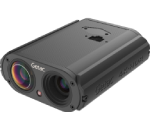
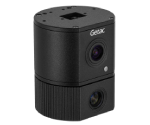
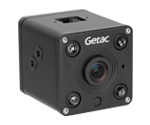
The BC-04 records in 4K, and its recording architecture is built to keep capturing when the old system would have frozen. Its power management carries a full shift. In the vehicles, the Gen3 system pairs an NH-42 front camera with a 146-IR rear camera, adding dual 4K front coverage with AI license plate recognition and infrared backseat visibility the old fleet never had. Getac's support model answers with people who know police work, and the redaction workflow, powered by Veritone, cut clicks and review time while improving accuracy for court and FOIA.
Key capabilities of Getac Video Solutions for law enforcement include:
- BC-04 4K body-worn cameras for high-detail documentation of officer-citizen interactions
- A Gen3 in-car video system with NH-42 front camera and 146-IR rear camera
- Dual 4K front coverage with AI license plate recognition and infrared backseat visibility
- Recording architecture built to capture continuously through critical moments
- A responsive support model with clear escalation, built for law enforcement
- Veritone-powered redaction that cuts review time and improves accuracy for discovery and FOIA
What Results Did the Department Achieve With Getac Video Solutions?
With Getac, the department restored reliable recording, eliminated mid-shift battery failures, closed its in-car visibility gaps, and cut redaction time, all on one platform backed by a single vendor. It went from a system it fought every shift to one it no longer has to think about.
Key results included:
- Reliable, continuous recording restored through critical incidents
- Cameras officers trust to last a full shift
- In-car visibility gaps closed with dual 4K front and infrared rear coverage
- Faster redaction with improved accuracy for discovery and FOIA
- One vendor accountable for the whole system, backed by a five-year warranty
Why Is Reliability the Most Important Feature in Police Video?
Reliability is the most important feature in police video because a body-worn or in-car camera only has value if it records when it matters, and a single failed recording can undermine a case, a use-of-force review, and public trust. That is why this department went from a system it fought every shift to one it no longer has to think about.
What reliable video delivered for the department:
- Reliable, continuous recording restored through critical incidents
- Cameras officers trust to last a full shift
- In-car visibility gaps closed with dual 4K front and infrared rear coverage
- Faster redaction with improved accuracy for discovery and FOIA
- One vendor accountable for the whole system, backed by a five-year warranty
Expert Insight: Why Is Reliable Body-Worn and In-Car Video Critical for Law Enforcement?
Video reliability matters in law enforcement because every police video program eventually gets tested by a single high-stakes incident, and a system that buffers, dies early, or bogs down in redaction fails in the most public way possible: in front of a courtroom and a camera crew, taking the department's credibility with it.
Fixing those failures at the source, from continuous capture to shift-long battery to fast disclosure, is what lets a department stop managing its equipment and start trusting it.
Why Do Law Enforcement Agencies Choose Getac for Video Solutions?
Law enforcement agencies choose Getac because it delivers reliable recording, responsive support, efficient redaction, and full-shift battery life as one accountable system, the four areas where legacy vendors most often fail. For a department replacing a system that let it down, Getac answered each problem directly instead of competing on a spec sheet.
What sets Getac apart for police video:
- Availability first: Getac's recording architecture minimizes buffering to keep capture continuous when it matters most.
- A true partnership support model: Responsive, knowledgeable, law-enforcement-savvy support with clear escalation and accountability, so the agency is not left alone when something breaks.
- Efficient, accurate redaction: The Getac redaction workflow, powered by Veritone, cuts review time and manual clicks and improves accuracy, which speeds court readiness and FOIA turnaround while easing staff workload.
- Built for a full shift and beyond: Hardware and power management designed for real patrol conditions, so officers trust the camera from roll call to end of shift.
One vendor stands behind all of it, backed by a five-year warranty. For a department that has to prove it can be trusted, that single line of accountability is the reason to switch.
Frequently Asked Questions
Why did the department replace its body-worn cameras instead of repairing them?
The failures were structural, not a bad batch. Freezing, dead batteries, slow support, and weak redaction all at once meant the system could not be trusted on a critical call, so the department replaced it rather than patched it.
What Getac video products did the department deploy?
BC-04 4K body-worn cameras and a Gen3 in-car system with an NH-42 front camera and a 146-IR rear camera, plus Getac Redaction, all on one evidence-management platform.
What does the Getac Gen3 in-car video system add?
The Gen3 system added dual 4K front coverage with AI license plate recognition and infrared backseat visibility, closing gaps the previous in-car setup left open.
How does Getac prevent body-worn camera freezing and battery failure?
The BC-04's recording architecture is built to capture continuously through critical moments, and its power management is built to last a full patrol shift.
How does Getac redaction speed up discovery and FOIA?
The Veritone-powered redaction workflow cuts manual clicks and review time while improving accuracy, which speeds discovery and FOIA turnaround and takes hours back from staff.
Why does law enforcement support matter for a body-worn camera program?
With the old system, slow support meant staff maintained the gear themselves. Getac answers with people who understand police work and escalates clearly when something breaks, so the agency is not left alone.
Learn More About Getac Video Solutions
Talk to Getac about building a body-worn and in-car video deployment with redaction for your agency. Learn more about Getac Video Solutions.
Learn More About The Getac BC-04 4K
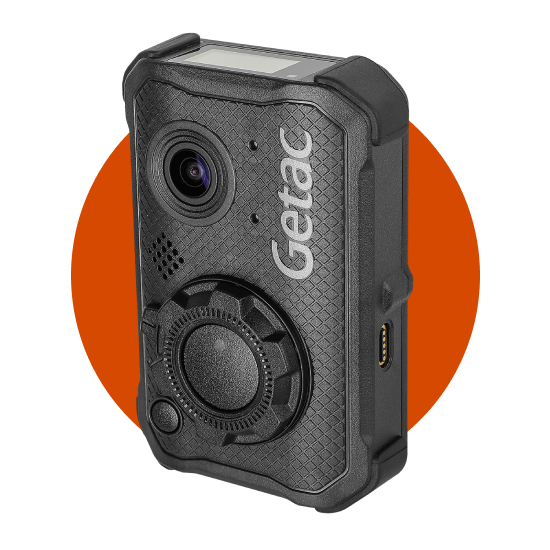
Getac body-worn cameras are built for law enforcement professionals who need equipment they can trust to document every second. Solutions that stay reliable shift after shift in conditions that are anything but predictable. Our focus is simple: provide high-resolution audio-visual recording that is reliable, clear, and consistent.