











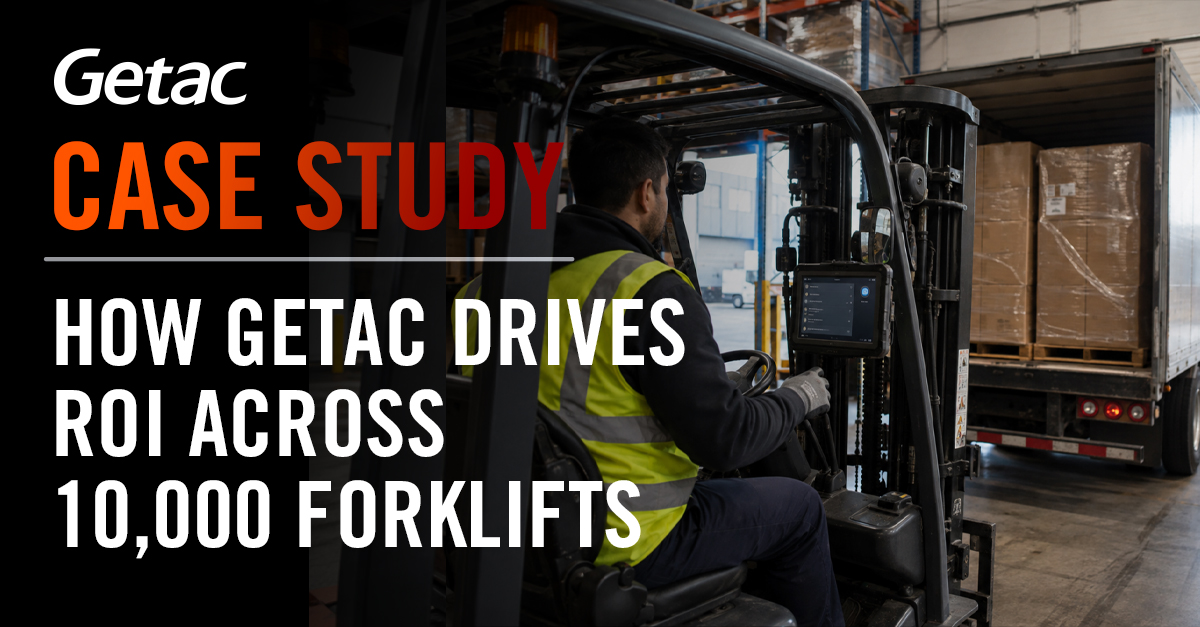
GETAC SUCCESS STORY
How a Nationwide LTL Freight Carrier Kept Material Handling Moving with the Getac ZX10 and RAM Mounts
Freight carriers running high-volume material handling depend on rugged mobile computers to keep forklifts loading, work tickets accurate, and billing clean across hundreds of terminals.
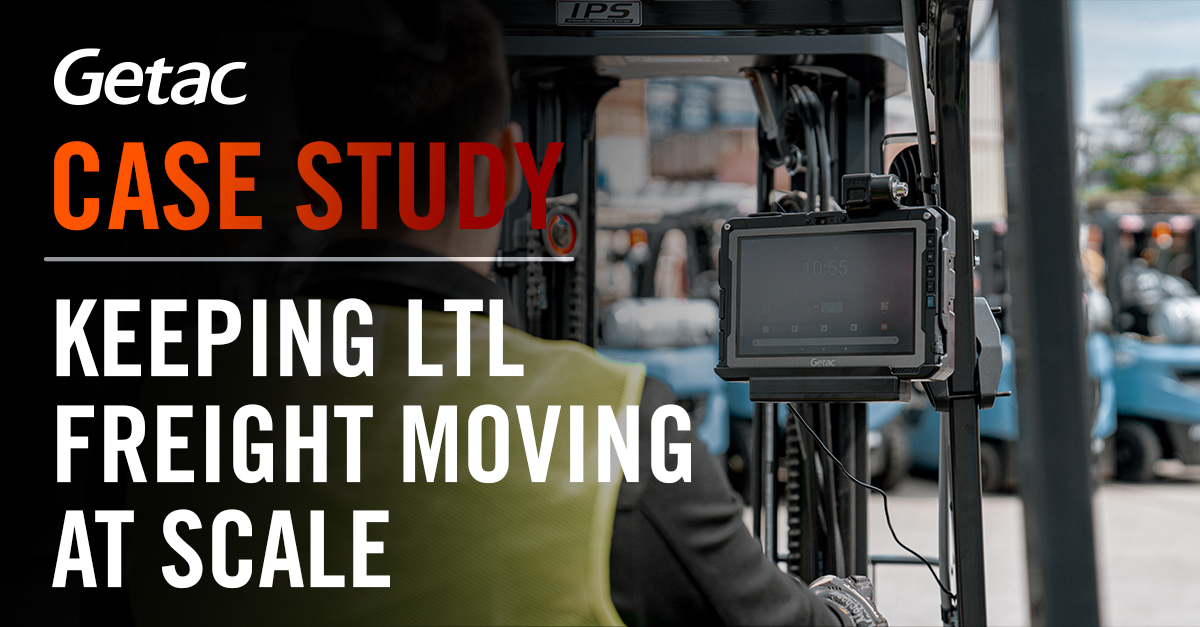
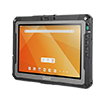
In this deployment, one of the largest less-than-truckload (LTL) carriers in the U.S. replaced fixed forklift computers with the Getac ZX10 fully rugged Android tablet in a customized RAM Mounts powered dock, giving operators a device that works mounted on the forklift and pulls off the second the equipment goes down.
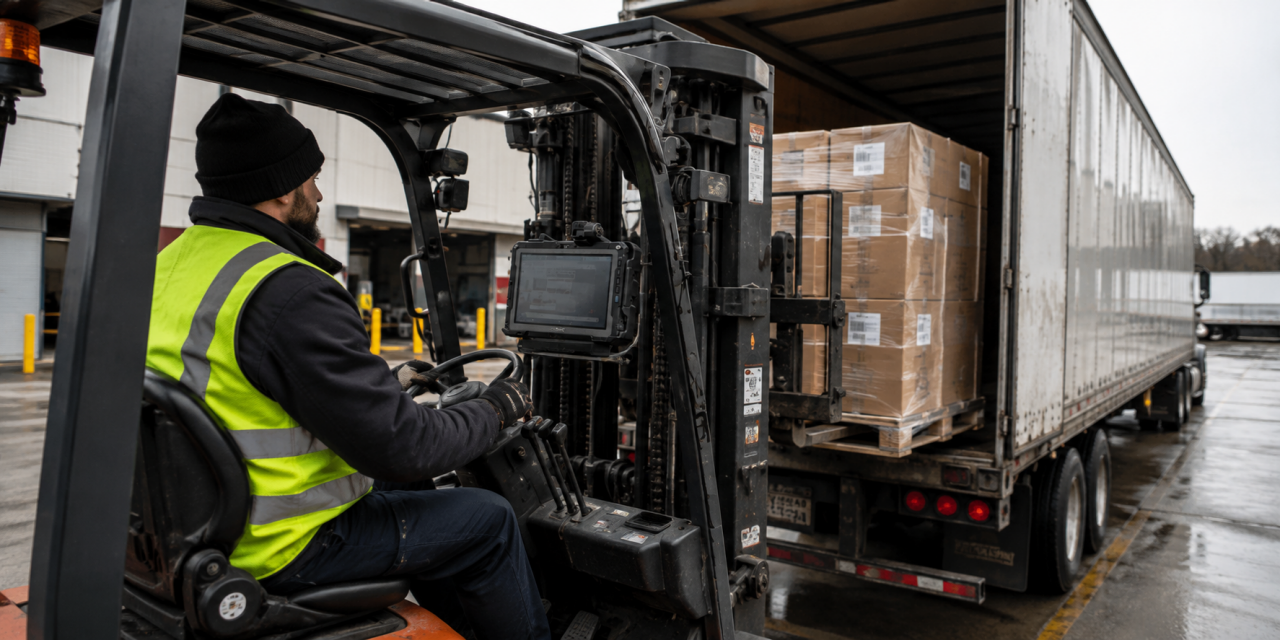
Material Handling Use Case Summary: Getac ZX10 and RAM Mounts
A nationwide LTL freight carrier deployed more than 3,000 Getac ZX10 fully rugged Android tablets to support material handling across more than 200 terminals. Each Getac ZX10 runs in a customized RAM Mounts powered dock wired into scales, RFID readers, and video systems, so operators can load, offload, and update work tickets in real time.
Customer: National LTL Freight Carrier
Industry: Transportation & Logistics / Material Handling
Solution: Getac ZX10 fully rugged Android tablet in a customized RAM Mounts powered dock
Primary Use Case: Forklift-based material handling and terminal work-ticket accuracy
Key Result: Removable Getac ZX10 tablets that no longer go out of service with the forklift, a Windows-to-Android migration projected to save $2 to 3 million, and cleaner ticket-to-billing accuracy across the network.
How Did the Carrier Keep Material Handling Running When Forklifts Went Down?
The carrier deployed the Getac ZX10 in a customized RAM Mounts powered dock that charges the tablet on the forklift and releases it on demand.
When a forklift goes out of service, the operator pulls the Getac ZX10 off the dock and keeps working, and IT can service the unit without taking the truck offline. Device availability is no longer tied to fleet availability, which is exactly where the old fixed computers cost them uptime.
What is a powered forklift dock?
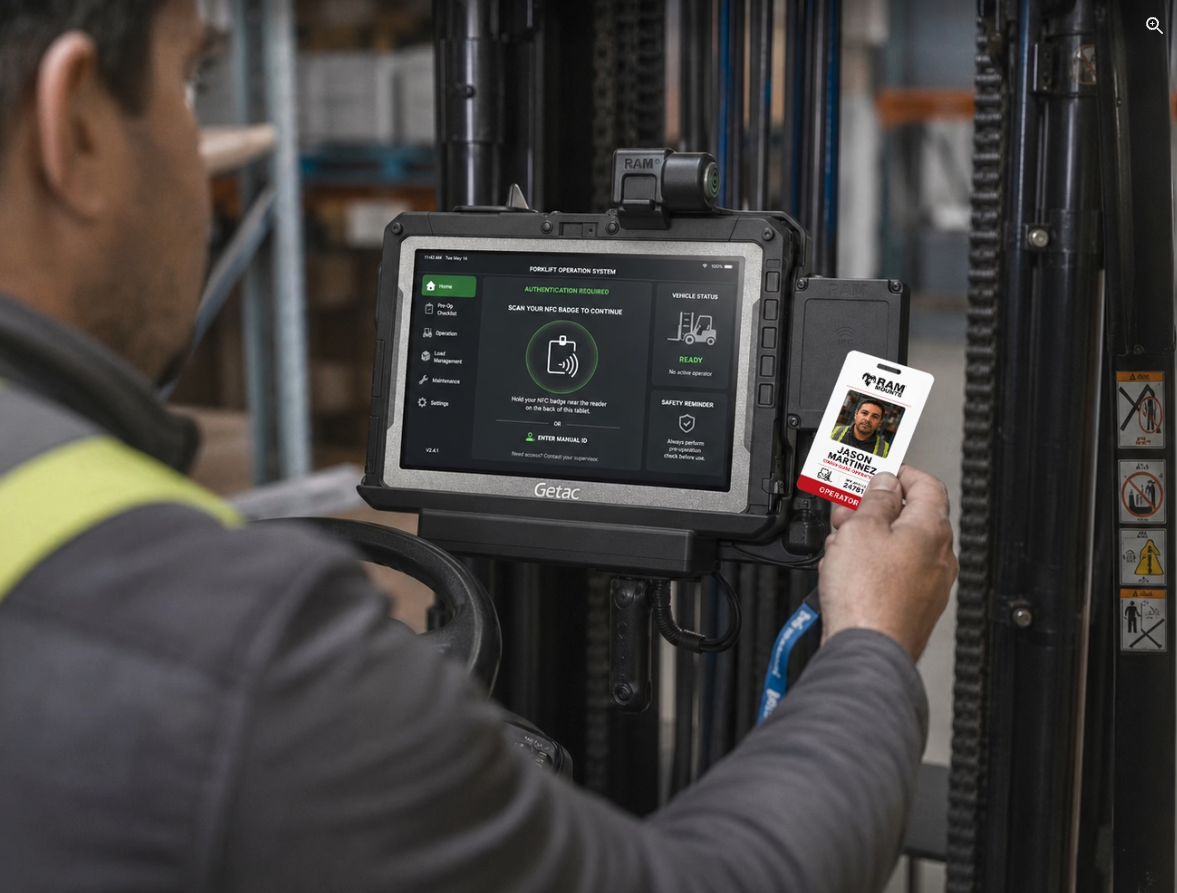
A powered forklift dock is a vehicle mount that holds a tablet in place on the equipment, charges it from the forklift's power, and releases it on demand. The customized RAM Mounts dock in this deployment was modified with extra I/O ports and peripheral connectivity, wiring each Getac ZX10 directly into scales, RFID readers, and video systems at the terminal.
What Do Terminal Teams Need a Forklift-Mounted Tablet to Do?
Terminal teams need one device that works mounted on the forklift and in the hand. Operators load and offload freight, update work tickets, scan and track shipments, and keep working when a forklift goes out of service.
Those teams move freight all day across a mixed fleet of forklift makes and models, updating work tickets at every step so billing comes out right. A wrong ticket becomes a wrong invoice, and at more than 200 distribution terminals those errors add up fast.
Using the Getac ZX10 in its customized RAM Mounts dock, terminal teams handle these workflows on the forklift and on foot:
Load and offload freight with the Getac ZX10 mounted in-vehicle on the RAM Mounts powered dock
Update work tickets in real time to protect billing accuracy at the loading dock
Scan and track freight through RFID and barcode capture
Connect to scales, RFID readers, and video systems through the powered dock's added I/O ports
Pull the Getac ZX10 off the RAM Mounts dock when a forklift is down or needs service
Key Outcomes: What Did the Getac ZX10 & Ram Mounts Deployment Deliver?
The deployment decoupled device availability from forklift availability across more than 200 terminals. The Windows-to-Android migration behind it is projected to save the carrier $2 to 3 million in operating and maintenance cost.
Standardizing on the Getac ZX10 in a customized RAM Mounts powered dock gave the carrier a material handling platform that holds up on the loading dock and stays available when the equipment does not.
Key outcomes included:
Operators keep working when a forklift goes down, because the Getac ZX10 detaches from its RAM Mounts dock instead of being bolted to the equipment
The Windows-to-Android migration is projected to save the carrier $2 to 3 million in operating and maintenance cost
Work-ticket-to-billing accuracy improved across more than 200 distribution terminals
The customized RAM Mounts dock mounts the Getac ZX10 reliably across a mixed fleet of forklift makes and models
IT configures more than 3,000 Getac ZX10 tablets centrally through OEMConfig and Getac device management software, without handling each unit
Overview: How Did a Nationwide LTL Carrier Modernize Forklift-Mounted Computing With Getac & Ram Mounts?
The carrier replaced fixed forklift computers with more than 3,000 Getac ZX10 fully rugged Android tablets in customized RAM Mounts powered docks across more than 200 terminals. The Getac ZX10 mounts on the forklift for vehicle-mounted work and detaches on demand, so a working device is never stranded on equipment that goes down.
Material handling at this scale runs on accuracy. Forklifts load and offload freight across every loading dock in the network, and work tickets feed straight into billing. At more than 200 distribution terminals, a wrong ticket becomes a wrong invoice, and accuracy at that volume is the difference between clean invoices and revenue leakage.
Two problems drove the project. The carrier's existing forklift computers were self-contained units permanently fixed to the equipment. The Windows fleet behind them carried operating and maintenance cost the company wanted out of.
The carrier required a mobile computing solution that could:
Mount cleanly across a mixed fleet of forklift makes and models, which the customized RAM Mounts dock delivered
Come off the mount on demand for equipment downtime and IT maintenance, which the removable Getac ZX10 enabled
Survive continuous loading dock use, drops, and handling, which the ZX10 meets with MIL-STD-810H and IP66 certification
Wire into terminal peripherals including scales, RFID readers, and video systems for freight scanning and tracking
Move material handling onto a lower-cost, easier-to-maintain Android platform
Challenge: Why Fixed Forklift Computers Can't Be Removed for Service
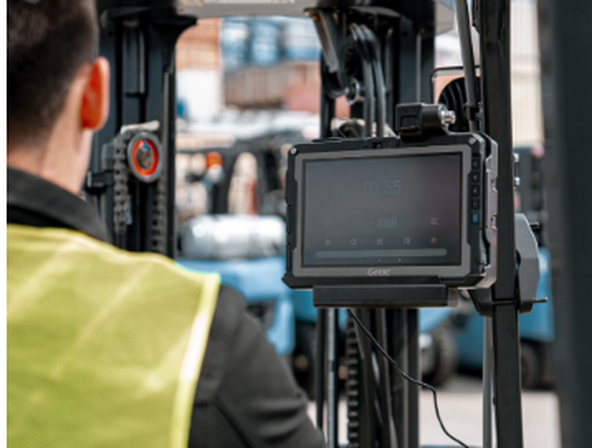
The carrier's forklift computers were self-contained units bolted to the equipment. They could not be pulled for maintenance or moved to another truck, so device availability was locked to fleet availability. Every forklift that went to the shop took a working computer with it, and IT had no way to service a unit without taking the truck offline.
That cost real productivity, because terminal teams depend on mobile computing to load freight, update work tickets, and keep billing accurate. Across more than 200 sites, a wrong ticket becomes a wrong invoice, and those errors compound faster than anyone can chase them.
Key challenges included:
Forklift computers were bolted to the equipment and could not be removed
A forklift out of service took a working device out of service with it
IT could not pull and service a unit without taking the whole truck offline
A Windows fleet carried operating and maintenance cost the carrier wanted out of
Forklift makes and models varied across terminals, so any mounting solution had to fit a mixed fleet
Solution: Why Did the Carrier Choose the Getac ZX10 Over Other Competitve Devices?
The carrier selected the Getac ZX10 fully rugged Android tablet after piloting it against Samsung and Zebra devices in its own terminals. The Getac ZX10 won on ruggedness in a live evaluation, not on a spec sheet, proving it could survive real loading dock conditions.
Each Getac ZX10 runs in a customized RAM Mounts powered dock modified with extra I/O ports and peripheral connectivity. That wiring connects the tablet directly to scales, RFID readers, and video systems at the terminal, charges it on the forklift, and releases it on demand, so a device is never trapped on a truck that goes down.
Key capabilities of the Getac ZX10 and RAM Mounts solution for material handling include:
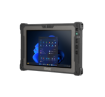
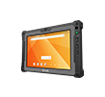
The 10.1-inch sunlight-readable LumiBond display and slim form factor mount cleanly across a mixed fleet of forklift makes and models
The Getac ZX10 is certified to MIL-STD-810H and IP66 with 6ft drop resistance for continuous loading dock use
A single-battery configuration is built specifically for forklift and vehicle mounting
Android Enterprise Recommended status carries security updates for five years
OEMConfig and Getac device management software configure the fleet centrally, without handling each unit
Integrated NFC and barcode capture supports freight scanning and tracking at the dock
Results: What Changed for Operators and IT After the Deployment?
Operators pull the Getac ZX10 off its RAM Mounts dock and keep working on foot when a forklift goes to the shop. IT services or swaps that unit without taking a truck offline, so a maintenance cycle no longer costs the terminal a working device.
Terminal teams keep loading, scanning, and updating work tickets during equipment downtime instead of waiting on a forklift
IT services or swaps a Getac ZX10 without pulling the forklift it was mounted on out of service
Each Getac ZX10 wires into scales, RFID readers, and video systems through the RAM Mounts dock, so weighing, scanning, and ticketing happen on one device
A three-year bumper-to-bumper warranty backs every unit across the deployment
Operational Reliability: Why Does Forklift-Mounted Computing Need a Rugged Tablet?
Forklift-mounted computing needs a rugged tablet because terminal work produces constant vibration, repeated drops, and continuous handling across a full shift. A device that fails in those conditions takes the operator's work ticket with it, and the ticket is what billing runs on.
The Getac ZX10 is built to MIL-STD-810H and IP66 standards with 6ft drop resistance, so it holds up under the drops, vibration, and handling that loading dock operations produce. The customized RAM Mounts dock carries the same duty cycle, because a mount that loosens on a forklift is its own failure mode.
Reliability in material handling is not only whether a device survives. It is whether the device is available when the operator needs it, which is why the ZX10 detaches from the dock rather than being fixed to the equipment.
Expert Insights: What Should You Evaluate Before Deploying Forklift-Mounted Computers?
Evaluate removability first. Most forklift computing decisions get made on display size and processor, but the question that determines uptime is whether the device comes off the mount when the equipment goes to the shop.
Four things are worth testing before a fleet-wide commitment:
Run the pilot in your own terminals. This carrier chose the Getac ZX10 over Samsung and Zebra on ruggedness in a live evaluation, not on published specifications
Check mounting against your actual fleet mix, not one representative forklift, because makes and models vary across terminals
Confirm the dock carries your peripherals. A powered dock modified with extra I/O ports is what wires a tablet into scales, RFID readers, and video systems
Price the operating system across the fleet life rather than the device. This carrier's Windows-to-Android migration is projected at $2 to 3 million in operating and maintenance savings
Frequently Asked Questions
Why do fixed forklift computers cause downtime?
A fixed forklift computer is bolted to the equipment and cannot be removed, so device availability is locked to fleet availability. When the forklift goes out of service the computer goes with it, and IT cannot service or swap the unit without taking the truck offline.
What rugged tablet do freight terminals use on forklifts?
One nationwide LTL freight carrier deployed more than 3,000 Getac ZX10 fully rugged Android tablets across more than 200 terminals, each running in a customized RAM Mounts powered dock that charges the tablet on the forklift and releases it on demand.
How do terminal teams use a forklift-mounted tablet?
Teams load and offload freight with the Getac ZX10 mounted on the forklift, update work tickets in real time to keep billing accurate, scan and track freight through RFID and barcode capture, and pull the tablet off the RAM Mounts dock when a forklift is down or needs service.
What can a Windows-to-Android migration save in material handling?
This carrier projects $2 to 3 million in operating and maintenance savings from moving its material handling fleet from Windows to Android across more than 3,000 devices. The Android fleet is configured centrally through OEMConfig and Getac device management software.
Why use a customized powered dock instead of a standard forklift mount?
A customized RAM Mounts powered dock can be modified with extra I/O ports and peripheral connectivity, which wires the tablet directly into scales, RFID readers, and video systems at the terminal. It also charges the tablet on the forklift, releases it on demand, and mounts across a mixed fleet of forklift makes and models.
How does the Getac ZX10 compare to Samsung and Zebra for forklift deployment?
This carrier piloted the Getac ZX10 against Samsung and Zebra devices in its own terminals before committing. The Getac ZX10 was the more rugged option in that live evaluation, and its 10.1-inch sunlight-readable display and slim form factor mounted cleanly across a mixed fleet of forklift makes and models.
Why do material handling operations need a rugged tablet instead of a consumer device?
Terminal and loading dock environments expose devices to drops, vibration, and continuous handling across a mixed forklift fleet, which a consumer tablet is not built to survive. The Getac ZX10 is certified to MIL-STD-810H and IP66 with 6ft drop resistance for continuous dock use.
Learn More About The Getac ZX10
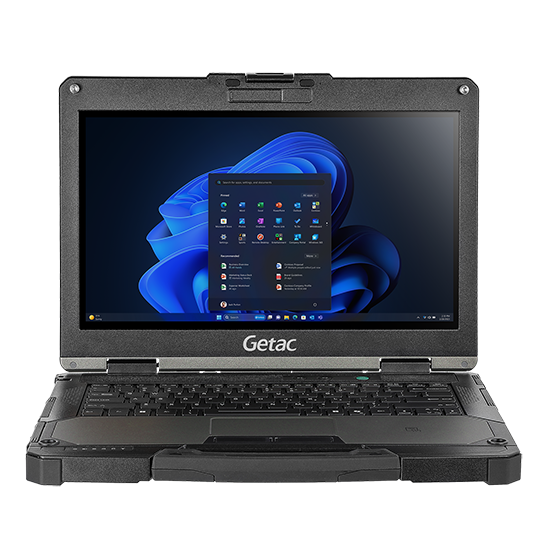
GETAC ZX10
Talk to Getac about building a material handling deployment around the Getac ZX10 fully rugged Android tablet and a customized RAM Mounts dock for your fleet.