

















GETAC USE CASE
How a Federal Defense Command Secured Tactical Radar Operations with the Getac B360 Pro G2
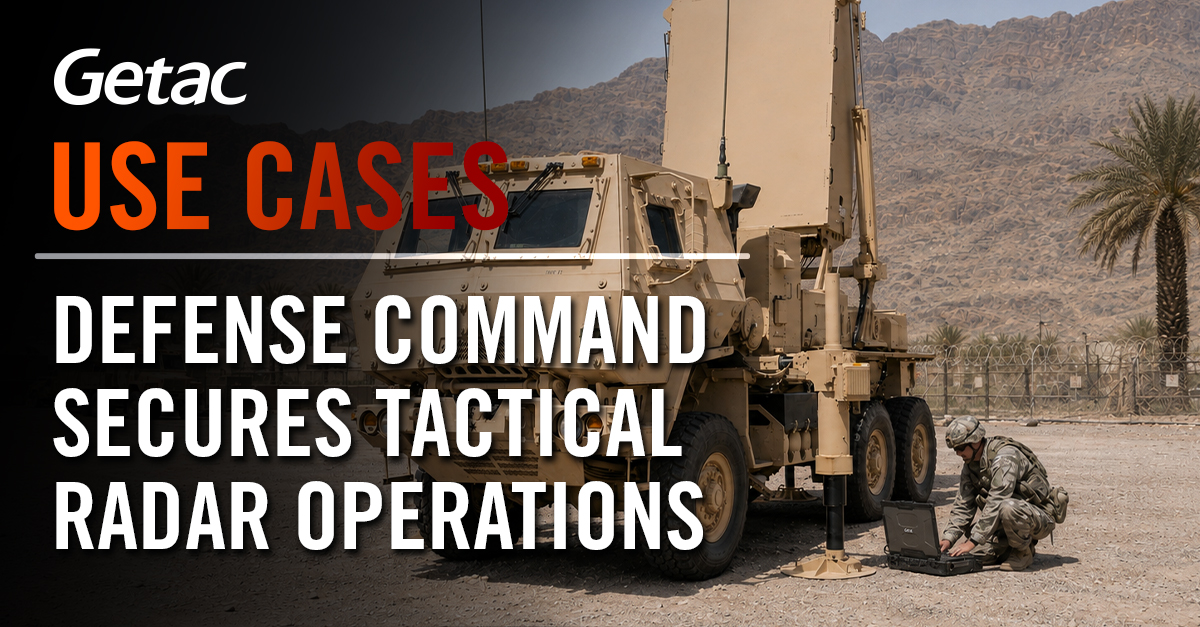
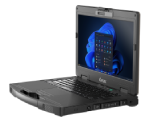
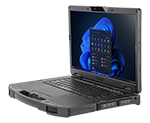
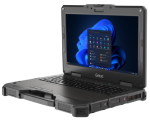
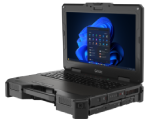
A federal defense command replaced failure-prone commercial laptops with the Getac B360 Pro G2 fully rugged laptop to move radar data securely between field systems and command units. The result: a 45% increase in mission data efficiency and uptime, with no wireless signal to expose.
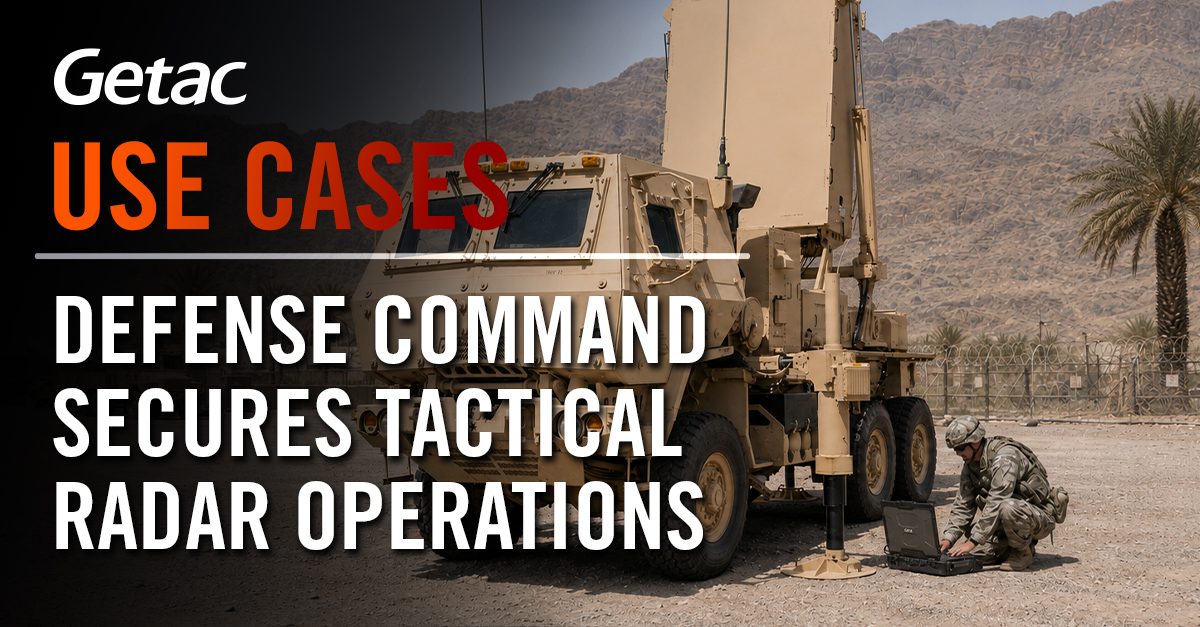
Field radar and expeditionary surveillance missions run in desert heat, coastal humidity, dust, and constant vibration. The Getac B360 Pro G2 delivered certified durability and hardline serial and Ethernet connectivity, so the command met its no-wireless security protocol without sacrificing speed or reliability.
What Is the Getac B360 Pro Rugged Laptop Used for in Defense Radar Operations?
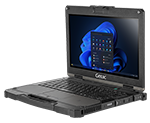
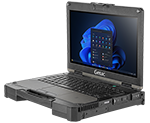
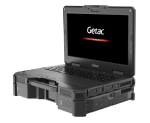
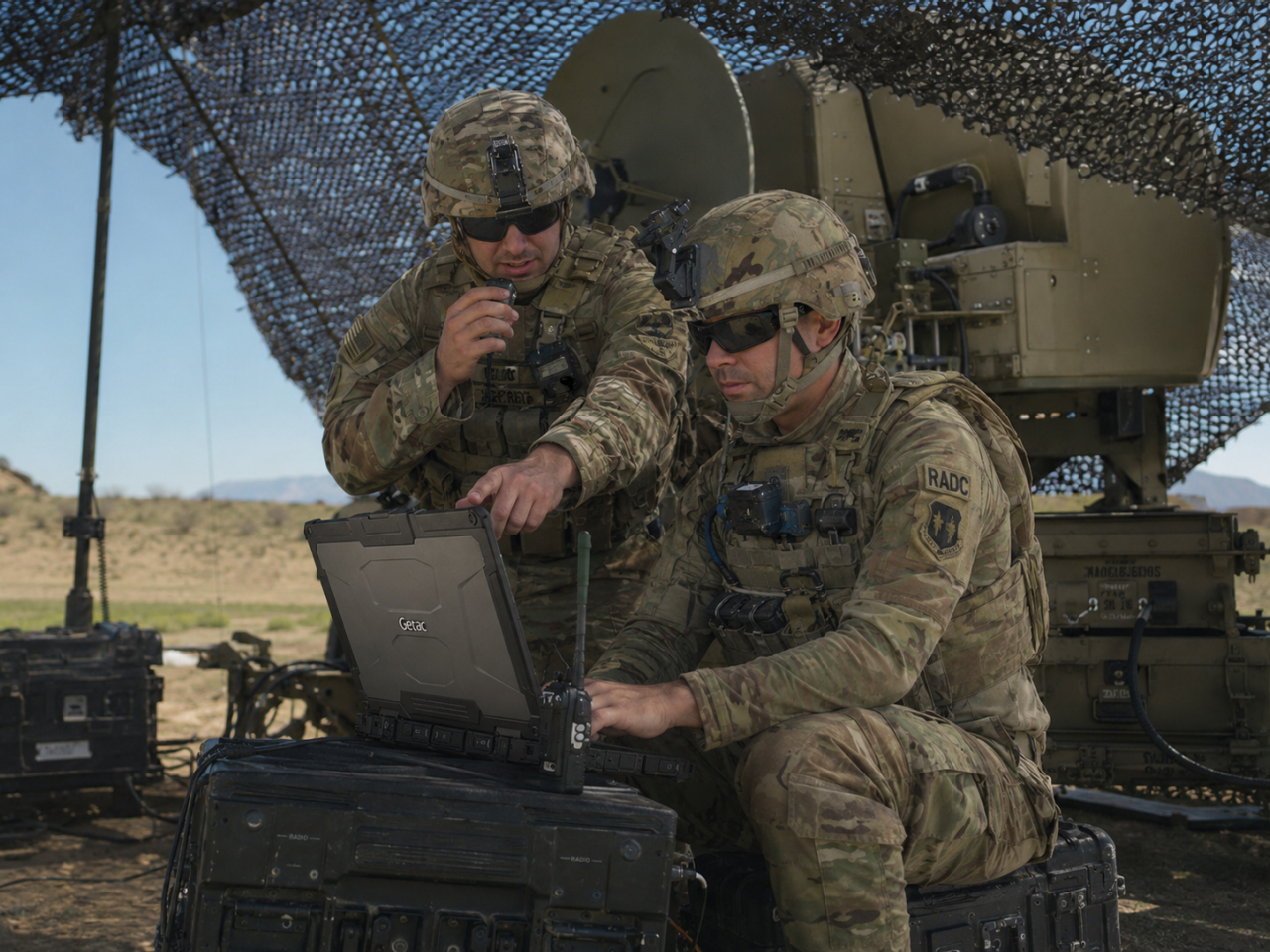
The Getac B360 Pro is a fully rugged laptop used by defense and tactical teams to transfer data between field radar systems and command units over secure hardline connections. A federal defense command responsible for field radar and expeditionary surveillance standardized on the Getac B360 Pro G2 to replace consumer-grade laptops that kept failing under environmental stress.
The Getac platform delivered secure serial and Ethernet connectivity and survived the heat, dust, and vibration that had been knocking its previous hardware offline.
- Customer: Federal defense command (field radar and expeditionary surveillance)
- Industry: Defense
- Solution: Getac B360 Pro G2 fully rugged laptop
- Primary Use Case: Secure hardline data transfer between field radar systems and command units
- Key Result: 45% increase in mission data efficiency and uptime
Why Did the Command Replace Its Existing Laptops with the Getac B360 Pro?
The command replaced its laptops with the Getac B360 Pro because consumer-grade hardware couldn't survive the field or meet its security rules. Temperature swings, vibration, and dust caused repeated failures, and each one interrupted mission-critical data capture between radar and command.
The old devices also lacked the interfaces for secure radar integration. With wireless prohibited to prevent detection, the command needed reliable serial and Ethernet ports for hardline data transfer, which the Getac B360 Pro G2 provides and consumer laptops don't.
What Does a Field Radar Computer Like the Getac B360 Pro Need to Survive Deployment?
A field radar computer has to move data securely, survive extreme environments, and be repairable in the field. The command defined those requirements before selecting the Getac B360 Pro.
Core requirements included:
- Hardline serial and Ethernet connectivity for secure, wireless-free data transfer
- Certified resistance to temperature extremes, dust, shock, and vibration
- Graphics and processing power for rapid radar data exchange
- Reliable operation across desert heat and coastal humidity
- Field-level repair capability to minimize mission downtime
- Compliance with strict operational security and electromagnetic standards
Anything short of a fully rugged, hardwired platform like the Getac B360 Pro G2 would have left the mission exposed to the same failures the command was trying to eliminate.
What Changed for Radar Crews in the Field?
Before the deployment, a failed laptop meant radar data capture stopped and command lost its picture of the field until the device was replaced. Crews planned around hardware they could not depend on.
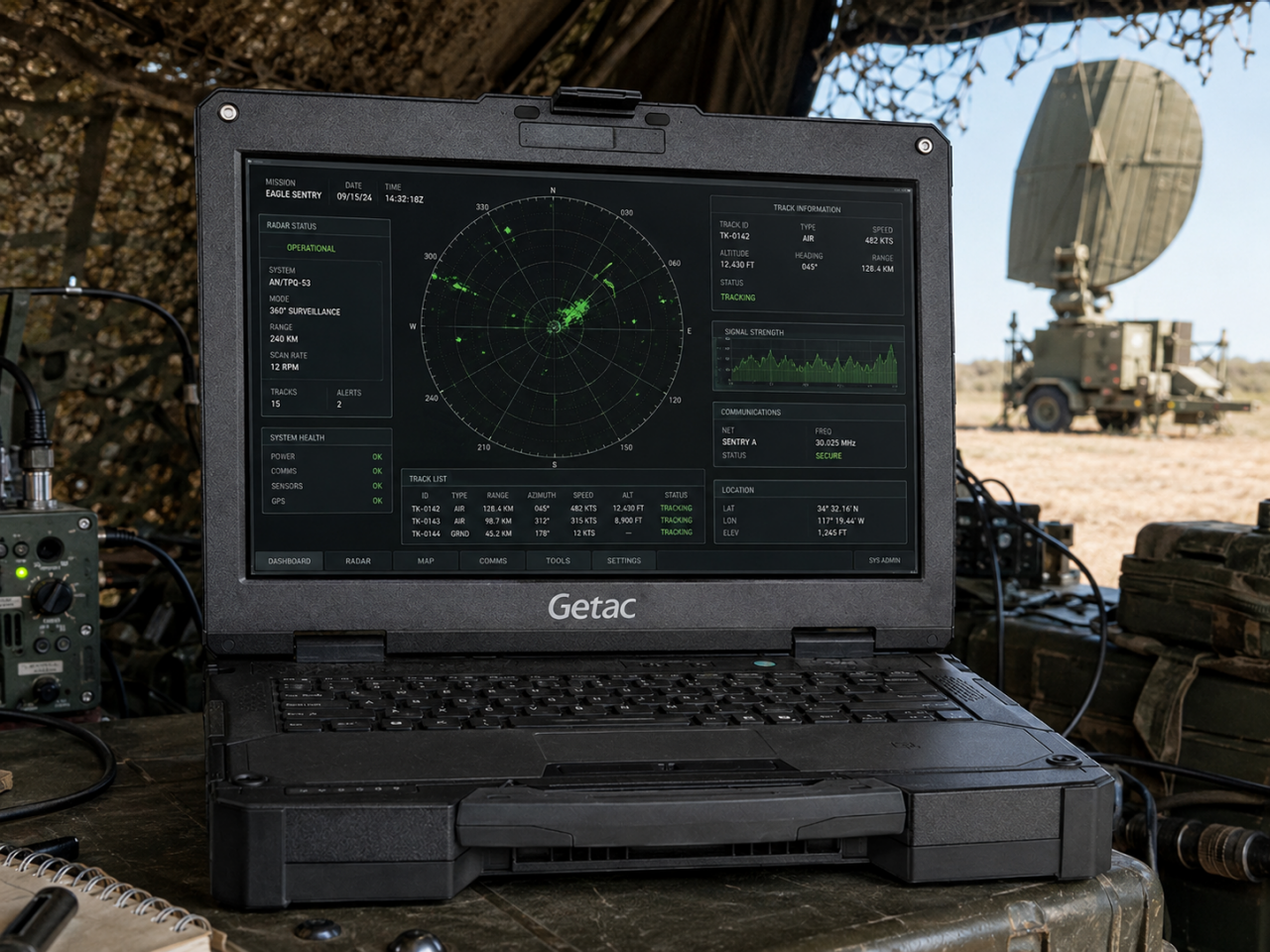
After standardizing on the Getac B360 Pro G2, crews moved radar data over hardline serial and Ethernet connections without a wireless signal to expose, and kept working through desert heat, coastal humidity, dust, and vibration that had previously knocked devices offline. When a unit did need service, the Getac Self-Maintainer Program let the team repair it at field level instead of shipping it out.
How Did the Command Evaluate Rugged Laptops Before Choosing Getac?
The command evaluated platforms against a single question: would the device still be working at the end of the mission? Its commercial laptops could not clear that bar, so it looked for hardware engineered for the mission rather than adapted to it.
That evaluation ruled out any platform depending on adapters or wireless to reach field systems, and any device without certified environmental resistance. The Getac B360 Pro G2 was selected because its serial and Ethernet interfaces and MIL-STD certifications were native to the platform, not bolted on.
What Was Failing Before the Command Deployed the Getac B360 Pro?
Before deploying the Getac B360 Pro G2, the command's laptops lacked the durability, connectivity, and interfaces required for secure radar integration. That gap put mission data at risk every time a device went into the field.
Consumer-grade hardware failed repeatedly under temperature, vibration, and dust exposure, interrupting data capture and communication. And because the command prohibited wireless connectivity to avoid detection, every device needed dependable hardline transfer through serial and Ethernet ports.
Key challenges included:
- Frequent field failures from heat, vibration, and dust exposure
- Missing serial and Ethernet interfaces for secure radar integration
- A strict no-wireless requirement that ruled out standard connectivity
- Interrupted data capture and communication between radar and command
- Downtime with no practical path to fast field repair
How Did the Getac B360 Pro Solve the Radar Data Transfer Problem?
Getac deployed the B360 Pro G2 fully rugged laptop, engineered for field-deployed radar and surveillance missions. It pairs a dedicated graphics card and Intel® Core™ processors with RJ45 and serial ports for rapid, secure data exchange between radar systems and laptops, with no wireless required.
Certified to MIL-STD-810H, MIL-STD-461G, and IP66, the Getac B360 Pro G2 withstands rain, dust, shock, vibration, and extreme temperature swings. Getac's 3-year bumper-to-bumper warranty and Self-Maintainer Program back it with high reliability and fast field-level repair.
Key capabilities delivered include:
- RJ45 and serial ports for secure, wireless-free radar data transfer
- Dedicated graphics and Intel® Core™ processors for rapid data exchange
- MIL-STD-810H, MIL-STD-461G, and IP66 certification
- Resistance to rain, dust, shock, vibration, and temperature extremes
- Getac 3-year bumper-to-bumper warranty and Self-Maintainer Program support
What Results Did the Getac B360 Pro G2 Deployment Produce?
With the Getac B360 Pro G2 in the field, the command gained measurable improvements in efficiency, survivability, and readiness.
- 45% increase in mission data efficiency and uptime
- Significant improvement in equipment survivability under extreme environmental stress
- Reduced downtime through field-level repair and extended warranty support
- Secure radar data transfer that held up to strict operational security protocols
How Does the Getac B360 Pro G2 Keep Defense and Tactical Teams Operational?
In tactical radar operations, the computer is part of the mission, not an accessory to it. When the hardware fails, data capture stops and command loses its picture of the field. The Getac B360 Pro G2 was built to keep that from happening.
By combining certified ruggedness, hardline connectivity, and field-level repair, the Getac platform gave the command something its old laptops never could: confidence that the equipment would still be working at the end of the mission, whatever the conditions threw at it.
What Do Defense Experts Look for in a Rugged Radar Laptop Like the Getac B360 Pro?
Defense radar and surveillance missions demand hardware that commercial devices were never designed to meet. Secure, wireless-free connectivity and certified environmental resistance decide whether the mission runs, and the Getac B360 Pro G2 was chosen because it delivers both.
A program manager on the federal defense side described the Getac platform as rugged, secure, and mission-ready, performing in the toughest conditions the field could produce.
Why Do Defense and Tactical Teams Choose the Getac B360 Pro G2 for Rugged Computing?
Defense and tactical teams choose Getac because its hardware is engineered rugged from the start, not a consumer device hardened after the fact. Certifications like MIL-STD-810H, MIL-STD-461G, and IP66 are proven on Getac equipment designed to survive shock, dust, vibration, and temperature extremes in real deployments.
Getac also solves the connectivity and security problem directly. The B360 Pro G2's built-in serial and Ethernet interfaces support secure hardline data transfer, so teams operating under no-wireless protocols keep full speed and reliability. That native interface set is a practical edge over general-purpose enterprise laptops that depend on adapters or wireless to connect to field systems.
Because Getac designs, builds, and supports its own rugged platforms, teams get a single-vendor ecosystem covering hardware, certification, warranty, and field repair through the Getac Self-Maintainer Program. Fewer handoffs, faster fixes, and one accountable partner for the whole deployment.
Frequently Asked Questions About The Getac B360 Pro For Defense & Tactical Teams
Why did the federal defense command choose the Getac B360 Pro?
The command chose the Getac B360 Pro because its consumer-grade laptops kept failing under heat, dust, and vibration and lacked the interfaces for secure radar integration. The B360 Pro delivered certified durability and hardline serial and Ethernet connectivity, which the mission required.
How did the Getac B360 Pro support secure data transfer without wireless?
The command prohibited wireless connectivity to prevent detection, so data moved over the Getac B360 Pro's RJ45 and serial ports. That hardline transfer let the team exchange radar data between systems and command units quickly and securely, with no signal to expose.
What durability standards did the Getac B360 Pro meet for this deployment?
The Getac B360 Pro is certified to MIL-STD-810H, MIL-STD-461G, and IP66, so it withstood the rain, dust, shock, vibration, and extreme temperature swings the command faced across desert and coastal environments.
What results did the command see after deploying the Getac B360 Pro?
The deployment produced a 45% increase in mission data efficiency and uptime, along with better equipment survivability under environmental stress and reduced downtime through field-level repair and warranty support.
How did Getac reduce downtime for the command in the field?
Getac backed the B360 Pro with a 3-year bumper-to-bumper warranty and the Self-Maintainer Program, which let the command repair devices at the field level and keep missions running with less downtime.
Could the Getac B360 Pro handle the command's radar and surveillance workloads?
Yes. The B360 Pro's Intel® Core™ processors and dedicated graphics card supported the rapid data exchange between radar systems and command units that the command's field radar and surveillance missions demanded.
Is the Getac B360 Pro suitable for other defense and tactical missions?
Yes. The same rugged construction, secure hardline connectivity, and certified environmental resistance that supported this radar deployment make the Getac B360 Pro well suited to other field-deployed defense, tactical, and expeditionary applications.
What Federal and Defense Solutions Does Getac Offer?
Getac builds fully rugged laptops and tablets, for federal and defense teams that operate where commercial hardware fails. The B360 Pro shown in this case study is one platform in a rugged lineup engineered for field radar, surveillance, command, and expeditionary missions. Because Getac designs, manufactures, and supports its own rugged platforms, federal buyers work with a single accountable vendor for hardware, certification, warranty, and repair. Talk to Getac to match the right rugged platform to your mission requirements.
Learn More About The Getac B360 Pro
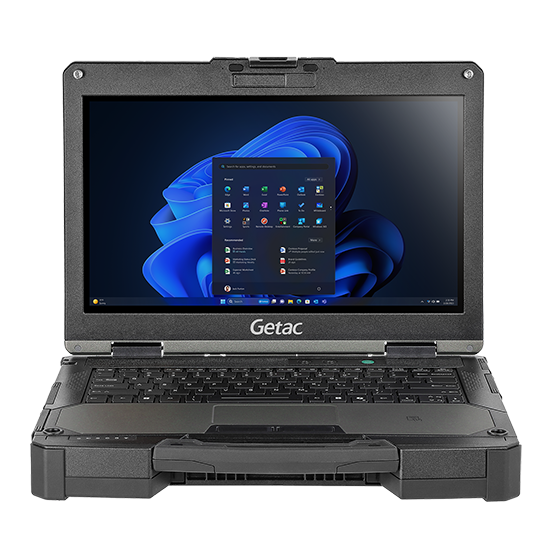
The Getac B360 Pro is a fully rugged laptop built for federal and defense teams operating where commercial hardware fails. Certified to MIL-STD-810H, MIL-STD-461G, and IP66, with built-in serial and Ethernet ports for secure hardline data transfer, it is engineered for field radar, surveillance, command, and expeditionary missions where wireless is not an option.