


















GETAC USE CASE
How a Tribal Police Department Earns Community Trust With Body-Worn Video From Getac
A small tribal police department in the Pacific Northwest uses Getac body-worn and in-car video to build community trust, strengthen evidence, and protect a lean force. A small group of sworn officers covers this reservation around the clock, seven days a week, cross-trained to run a traffic stop one hour and a fish and wildlife call the next. They answer to a Tribal Council, a tribal court, and a community where the person in the driver's seat is often someone they grew up with. On a force this small, there is no anonymous badge and no shift where the stakes drop.
Body-worn cameras are how a department like this proves what happened, protects its officers, and keeps faith with the people it serves. Getac gave it that record, tied to in-car video on one platform a lean team can actually run.
How Does a Tribal Police Department Use Getac Body-Worn Cameras?
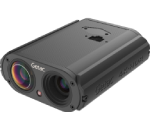
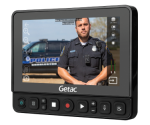
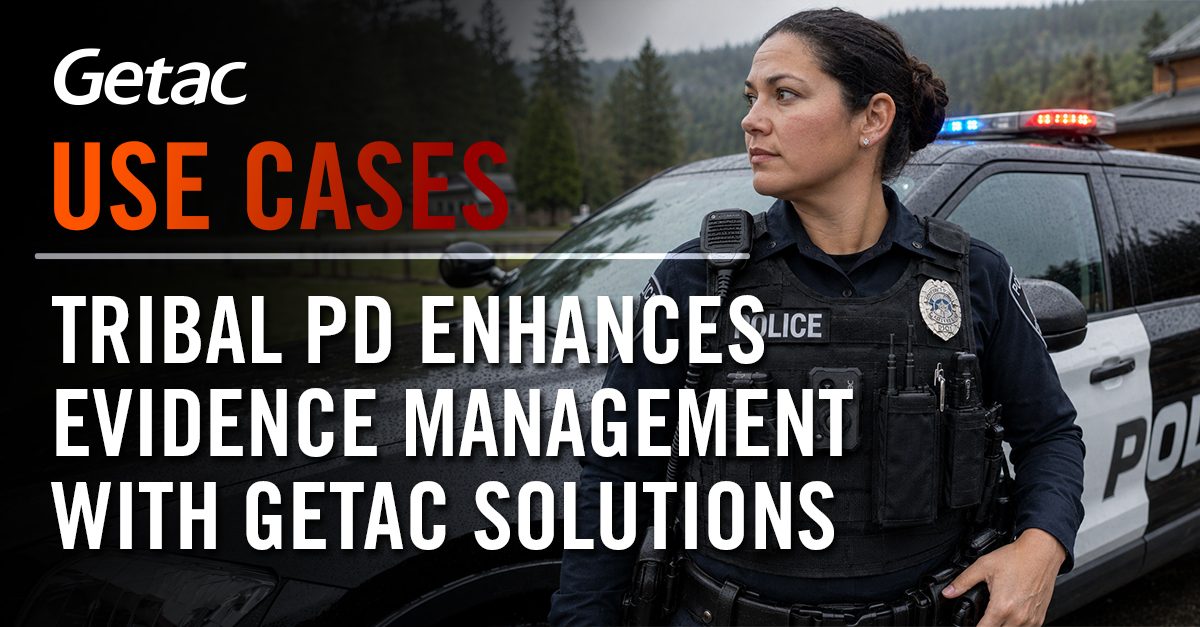
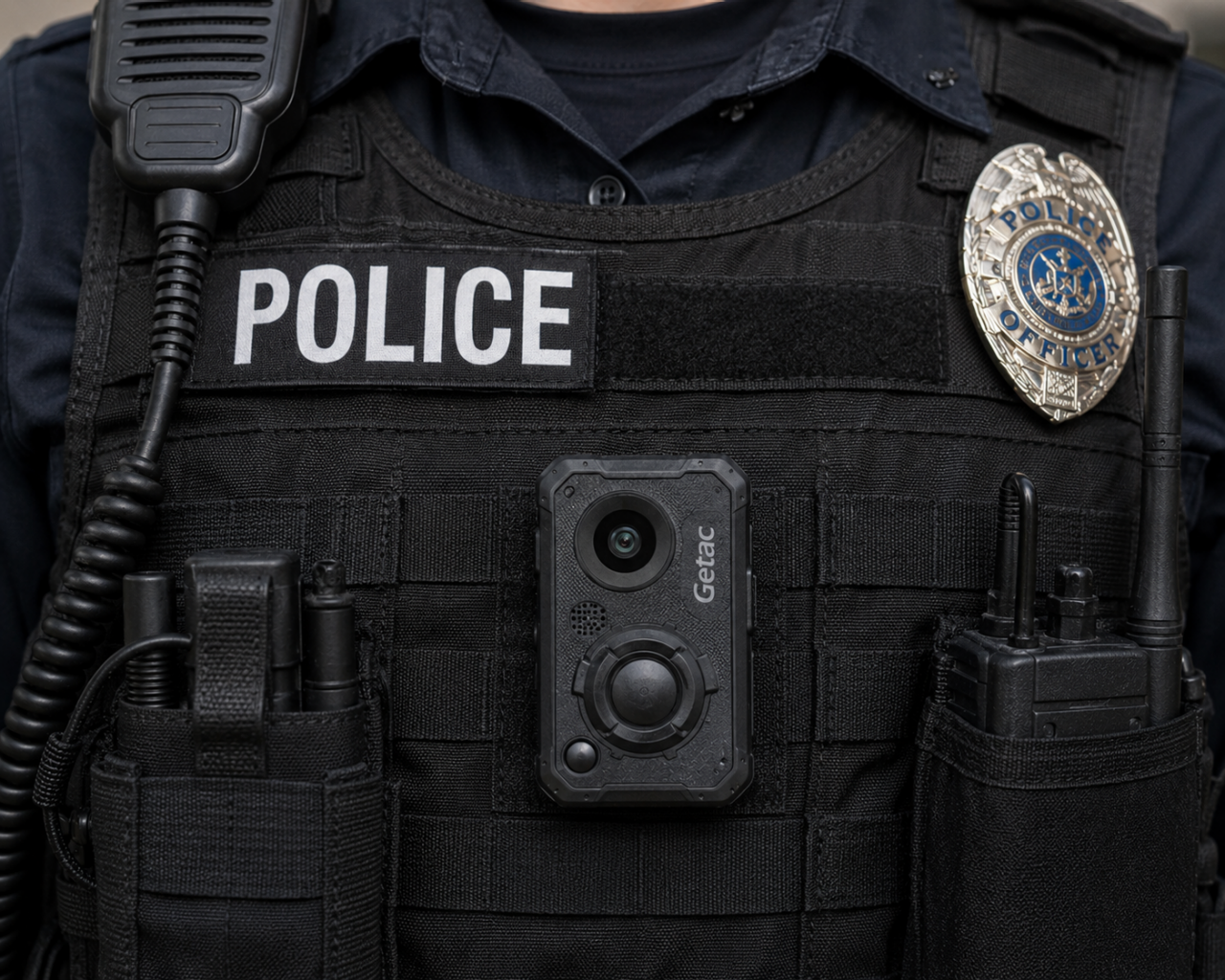
A tribal police department uses body-worn cameras to create an impartial record of every officer-citizen contact, strengthen evidence, and maintain trust with the community it serves. This small tribal police department in the Pacific Northwest equipped its officers with Getac BC-04 4K body-worn cameras and MVS in-car video, joined by Getac Redaction on one evidence-management platform. For a force covering an entire reservation around the clock with only a handful of officers, that record holds up in tribal court and reinforces the trust a self-governed community places in its own police.
- Customer: Small tribal police department, Pacific Northwest reservation
- Industry: Public Safety / Law Enforcement (Tribal)
- Solution: Getac BC-04 4K body-worn cameras and MVS in-car video with Getac Redaction
- Primary Use Case: Documenting officer-citizen contact to build trust, strengthen evidence, and protect a small force
- Key Result: Dependable full-shift body-worn recording tied to in-car video on one platform, with manageable redaction, backed by a five-year warranty
Why Do Body-Worn Cameras Matter So Much for a Tribal Police Force?
Body-worn cameras matter for a tribal police force because they create an impartial record that protects both the officer and the community member, keeps footage credible in tribal court and outside-agency handoffs, and reinforces the trust a small, self-governed department depends on. When officers police the community they belong to, memory and word-of-mouth are not enough.
A body-worn camera puts a neutral third account in the room, one that backs an officer who acted right and reassures a community member that the interaction is on the record. In a place where everyone knows everyone, that impartial witness is what keeps a routine call from becoming a rumor. The cameras also carry weight past the reservation line: when a case moves to tribal court, or crosses into county, state, or federal hands through a regional task force, the department needs footage that holds up in every one of those rooms. For a self-governed nation, a clean record is part of exercising its own authority credibly.
What Are the Core Requirements for a Public Safety Video System?
A public safety video system needs to record continuously, last a full shift, and produce releasable video without a fight, so footage holds up for evidence, internal review, and the public record. Officers rely on body-worn and in-car video to document every interaction to that standard.
Using Getac Video Solutions, the department captures and manages critical video, including:
- 4K body-worn recording of officer-citizen interactions
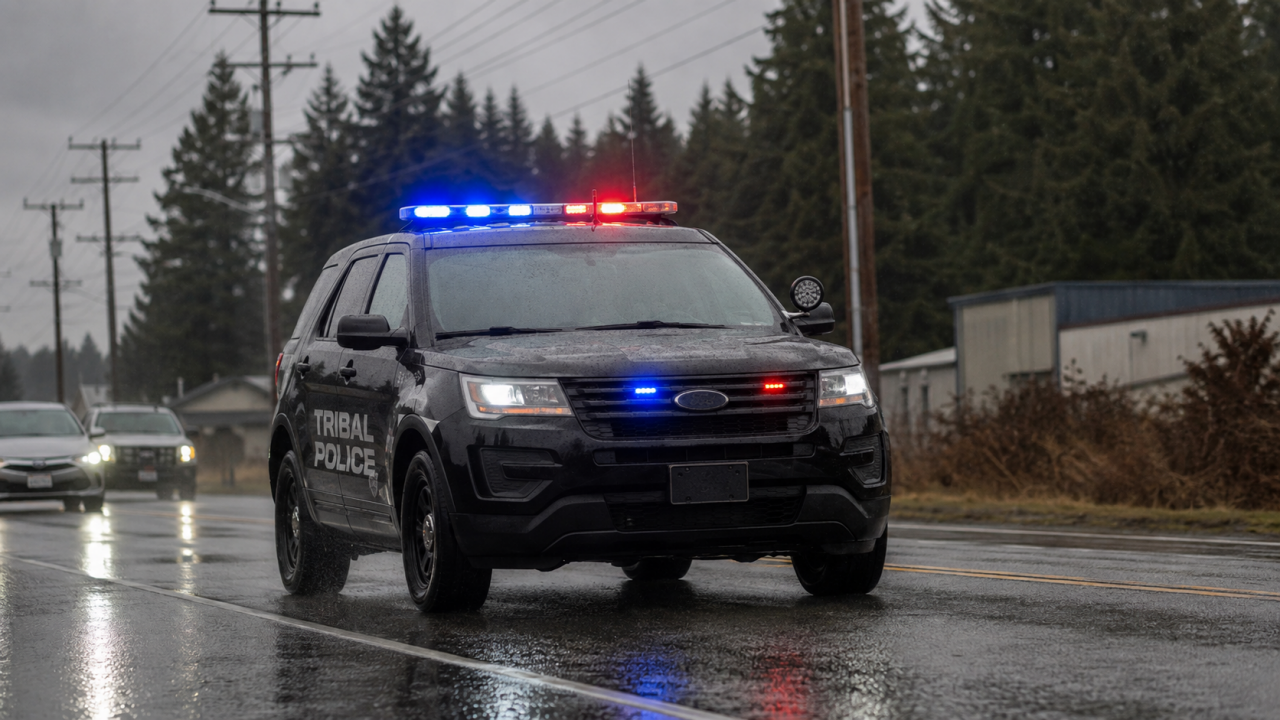
- In-car video documenting stops and field activity across the patrol fleet
- Redaction of sensitive footage for discovery, public-records requests, and internal review
- Evidence and footage that support training and performance management
With capture, storage, and disclosure handled as one system, a lean team can manage the whole record without a dedicated video specialist.
What Were the Key Outcomes of the Tribal Police Body-Worn Camera Deployment?
The deployment gave the department reliable full-shift recording, unified body-worn and in-car footage, and manageable redaction, replacing a patchwork of parts with video the whole force trusts and the community can count on.
Key outcomes included:
- An impartial body-worn record of every contact, strengthening trust on both sides of the badge
- Full-shift battery that carries an officer through long, solo coverage
- Body-worn and in-car footage joined as one record on a single platform
- Redaction light enough for one administrative role to keep court and records moving
- Footage that holds up in tribal court and in county, state, and federal handoffs
Why Did a Tribal Police Department Choose Getac Body-Worn and In-Car Video?
A small tribal police department in the Pacific Northwest chose Getac to give a lean, cross-trained force a dependable, defensible record on one platform. It deployed Getac BC-04 body-worn cameras, MVS in-car video, and Getac Redaction to document every contact, from traffic stops to emergency calls, in a way that holds up in tribal court and in outside-agency handoffs.
The agency serves members, residents, and visitors across a reservation, and its officers are cross-trained in patrol and fish and wildlife enforcement, covering peace preservation, traffic, accident and criminal investigation, and emergency response around the clock. They also work regional task forces and national safety campaigns, so their footage regularly meets outside agencies. For a force this size and this connected to its community, video is not back-office infrastructure. It is part of how the department governs itself and answers to the people it protects.
The department required a video solution that could:
- Give every officer a dependable body-worn record on every shift
- Last a full patrol shift on a single charge
- Join body-worn and in-car footage from modernized vehicles on one platform
- Keep redaction manageable for a single administrative role
- Come with support a small agency can actually reach
What Video Challenges Does a Small Tribal Police Department Face?
A small tribal police department faces the same accountability and public-records duties as a department many times its size, but on a fraction of the budget and with no IT staff to run its technology. When its video was assembled from separate parts rather than built as one system, reliability, evidence, and scarce staff time were all exposed at once.
The community makes the stakes personal. A missed or unusable recording does not just weaken a case in front of the tribal court. It leaves a gap that neighbors will fill with their own version, and for a police force that governs by trust, that erosion is far costlier than any equipment bill.
Key challenges included:
- A patchwork of body-worn and in-car gear that left gaps when footage mattered most
- Body-worn and in-car clips living as disconnected files instead of one event
- Records and redaction work piling onto a single administrative role
- Big-agency obligations with only a handful of officers and no IT bench
- Community trust and self-governed credibility riding on a defensible record
How Did Getac Solve a Small Tribal Department's Video Challenges?
Getac solved the department's challenges by bringing body-worn cameras, in-car video, and redaction together as one system on a single platform, so a small force could own it outright without a specialist in the building. It deployed BC-04 4K body-worn cameras, MVS in-car video, and Getac Redaction, each answering a specific problem the patchwork had created.
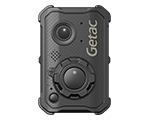
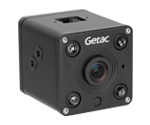
The BC-04 is certified to MIL-STD-810H and rated IP67, records in 4K, and lasts a full shift, so an officer working solo overnight never has to nurse a battery, worry about the camera surviving a fall or a downpour, or wonder if it caught the moment. MVS in-car systems in the modernized patrol vehicles document stops and field activity, and body-worn and in-car footage sync into one record. Redaction lives on that same platform, sized so one administrative role can prepare footage for tribal court, public-records requests, and task-force handoffs. The whole chain answers to a single vendor.
Key capabilities of Getac Video Solutions for tribal and small agencies include:
- BC-04 4K body-worn cameras, certified to MIL-STD-810H and rated IP67, for a high-detail, impartial account of every contact
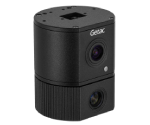
- MVS in-car video documenting stops and field activity from modernized patrol vehicles
- Body-worn and in-car footage synchronized as one record on one platform
- Full-shift battery and power management built for round-the-clock solo coverage
- Redaction sized for a single administrative role, not a records department
- One vendor accountable for the whole system, with support a small force can reach
What Results Did the Tribal Police Department Achieve With Getac?
With Getac, the department gained an impartial body-worn record on every shift, full-shift battery for solo coverage, and body-worn, in-car, and redaction unified on one platform backed by a single vendor. It went from tending a collection of parts to relying on one system, freeing officers to spend their hours in the community instead of on the technology.
Key results included:
- An impartial body-worn record on every shift, on both sides of the badge
- Cameras that last through long, solo coverage
- Body-worn, in-car, and redaction unified as one solution on one platform
- Redaction a single administrative role can keep current for court and records
- One vendor accountable for it all, backed by a five-year warranty
Is Video Reliability Especially Critical for Tribal Police Departments?
Video reliability is especially critical for a tribal police department because a small force often has no other witnesses, dispatch logs, or backup units to corroborate an encounter, so the body-worn camera is frequently the clearest, most impartial record of what happened. On a reservation policed by a handful of officers who know the people they serve, a camera that fails does not just lose a file, it lets doubt back into a relationship the department has spent years earning. That makes reliability inseparable from trust.
Getac keeps that record dependable and complete, joins it with in-car video, and keeps disclosure light enough for a lean team to sustain. A five-year warranty means the department can build its accountability around the system for the long haul, not wonder how long it will last.
What Should a Tribal Agency Look for in a Body-Worn Video System?
A tribal agency should look for a body-worn video system a small, cross-trained force can run reliably every shift, that keeps footage credible in tribal court and beyond, and that a single staff member can disclose without falling behind, not the one with the longest spec sheet. Tribal agencies are asked to meet the standards of a large department with the resources of a small one, while answering directly to the community they belong to, which raises the stakes on every recording.
Here, video is evidence, oversight, and a statement of self-governance all at once. Getting those fundamentals right is what turns body-worn video from an obligation into a source of trust.
Why Do Tribal Law Enforcement Agencies Choose Getac for Video Solutions?
Tribal law enforcement agencies choose Getac because body-worn cameras, in-car video, and redaction come from one vendor on one evidence-management platform, giving a small force a single point of accountability instead of a stack of systems to integrate and maintain.
What is a single-vendor video solution? A single-vendor video solution is one in which the body-worn cameras, in-car video, and redaction software are built and supported by the same manufacturer on one platform, so footage syncs automatically and there is one team accountable for the entire chain of custody.
For a tribal police department, that model solves four problems at once:
- One point of accountability: With cameras, in-car video, and redaction from Getac, a force with no dedicated IT staff has one vendor to call, not three that point at each other.
- Full-shift reliability: The BC-04 records in 4K and lasts a full shift, so an officer working solo around the clock captures every contact without nursing a battery.
- Court-ready evidence: Body-worn and in-car footage sync into one record that holds up in tribal court and in county, state, and federal handoffs through regional task forces.
- Manageable disclosure: Getac Redaction runs on the same platform, sized so a single administrative role can prepare footage for public-records requests without a dedicated records division.
Getac backs the deployment with responsive support and a five-year warranty, so a self-governed agency can build its accountability around the system for the long term.
Frequently Asked Questions
Why are body-worn cameras important for tribal police departments?
Officers police a community they are part of, so an impartial recording protects both the officer and the community member and keeps trust intact. It also keeps footage credible when a case reaches tribal court or crosses into county, state, or federal jurisdiction.
What Getac video products did the tribal police department deploy?
Getac BC-04 4K body-worn cameras and MVS in-car video, plus Getac Redaction, as one complete solution on a single evidence-management platform.
How does a single-vendor video system work for a small police force?
Everything runs on one platform from one vendor, so there is no system to integrate or maintain. The cameras hold a full shift, and redaction is light enough for a single administrative role to manage.
Does Getac MVS in-car video fit modern patrol vehicles?
Yes. MVS in-car systems document stops and field activity from modernized patrol vehicles, and that footage syncs with body-worn video as one record.
How does a small agency handle video redaction without a records department?
Getac Redaction runs on the same platform and cuts review time and manual clicks, so one staff member can prepare footage for tribal court, public-records requests, and task-force handoffs.
How does reliable body-worn video support community trust and self-governance?
A complete, dependable record backs up what officers say, shows the department holds itself accountable, and lets a self-governed nation exercise its own authority with credibility the whole community can see.
Learn More About Getac Video Solutions
Talk to Getac about building a body-worn and in-car video deployment with redaction for your agency. Learn more about Getac Video Solutions.
Learn More About The Getac BC-04 4K
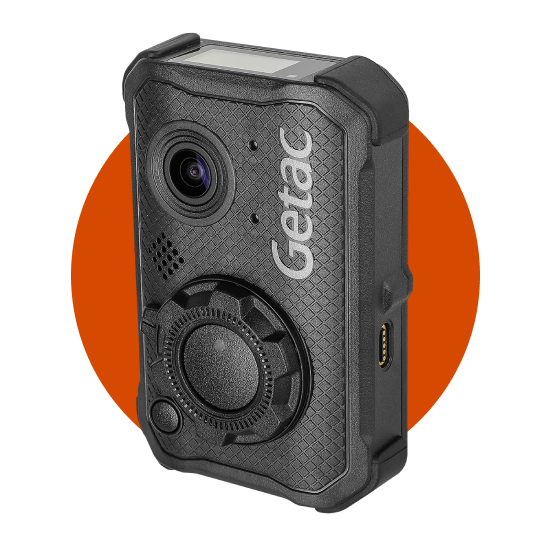
Getac body-worn cameras are built for law enforcement professionals who need equipment they can trust to document every second. Solutions that stay reliable shift after shift in conditions that are anything but predictable. Our focus is simple: provide high-resolution audio-visual recording that is reliable, clear, and consistent.