


















Key Takeaways
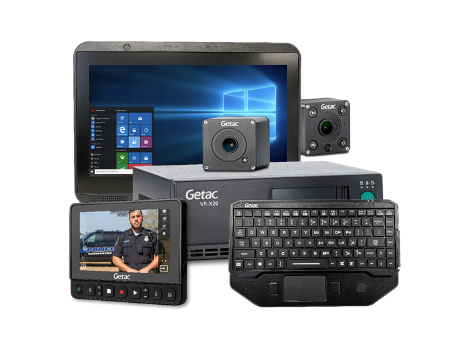
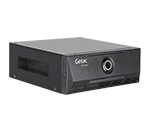
- The Getac VR-X20 DVR G3 and CA-NF42 camera provide the AI-enabled foundation for high-speed plate capture. These systems automatically convert images into searchable data via Optical Character Recognition (OCR), recording the plate number, vehicle photo, time, and GPS location for real-time alerts.
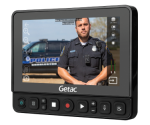
- The CU-D50 5-inch HD Display reduces driver distraction by surfacing "hot list" matches—such as stolen vehicles or outstanding warrants—directly to the officer. This integrated interface allows for safer, faster field decisions without the need for manual plate entry.
- Reliable 4G/5G and GPS connectivity enable the continuous data flow required for Amber Alerts and real-time coordination. High-speed, resilient connections ensure that captured data is synchronized with central databases for immediate investigative use.
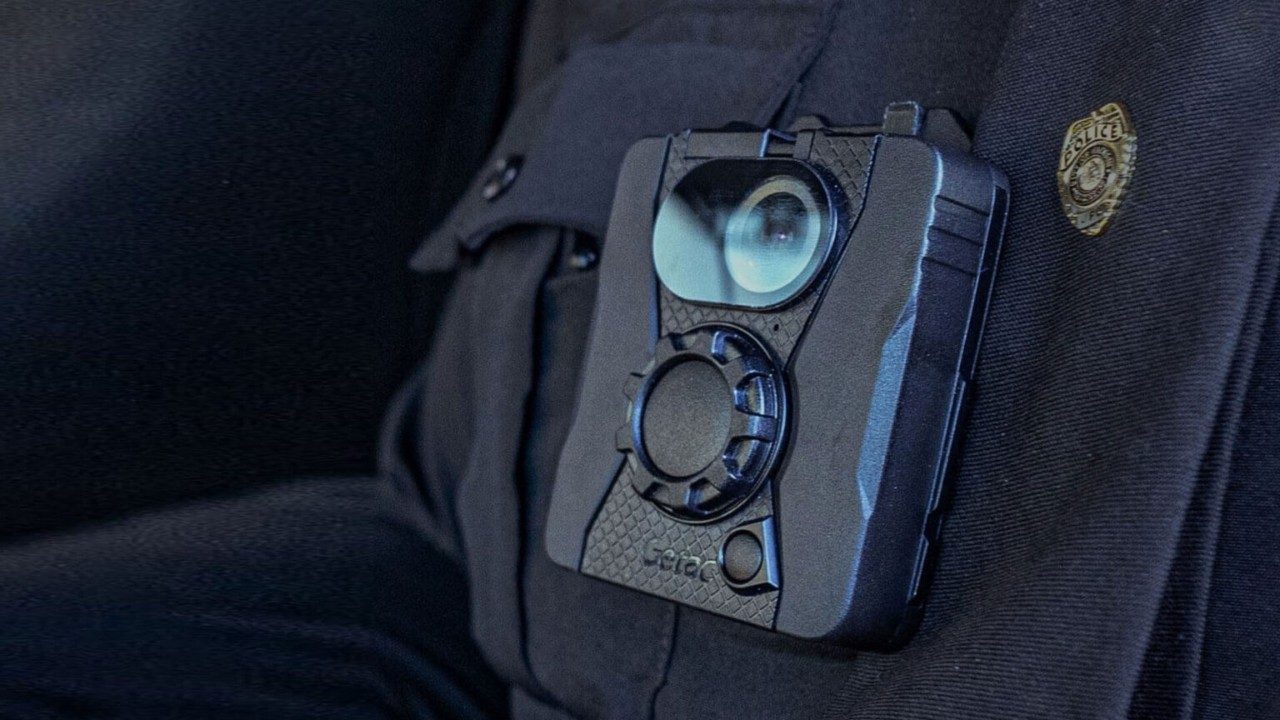
- Purpose-built ruggedness protects system uptime in harsh patrol environments characterized by extreme vibration and temperature swings. This ensures that the AI-enabled cameras and in-car video systems remain operational and available when they are needed most.
- Hardened endpoints protect sensitive data through features like TPM 2.0, multi-factor authentication, and user-removable SSDs. These security measures ensure that ALPR datasets are well-protected from unauthorized access while supporting agency transparency and oversight.
What are ALPRs, and how does OCR technology work?
Automated License Plate Readers (ALPRs), also known as ANPR in some regions—are high-speed, computer-controlled camera systems typically mounted on patrol cars, street poles, or trailers. They use Optical Character Recognition (OCR) to turn photographs of license plates into computer-readable data. Each "read" typically captures the plate number and confidence score, the date and time, a vehicle image, and the precise GPS-based location.
How do mobile and fixed ALPR deployment compare?
Agencies often use a blend of both to maximize coverage and interdiction capabilities:
- Mobile ALPR (In-Vehicle): Mounted on patrol cars for real-time scanning and immediate "hot list" alerts (e.g., stolen vehicles or felony warrants) during active duty.
- Fixed ALPR (Roadside): Installed on poles, overpasses, or trailers to build investigative datasets and monitor high-traffic corridors or chokepoints.
Which rugged in-vehicle components support data-intensive ALPR and video workloads?
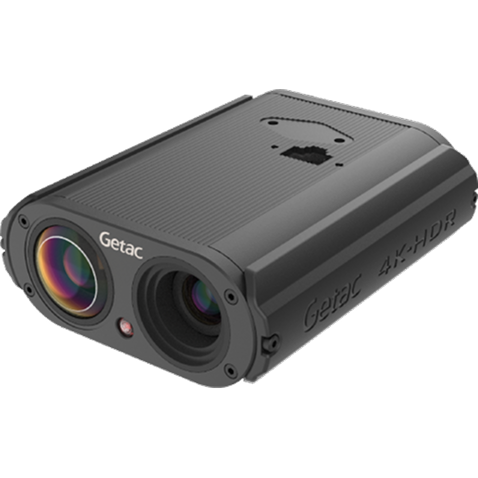
CA-NF42 UHD DUAL LENS CAMERA
AI-enabled license plate recognition and situational awareness use cases.
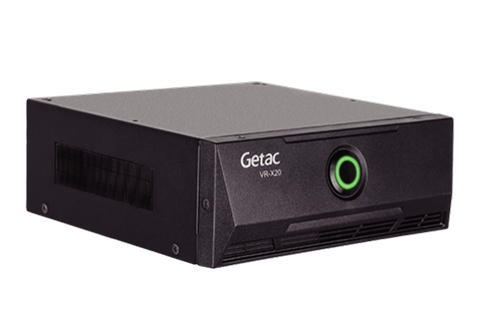
VR-X20 DVR G3
Intel Core Ultra platform with AI acceleration, which acts as the high-performance hub for high-throughput recording, AI processing, and massive evidence storage.
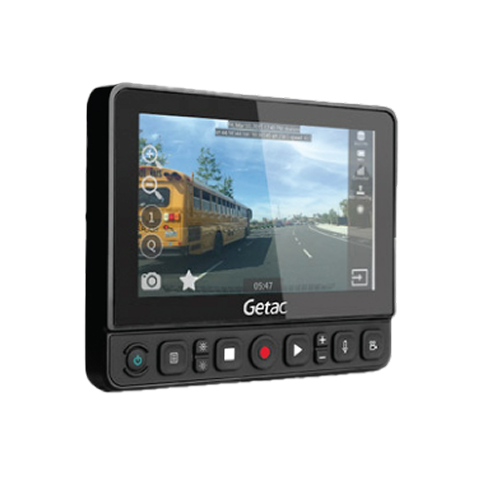
CU-D50 5-INCH HD DISPLAY
Provides a glanceable, touch-friendly interface for frontline use. This display makes ALPR alerts and system status visible in the moment so officers can acknowledge and act on matches quickly.
How does ALPR technology improve public safety and investigative speed?
Integrating ALPR into the patrol workflow provides measurable advantages for frontline officers and investigators:

Improved Efficiency in Identifying Vehicles of Interest
ALPRs eliminate the need for manual data entry by automatically alerting officers to vehicles on "hot lists," such as stolen cars or those associated with outstanding warrants.

Accelerated Criminal Investigations
The system’s database allows investigators to search historical location data to establish patterns, identify associates, or verify alibis.

Enhanced Officer Safety and Situational Awareness
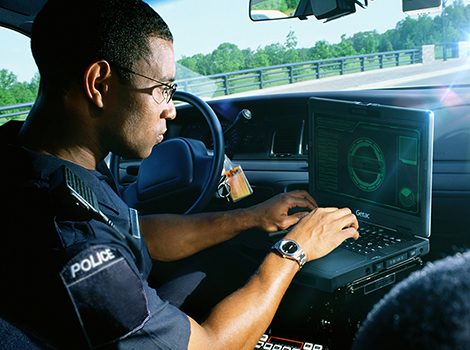
By automating the scanning process, officers can pay more attention to the road and their surroundings, while real-time alerts provide immediate information on potential threats.

Reduced Administrative Errors
Integrated solutions can reduce "eCitation" errors by auto-populating vehicle data directly into agency records, reducing paperwork and improving court-ready accuracy.
How is sensitive ALPR data protected from misuse?
Because ALPR data includes sensitive location information and vehicle imagery, responsible use and strict oversight are foundational to public safety operations. Getac supports data integrity and privacy through a multi-layered security architecture designed to prevent unauthorized access and ensure accountability:
- Hardened Endpoint Security: Getac devices utilize TPM 2.0 hardware-based security and support multi-factor authentication (MFA)—including Windows Hello face authentication, smart card readers, and RFID—to ensure that only verified personnel can access the ALPR system.
- Physical Data Isolation: To protect data at the edge, systems feature user-removable SSDs. This allows agencies to physically remove and secure sensitive datasets when a vehicle is not in service, mitigating the risk of data theft from the field.
- Secure Records Management and Auditability: Integrated vehicle solutions provide secure records workflows with documented access controls. This creates a transparent audit trail, allowing agencies to monitor exactly who accessed the data and for what purpose, ensuring alignment with community expectations and legal oversight.
- Enforced Retention and Disposition Policies: The system supports agency-defined retention durations and automated disposition (disposal). By establishing clear access tiers and automatically deleting data once its investigative value or legal hold has expired, agencies can significantly reduce privacy risks and prevent the accumulation of unnecessary sensitive information.
Conclusion
ALPR systems are vital tools for modern public safety, aiding in everything from finding missing persons to solving complex crimes. By integrating AI-enabled cameras with Getac’s rugged in-vehicle compute and secure records workflows, agencies can ensure their systems stay operational, their data remains secure, and their officers stay focused on protecting the community.