Where This Plays Out: Defense, UAS/UGV Programs, and Infrastructure
The mission types driving GCS modernization span several integrator segments:
- Defense primes and Tier 1 SIs working on programs where interoperability requirements (such as STANAG 4586 or MOSA) may be written into the contract.
- Small tactical UAS manufacturers who need to fit a full control capability into a reduced footprint without redesigning hardware for every airframe variant.
- UGV and counter-UAS (C-UAS) providers extending ground control concepts beyond aerial platforms into multi-domain unmanned systems.
- Public safety and special operations integrators who may need hardware options for both vehicle-mounted and handheld deployment.
- Energy and infrastructure primes running inspection and monitoring programs where ruggedness and field serviceability can affect lifecycle cost as much as initial procurement price.
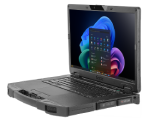
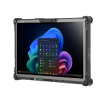
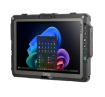
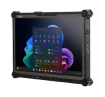
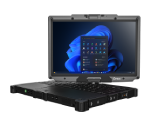
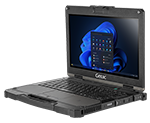
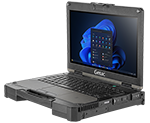
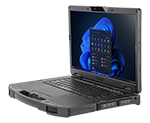
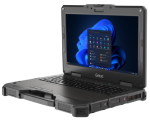
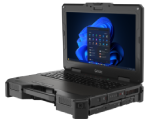
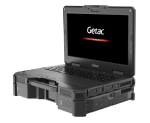
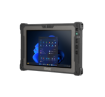
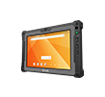
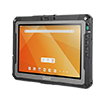
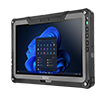
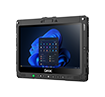
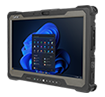
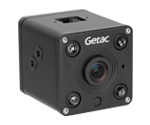
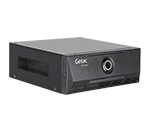
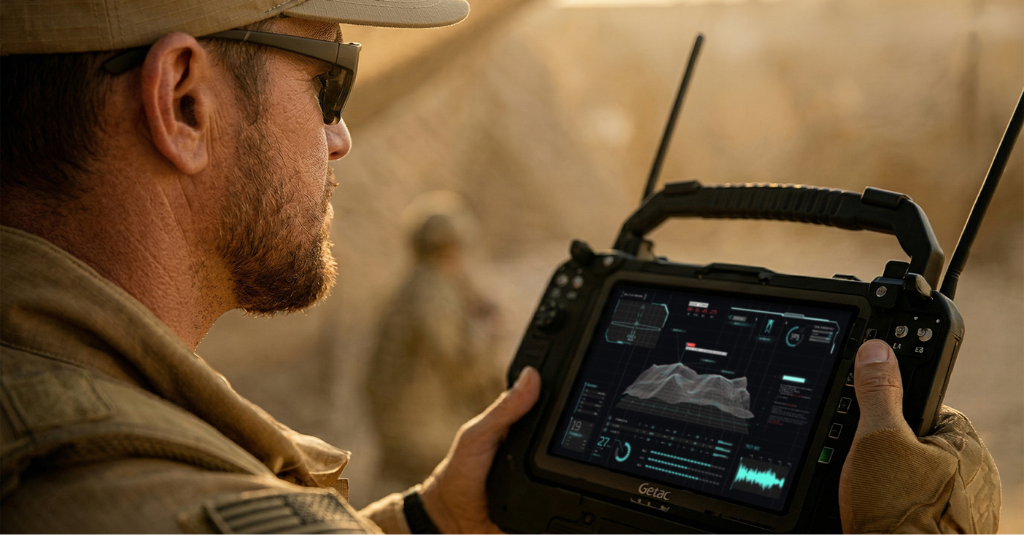
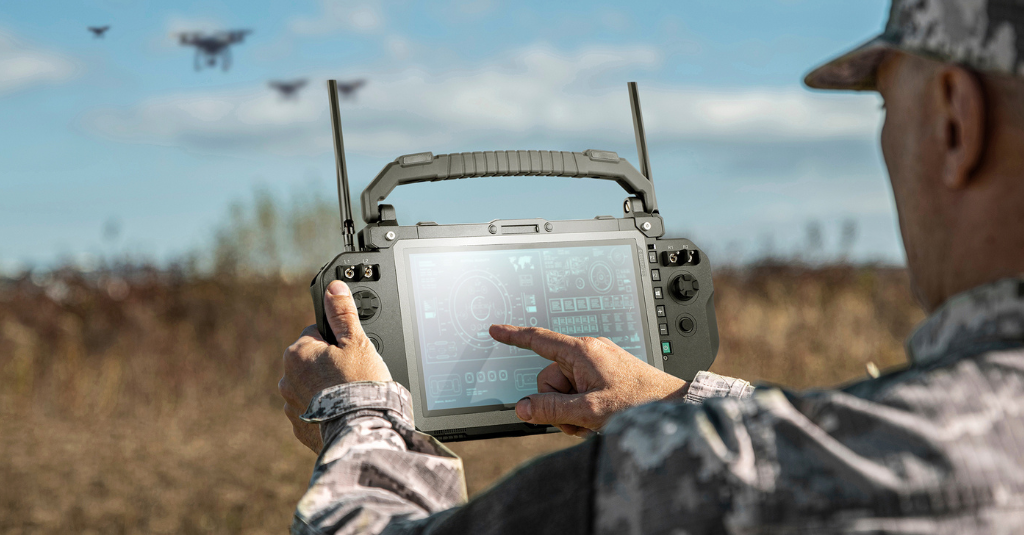
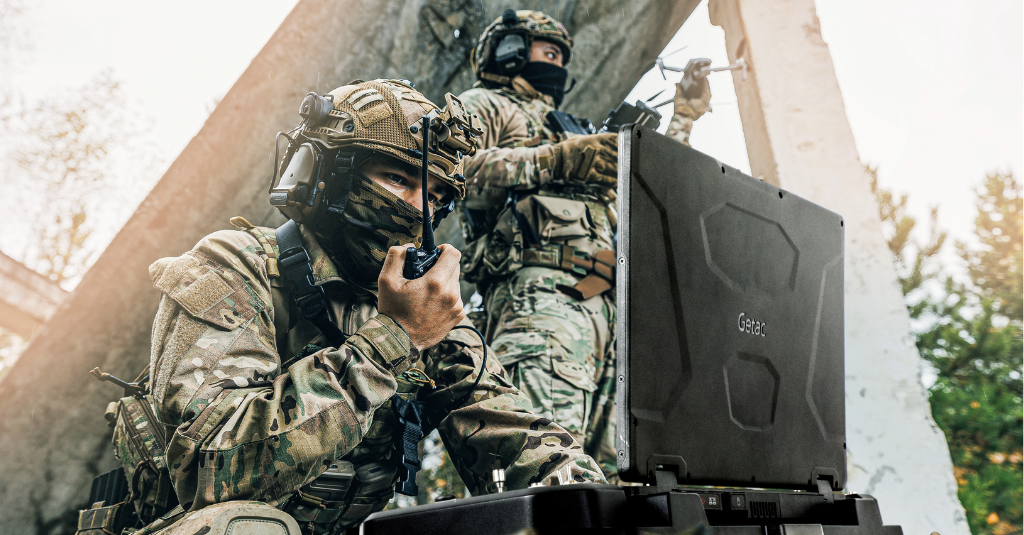
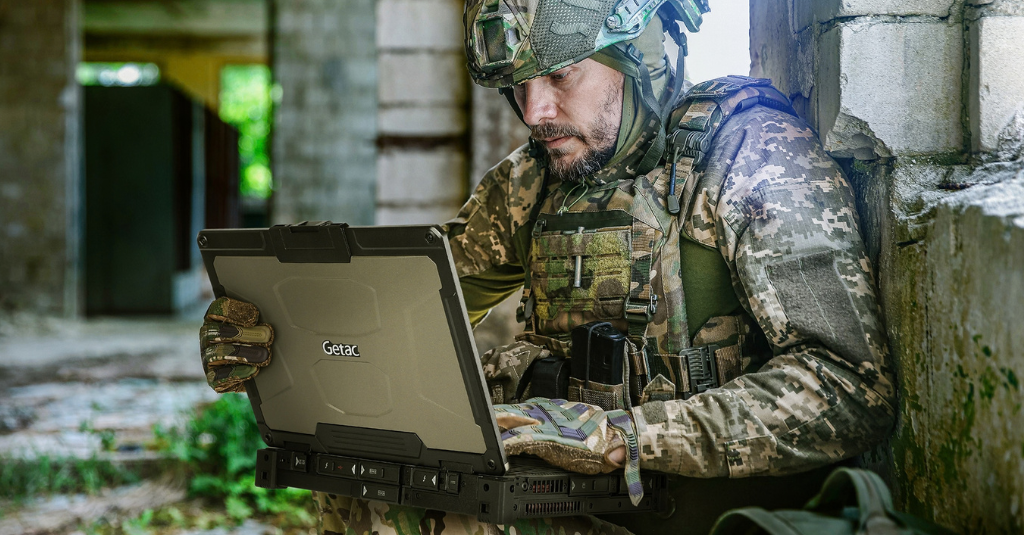
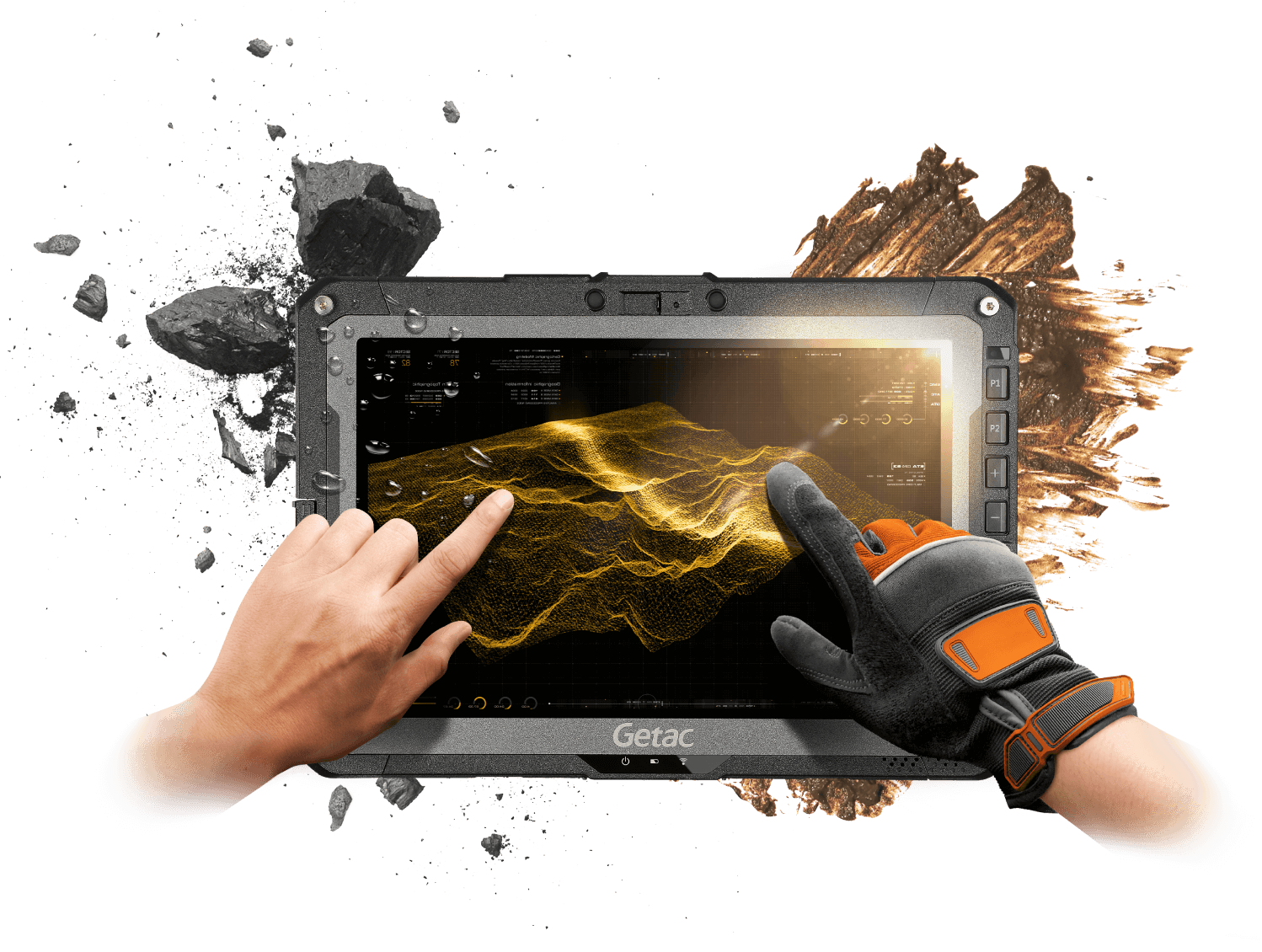
Getac's CommandCore GCS platform is built around this configurable approach. It brings together rugged tablets and laptops, such as the ZX80 tablet, with additional models, including the UX10. CommandCore devices can be configured with reserved external I/O ports, a reserved RF compartment for flexible RF integration, external antenna support, and hot-swappable batteries. Radios and communication networks can be customized upon request, working alongside the integrator's chosen radio vendor, to help avoid lock-in to a single data link. CommandCore was developed in collaboration with technology and connectivity partners, and Getac's warranty and service offerings can be tailored to each program, including arranging on-site support through third-party providers where required. With a range of rugged device form factors and support for larger-quantity deliveries, CommandCore is designed to help integrators scale configured solutions as program demand grows. Full technical details are available on the Getac CommandCore Ground Control Station page.
Glossary
- GCS (Ground Control Station): Hardware and software system used to command, monitor, and control unmanned vehicles from a terrestrial location.
- MOSA (Modular Open Systems Approach): A U.S. defense acquisition approach that uses severable modules and standardized interfaces so components can be upgraded or sourced from different vendors, reducing vendor lock-in.
- STANAG 4586: NATO standard defining interoperable interfaces for UAV control systems across joint and coalition operations.
- C-UAS: Counter-unmanned aircraft systems, used to detect, track, or neutralize hostile drones.
- UGV: Unmanned ground vehicle.
Frequently Asked Questions
What is a ground control station (GCS)?
A ground control station is the hardware and software system used to command, monitor, and control unmanned aerial, ground, or maritime vehicles from a terrestrial location. It typically handles mission planning, telemetry, payload control, and data link management between the operator and the unmanned platform.
What are the key features to look for in a drone ground control station?
For integrators, criteria worth prioritizing include configurable I/O for third-party hardware integration, flexible RF integration, hot-swappable batteries to help maintain power during drone missions, independently verified environmental ruggedness, field serviceability, compatibility with existing command-and-control or mission software, and the vendor's ability to scale from pilot quantities to larger deployments. No single performance spec should be evaluated in isolation.
What are the latest advancements in UAV ground control technology?
Developments discussed across the industry include open-systems architectures aligned to standards such as MOSA and STANAG 4586, flexible RF integration, hot-swappable power for continuous field operation, and on-device AI processing at the control station itself.
How do system integrators customize GCS hardware for different missions?
By working with platforms that offer reserved I/O ports, expansion interfaces, and flexible data link integration, integrators can adapt base hardware to different radios, payloads, and vehicle types, often without a full custom redesign for each program. Some integrations, such as a specific radio, may still require customization in collaboration with the radio vendor.
Is an open-architecture GCS platform vendor-agnostic?
An open architecture is designed to support interoperability with widely used command-and-control and situational awareness software instead of a single, proprietary ecosystem. The degree of interoperability varies by platform and configuration and should be verified against the specific standards (for example, STANAG 4586 compliance) a program requires.