























Key Takeaways
There is no single global certificate. ATEX, IECEx and the US system are separate frameworks, and a certificate under one does not automatically satisfy another. Check which applies where each device will be used.
ATEX is EU law, in two parts. Directive 2014/34/EU sets requirements for equipment placed on the EU market, and Directive 1999/92/EC sets duties for employers (European Commission).
IECEx is a voluntary international scheme. It certifies equipment to IEC standards in more than 35 member countries (IECEx).
The US classifies by Class and Division. Under 29 CFR 1910.307, equipment in classified locations must be approved for the location or approved as intrinsically safe. Testing is done by an OSHA-recognized NRTL such as UL (OSHA NRTL Program).
ANSI does not certify devices. It oversees the development of US standards, while certification is performed by an NRTL such as UL.
Zones and Divisions are different systems. ATEX and IECEx use Zones (0/1/2 for gas, 20/21/22 for dust), while the US also uses Class and Division, and OSHA allows the Zone system for Class I (IAEI Magazine, 2024).
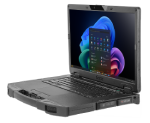
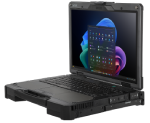
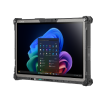
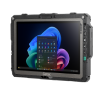
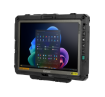
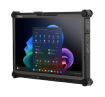
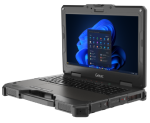
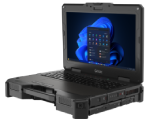
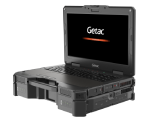
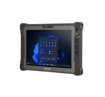
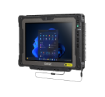
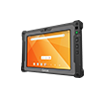
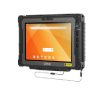
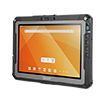
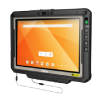
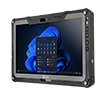
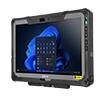
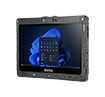
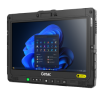
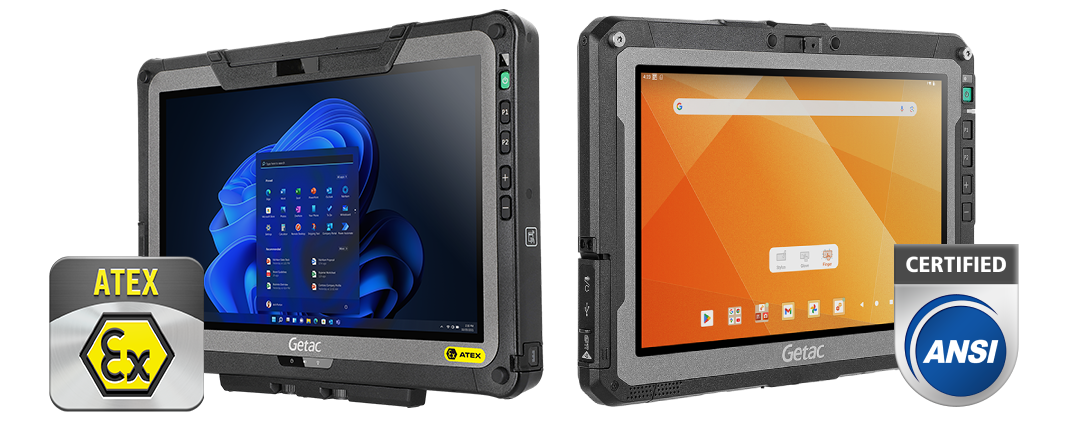
Check each model's certificate. Getac lists certifications by model, and its ATEX certified tablets are on the Getac tablets page. Confirm the spec sheet and certificate before deployment.
Certifications at a Glance
The table below compares the three frameworks at a glance.
Comparison of ATEX, US Hazardous Locations and IECEx
| Certification | Region / Authority | Applicable Standards | Classification System | Key Use Cases |
|---|---|---|---|---|
| ATEX | EU, EEA | Directive 2014/34/EU, EN 60079 series | Zone (0/1/2 gases, 20/21/22 dust) | Explosive atmospheres in Europe |
| Hazardous Locations | US (OSHA, UL) | UL 121201, UL 913, NFPA 70 (NEC) | Class I/II/III, Division 1 and 2 (Zone alternative for Class I) | Hazardous locations in the United States |
| IECEx | Global (IEC, 35+ countries) | IEC 60079 series | Zone (0/1/2 gases, 20/21/22 dust) | International projects and cross-border licensing |
How Hazardous Areas Are Classified
Every framework starts with the same question: how likely is an explosive atmosphere to be present in the area? The answer is expressed in one of two systems.
in the US
The two systems are not one-to-one equivalents. Zone 2 is the zone-system counterpart to Division 2 for gases, so rely on your site's classification documents.
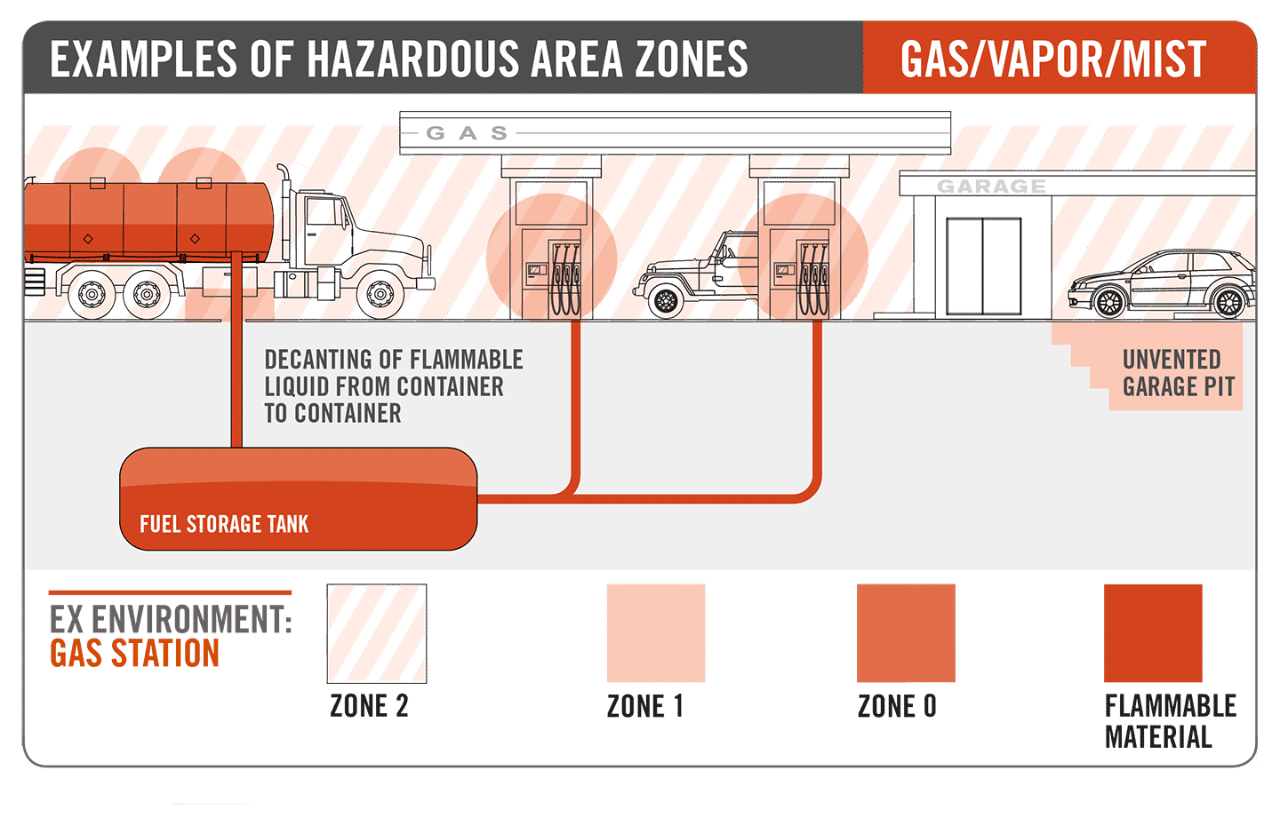
Figure 1: Examples of hazardous area zones for gases, vapors and mist. Zone 0: ignitable gas present continuously or for long periods. Zone 1: likely during normal operation. Zone 2: unlikely, and brief if it occurs.
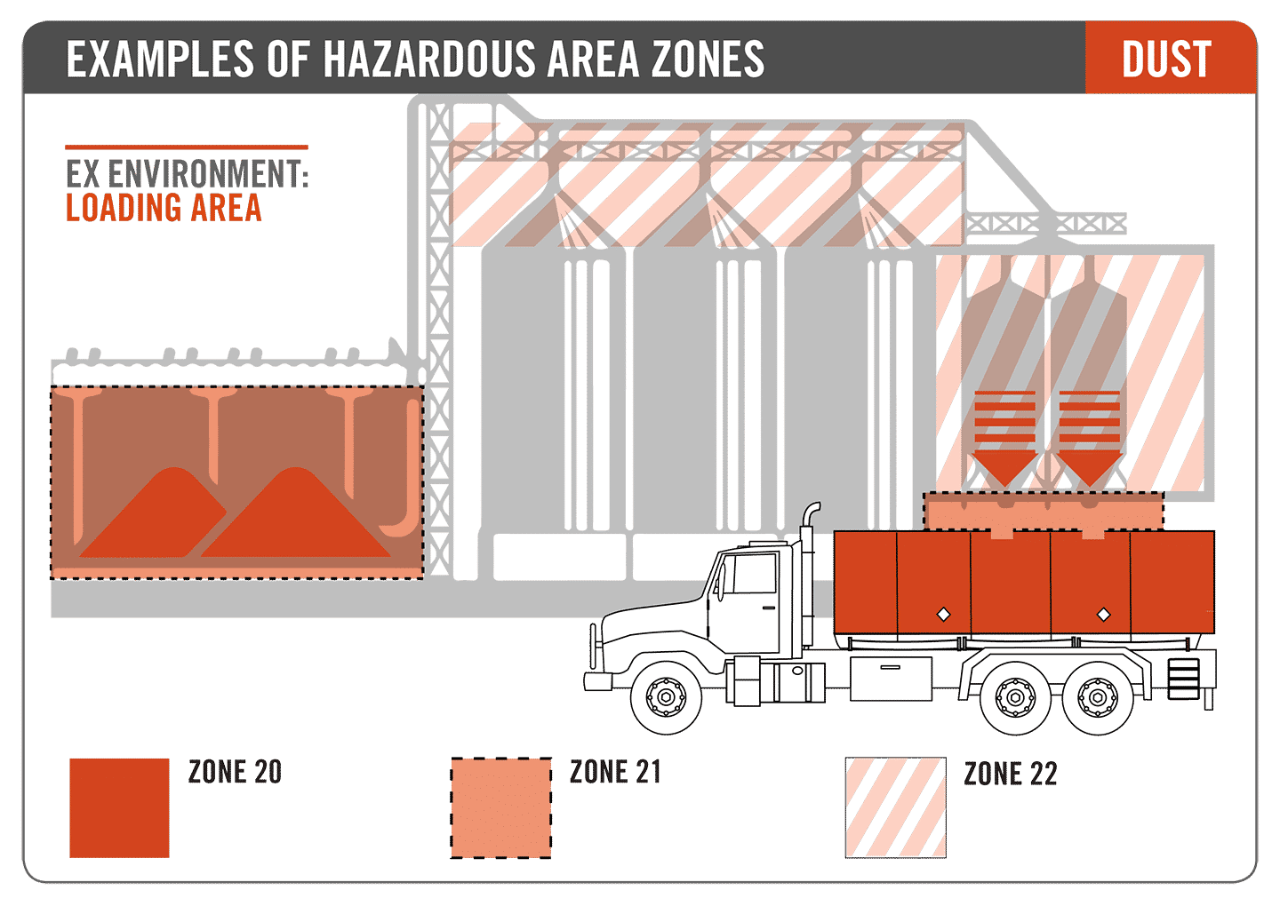
Figure 2: Examples of hazardous area zones for combustible dust. Zone 20: dust present continuously or for long periods. Zone 21: dust likely during normal operation. Zone 22: dust unlikely, and brief if it occurs.
How Certification Works in Each Region
Each framework follows a similar path: classify the area, design to a protection type, have the product assessed, and mark it.
Certification by Framework: Who Assesses, Marking and Sources
| Framework | Who assesses the product | Marking | Key sources |
|---|---|---|---|
| ATEX (EU) | The manufacturer or a notified body, depending on the equipment category | CE marking, Ex marking and an EU declaration of conformity | Directive 2014/34/EU |
| IECEx (international) | An IECEx Ex Certification Body, against IEC 60079 standards | IECEx certificate of conformity and Ex marking | IECEx |
| US | An OSHA-recognized NRTL such as UL | NRTL mark, with class, group and operating temperature marking | OSHA NRTL Program ; OSHA 1910.307(c) |
ATEX equipment categories: Category 1 equipment suits Zones 0/20, Category 2 suits Zones 1/21 and Category 3 suits Zones 2/22, with higher categories also acceptable in lower-risk zones (Directive 1999/92/EC, Annex II). Category 3 equipment follows internal production control, and Category 1 and 2 electrical equipment involves EU-type examination by a notified body (Directive 2014/34/EU, Article 13).
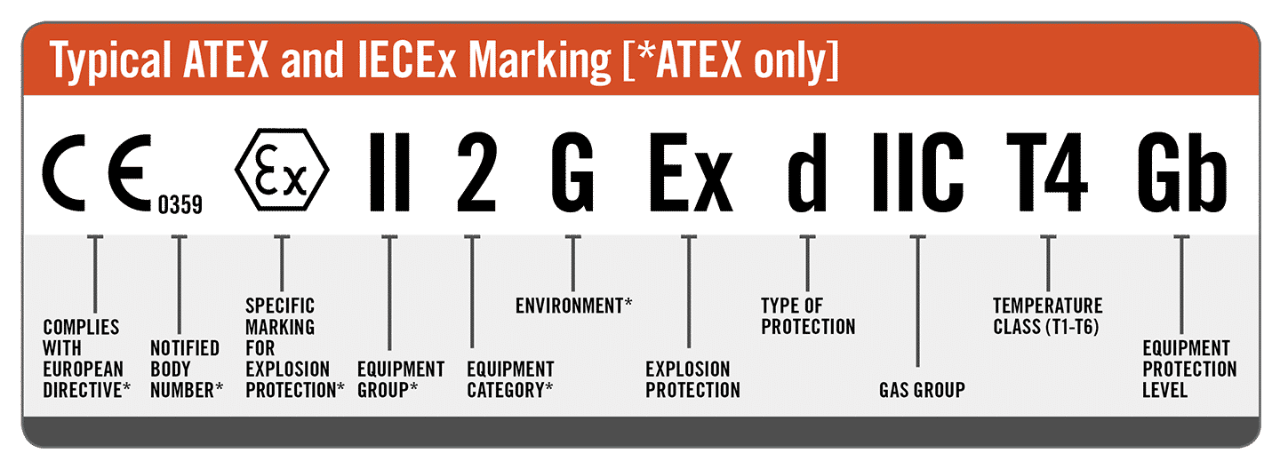
Figure 3: ATEX and IECEx marking diagram] Typical ATEX and IECEx marking. Items marked with an asterisk apply to ATEX only.
Protection Types, Including Intrinsic Safety
Protection Types Across ATEX, IECEx and US Standards
| Protection type | How it works | ATEX / IECEx | US |
|---|---|---|---|
| Flameproof / explosion-proof | An enclosure contains an internal ignition and prevents it from spreading to the surrounding atmosphere. | Ex d, EN/IEC 60079-1 | Explosion-proof, used for Division 1 (OSHA 1910.307(f)) |
| Intrinsically safe (IS) | Limits electrical and thermal energy so a circuit cannot ignite the atmosphere, including under fault conditions. | Ex ia, ib, ic, EN/IEC 60079-11 | UL 913; permitted in any classified location when approved as intrinsically safe (OSHA 1910.307(c)(1)) |
| Nonincendive | Equipment is not capable of igniting a hazardous atmosphere in normal operation. | Zone 2 protection types in the EN/IEC 60079 series | UL 121201; Class I/II Division 2 and Class III |
Intrinsic safety has three levels in the zone system: Ex ia tolerates two faults and suits Zones 0/20, Ex ib tolerates one fault and suits Zones 1/21, and Ex ic suits Zones 2/22.
Where Certified Devices Are Used
Classification is set by a site hazard assessment, so the examples below are illustrative.
Example Industries, Hazards, and Typical Classifications
| Industry | Example hazards | Typical classification |
|---|---|---|
| Oil and gas | Flammable gases and vapors at wells, compressor stations and refineries | Zones 0 to 2, or Class I Division 1 or 2 |
| Chemical and pharmaceutical | Solvent vapors in processing and laboratory areas | Zones 0 to 2, or Class I Division 1 or 2 |
| Utilities and energy | Gas distribution equipment, meters and valves | Often Zone 2, or Class I Division 2 |
| Food, agriculture and wood | Combustible dust in flour mills, grain silos and wood processing | Zones 20 to 22, or Class II Division 1 or 2 |
| Fuel storage and transport | Fuel vapors at depots and loading areas | Zones 1 and 2, or Class I Division 1 or 2 |
| Mining | Methane and coal dust | Set by the applicable mining regulator and site assessment |
Illustrative scenario: an operator with sites in Texas and Norway needs devices that meet different frameworks in each place. US Division 2 areas call for equipment approved for the location, typically through NRTL certification, while sites in the EEA fall under ATEX. A project elsewhere may ask for IECEx. Selecting models with the certifications each site requires can reduce training and device management overhead.
Explore Getac Rugged Tablets for Hazardous Locations
Hazardous location certifications are assigned model by model and region by region. The Getac tablet product pages list the certifications, specifications and configurations for each model, so you can match a device to your site's classification before you buy.
Compare Getac tablets, check the certificates that apply to your region, and talk to Getac about the right fit for your work site.
Note: Certifications differ by region. ATEX applies in the EU, IECEx is an international scheme, and the United States uses ANSI/UL standards such as UL 121201. Getac lists the certifications for each model on its product pages.
Getac in Practice
Getac customers in hazardous environments have shared these results from their deployments.
TRANSOCEAN, OFFSHORE DRILLING
times
Transocean deployed the F110 for emergency procedures and achieved 25% faster muster times than its previous method (Getac oil and gas page).
INFOMARINE, MARITIME DIAGNOSTICS, POLAND
InfoMarine, a Polish maritime diagnostics company, reports that its ATEX certified Getac tablet is over 50% faster than its previous measurement device, and that the ATEX version has let it carry out diagnostics in hazardous areas previously excluded from routine inspections (Getac video).