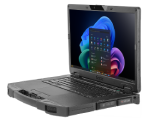
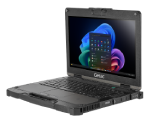
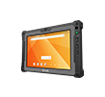
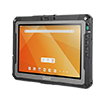
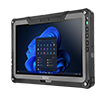
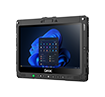
Future-Proofing Your Fleet with Getac and Gamber-Johnson
Cross-Platform Compatibility
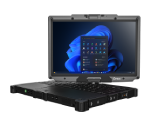
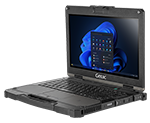
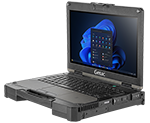
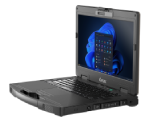
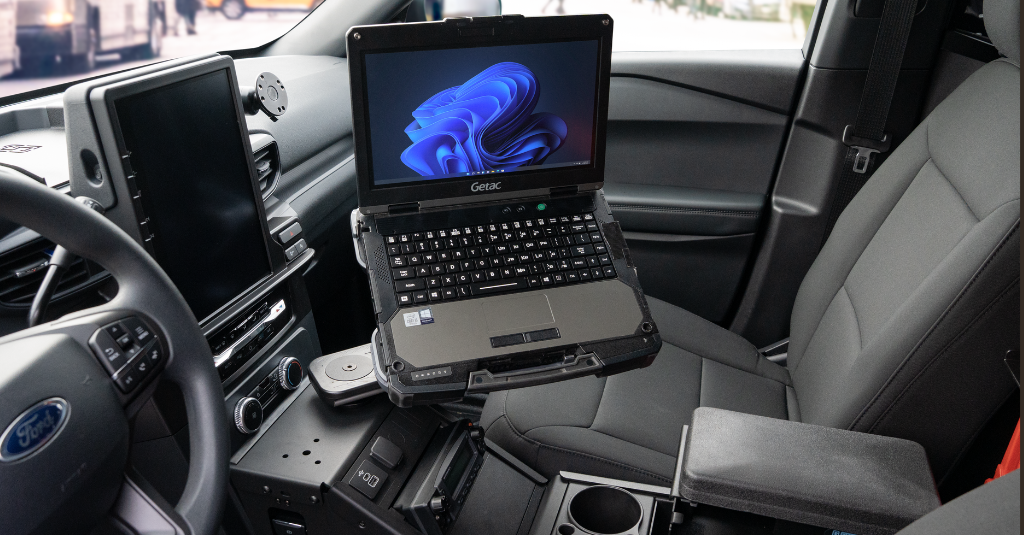
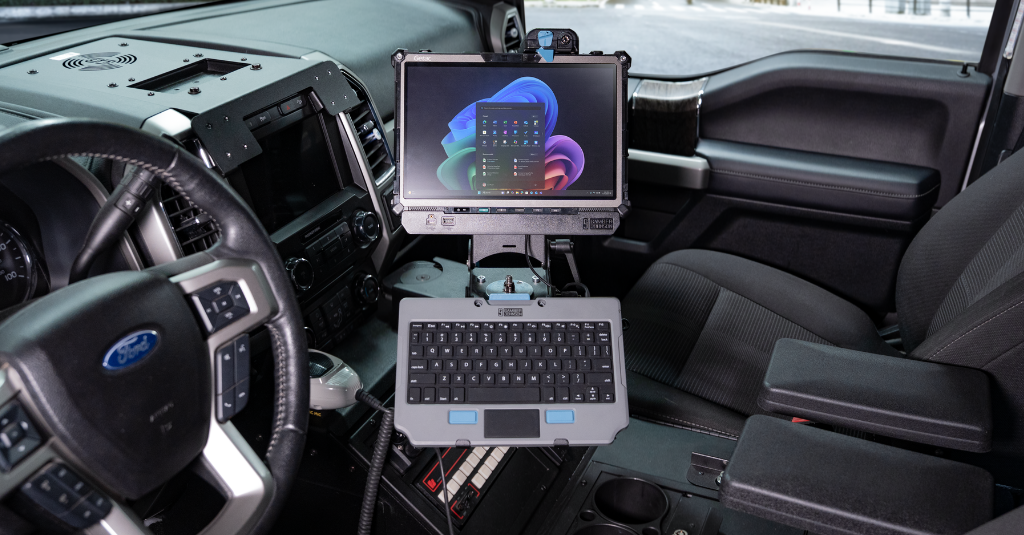
Gamber-Johnson docks are built to support multiple generations of Getac rugged devices. For example, docks designed for the Getac V110 remain compatible with the new V120 series—with little or no modification.
Future-Proof Design
The core mounting structure and power wiring are designed to outlast multiple device lifecycles. This allows fleets to upgrade computers without tearing out vehicle interiors or retraining staff.
Modular, Field-Proven Solutions
Whether you’re managing bucket trucks, sedans, or service vans, Gamber-Johnson’s modular systems adapt easily across vehicle types. Standardized mounting footprints simplify integration and enable consistent performance fleet-wide.
Real-World Scenarios: Upgrading With Minimal Downtime
A large U.S. electric utility faced over $1 million in projected labor costs to replace outdated docks. By partnering with Getac and Gamber-Johnson, they were able to reuse much of their existing vehicle infrastructure.
Through minor adjustments and adapter plates, the fleet upgraded hundreds of vehicles with minimal downtime—often during regular maintenance intervals. The result: faster upgrades, zero operational disruption, and a long-term docking system ready for future hardware cycles.
The Power of Expert Consultation
Selecting the right docking solution can be complex. That’s why Gamber-Johnson offers free in-vehicle consultations, helping utilities analyze vehicle interiors, mounting points, and workflow requirements.
This service ensures fleets receive a solution that fits ergonomically, integrates with existing systems, and supports future device upgrades—without unnecessary customization or added cost.
Lowering TCO: The Financial Argument
The true cost of mobile computing isn’t in the hardware; it’s in the lifecycle. Gamber-Johnson and Getac solutions help fleets dramatically lower TCO by reducing:
- Installation Labor: Reuse existing mounts and wiring.
- Downtime: Complete upgrades during regular maintenance.
- Training Costs: Maintain consistency across all vehicle platforms.
These savings compound with every technology refresh, delivering measurable ROI after the very first upgrade cycle.
Conclusion: A Message for Utility IT and Fleet Leaders
A modern docking strategy is not just about compatibility, it’s about control. By choosing Getac and Gamber-Johnson, you’re building a platform that protects your investment, simplifies upgrades, and supports continuous fleet readiness.
Your docking station should empower progress, not limit it. With the right foundation, your fleet can evolve at the pace of technology—without disruption, without waste, and without compromise.
Glossary of Key Terms
Rugged Device: A computer, laptop, or tablet engineered to withstand harsh field environments — including extreme temperatures, vibration, dust, and moisture — while maintaining reliable performance. Getac rugged devices meet MIL-STD and IP certification standards for field use in utilities, public safety, and defense.
Docking Station (Vehicle Dock): A secure, powered mount installed in utility or service vehicles that connects a rugged computer to power, peripherals, and antennas. It allows quick docking/undocking for field technicians while maintaining connectivity and charging.
Mini DisplayPort: A compact video output port commonly found on docking stations, supporting high-definition and ultra-high-definition video output. Mini DisplayPort enables connection to external monitors and is compatible with multiple display setups without requiring special drivers.
USB-C port: A versatile connection point on laptops and docking stations that supports Power Delivery for charging, DisplayPort Alternate Mode for video output, and high-speed data transfer. The USB-C port often serves as the primary or sole port for these functions on modern laptops.
USB-C ports: Multiple USB-C ports on docking stations provide seamless connectivity, support for high-resolution displays (such as 8K), fast data transfer, and device charging. USB-C ports are driverless and user-friendly, making them ideal for professional environments.
Gigabit Ethernet port: A network port on docking stations that offers reliable and fast wired network connectivity, especially useful when Wi-Fi is insufficient or unavailable. The Gigabit Ethernet port ensures stable data transfer for demanding applications.
Video ports: Various types of ports on docking stations, such as HDMI, DisplayPort, DVI, VGA, and Mini DisplayPort, that facilitate external monitor connections and support high-definition video output. Video ports are essential for multi-monitor setups and enhanced productivity.
Cross-Platform Compatibility: The ability of a docking station to support multiple generations or models of rugged computers without requiring replacement. This feature allows seamless hardware upgrades while keeping the same mount and wiring infrastructure.
Vendor Lock-In: A situation where a customer becomes dependent on one manufacturer's ecosystem — in this case, proprietary docking hardware — making it costly or impractical to switch to other brands or newer models.
Total Cost of Ownership (TCO): The complete cost of a product over its lifetime, including purchase price, installation, maintenance, downtime, training, and replacement expenses. For fleets, a high-quality compatible dock dramatically lowers TCO by eliminating repeated reinstallations.
Future-Proof Design: Engineering a solution (dock, mount, or computer) to remain functional and compatible with future technology upgrades. Getac and Gamber-Johnson's docking systems are designed to outlast multiple computer lifecycles.
In-Vehicle Consultation: A professional service offered by Gamber-Johnson in partnership with Getac, where engineers assess a customer's fleet vehicles and recommend optimized docking and mounting configurations for safety, ergonomics, and cost efficiency.
Fleet Downtime: The period during which utility vehicles are unavailable for operation due to maintenance or equipment installation. Reducing downtime is critical to service reliability and cost control.
Rugged AI Device A rugged computing system equipped with AI-ready processors for edge computing, real-time data analysis, and predictive maintenance in field operations like utilities or transportation.
GIS (Geographic Information System): A digital mapping and data-management system widely used in utilities for asset tracking, vegetation management, and infrastructure planning.
Frequently Asked Questions (FAQs)
1. Why are docking stations so important for utility fleets?
Docking stations serve as the backbone of in-vehicle computing. They power, secure, and connect rugged laptops or tablets to essential peripherals like GPS antennas, printers, and modems. Docking stations also simplify the process of connecting devices and peripherals by reducing the number of cables needed for video, data, and power connections. A well-chosen docking strategy enables faster upgrades, reduces costs, and minimizes downtime.
2. How does Getac + Gamber-Johnson reduce upgrade costs compared to other solutions?
Unlike proprietary docks that need to replace every hardware cycle, Gamber-Johnson docks are compatible with multiple generations of Getac devices. Utilities can upgrade computers without reinstalling or rewiring vehicle docks, saving thousands of labor hours and millions in TCO over time.
3. What is the benefit of "cross-platform compatibility"?
Cross-platform compatibility means one dock works with several Getac models. It lets fleets upgrade to newer rugged devices without replacing the dock, preserving investment and eliminating downtime. The docking station supports a wide range of monitors and other devices, making it easy to set up multi-monitor workstations and connect various peripherals.
4. How much downtime can be saved by using compatible docks?
Traditional fleet upgrades can take several days per vehicle. With Getac + Gamber-Johnson docks, upgrades often take under an hour per vehicle, since existing wiring and mounts are reused. Large fleets can save hundreds of operational days per upgrade cycle.
5. How does Getac support AI-driven operations in utilities?
Getac rugged devices integrate AI-ready chipsets, 5G connectivity, and long-life hot-swappable batteries. Combined with Gamber-Johnson docks, they enable real-time analytics, predictive maintenance, and smart inspection workflows for field teams.
6. What is the "free in-vehicle consultation" and how does it work?
Gamber-Johnson's engineering team visits customer sites to analyze vehicle interiors, existing mounts, and operational needs. They then recommend the best docking solution at no cost — ensuring safe, ergonomic, and future-proof installations.
7. What kind of ROI can utilities expect from switching to Getac and Gamber-Johnson?
Utilities typically see a full ROI within one upgrade cycle, as they avoid reinstallations, retraining, and downtime costs. Over ten years, compatible docking solutions can save millions of dollars in cumulative TCO.
8. Are Gamber-Johnson docks certified for rugged performance?
Yes. Gamber-Johnson docks are field-tested to meet or exceed MIL-STD-810H and IP-rating standards, ensuring reliability under shock, vibration, and temperature extremes — the same environments where Getac devices excel. Gamber-Johnson docks support various standards and device types, ensuring broad compatibility for different operational needs.
9. How can I start an upgrade consultation for my fleet?
Utility IT leaders can request a free in-vehicle assessment through their Getac sales representative or directly via Gamber-Johnson. The consultation identifies which existing mounts can be reused and outlines an optimized upgrade.