













Rugged Devices for Transit Operations, Maintenance, and Fleet Management
Built for bus operators, maintenance technicians, fare inspectors, and transit IT teams. Getac rugged tablets and laptops support CAD/AVL platforms, survive depot and field conditions, and scale from a single maintenance shop to a fleet of thousands.

What Rugged Devices Keep Mass Transit Running?
Getac rugged tablets and laptops are deployed by transit agencies to support CAD/AVL operations, rolling stock maintenance, fare inspection, and work order management across bus, light rail, and commuter rail fleets. From vehicle-mounted operator consoles to maintenance shop workstations, Getac hardware is built for the conditions that take consumer-grade devices offline.
Transit IT directors manage hundreds to thousands of devices across multiple depots, vehicle types, and operational roles. Consumer tablets in protective cases fail in maintenance bays, overheat on outdoor platforms, and void warranties the moment they take accidental damage in a bus bay. The result: a constant stream of replacements, missed work orders, and operators working around broken hardware. Getac rugged tablets and laptops are engineered from the chassis up — with MIL-STD-810H certification and IP-rated sealing — so maintenance technicians, operators, and fare inspectors finish their shifts with the same hardware they started with.
Windows and Android Rugged Devices for Transit Agencies
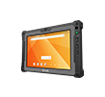
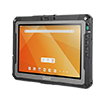
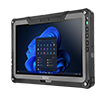
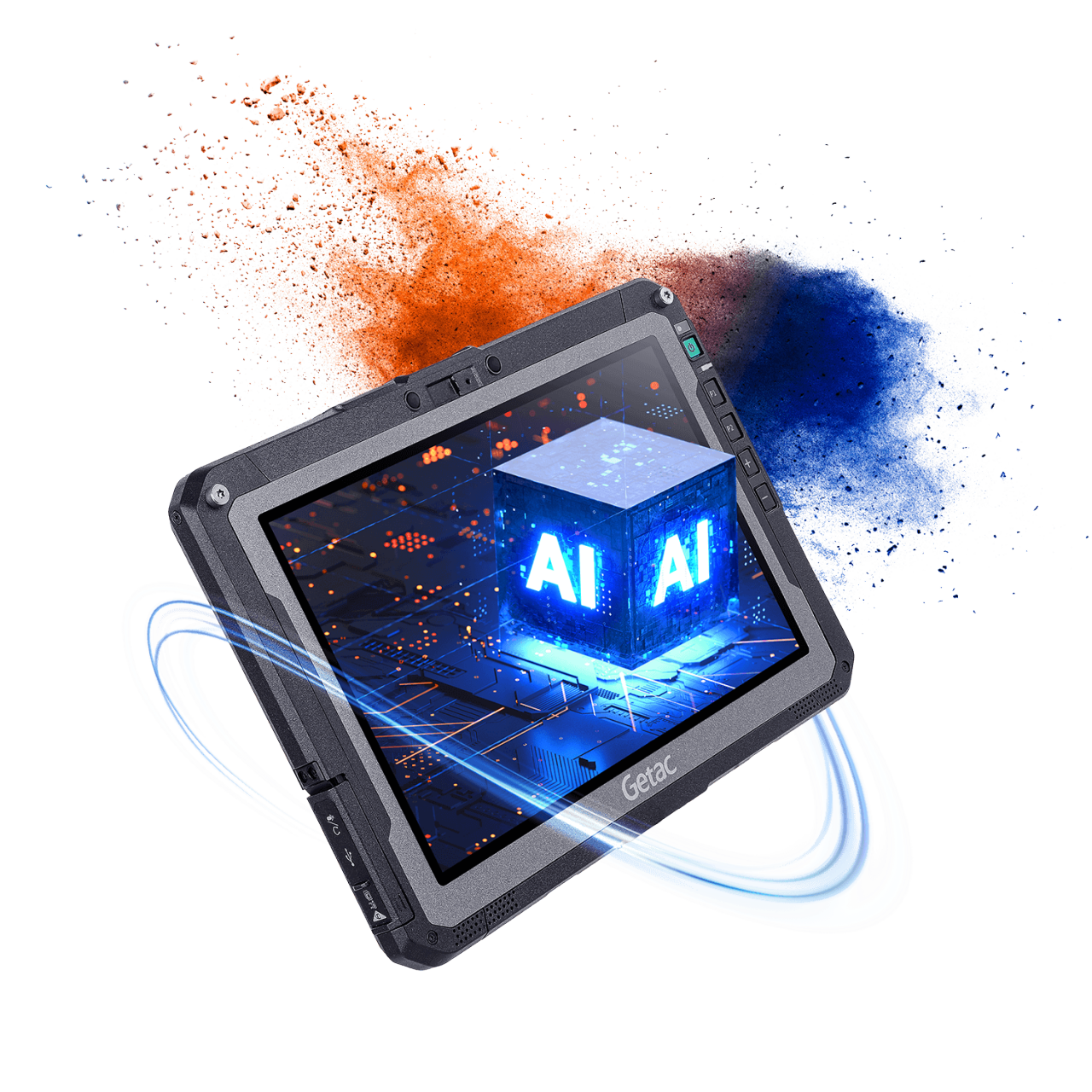
Getac offers both Windows and Android rugged devices — so transit agencies can standardize on the platform their teams already run. Android operators handling fare inspection, paratransit dispatch, and platform supervision can deploy the Getac ZX10, a fully rugged Android tablet built for all-day carry on platforms and vehicles. Windows teams running CAD/AVL software, CMMS platforms, and work order management systems can deploy the Getac UX10, a Copilot+ PC rugged tablet with AI-ready processing for transit data and routing applications. Both are built for the same depot, platform, and vehicle conditions that destroy consumer-grade devices.
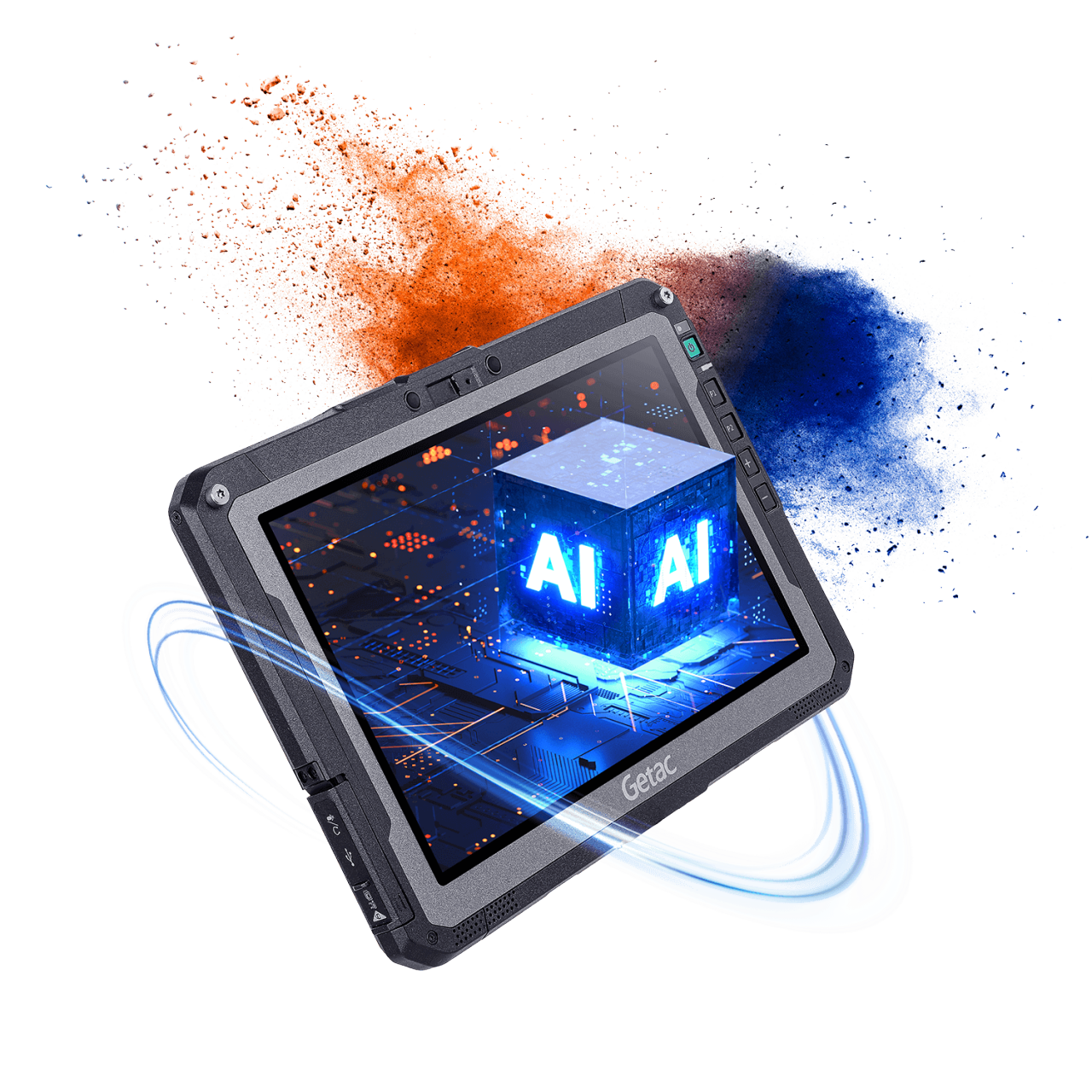
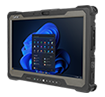
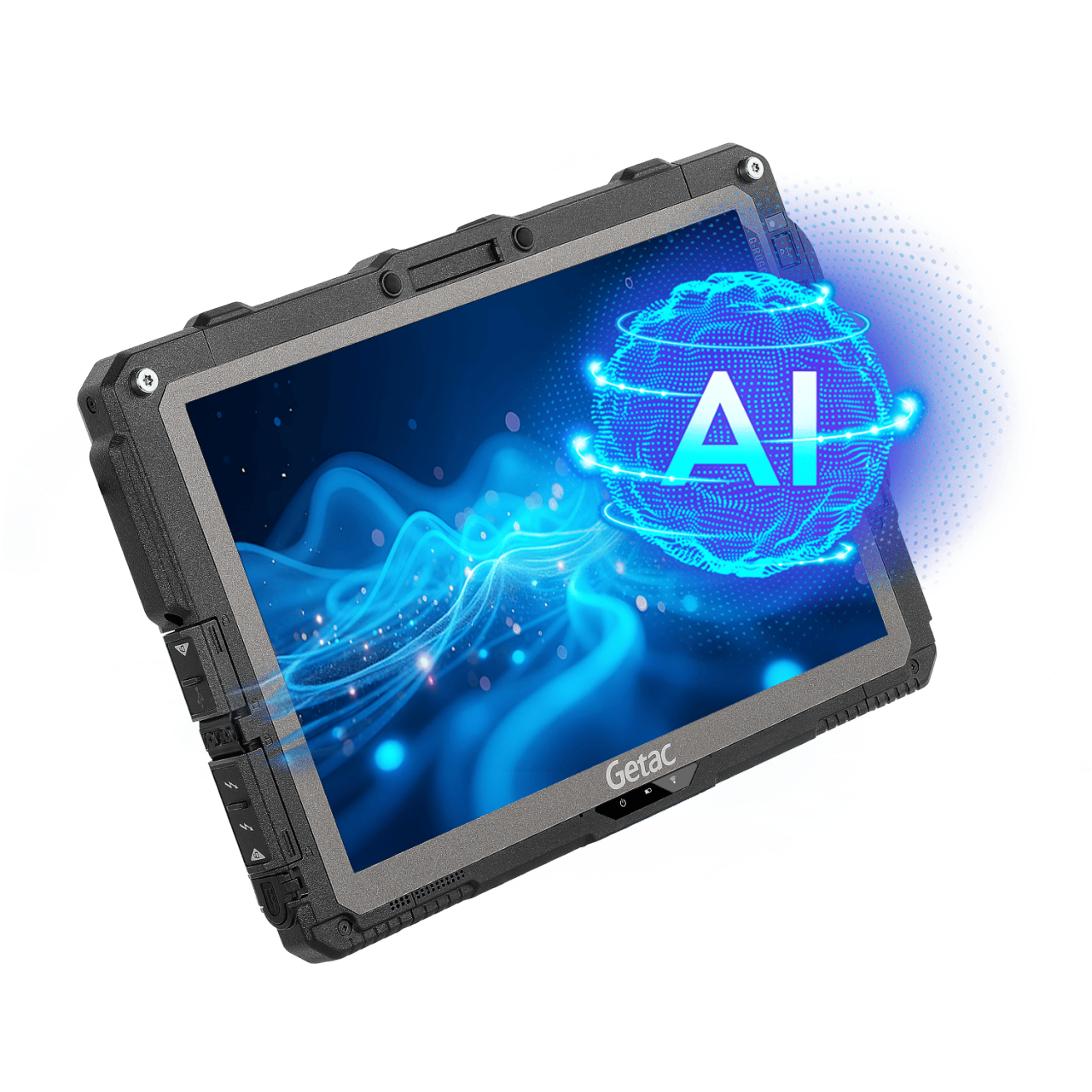
The ZX10 stands as the lightest* 10" fully-rugged Android tablet on the market, engineered to withstand harsh environments & enhanced with AI capabilities.
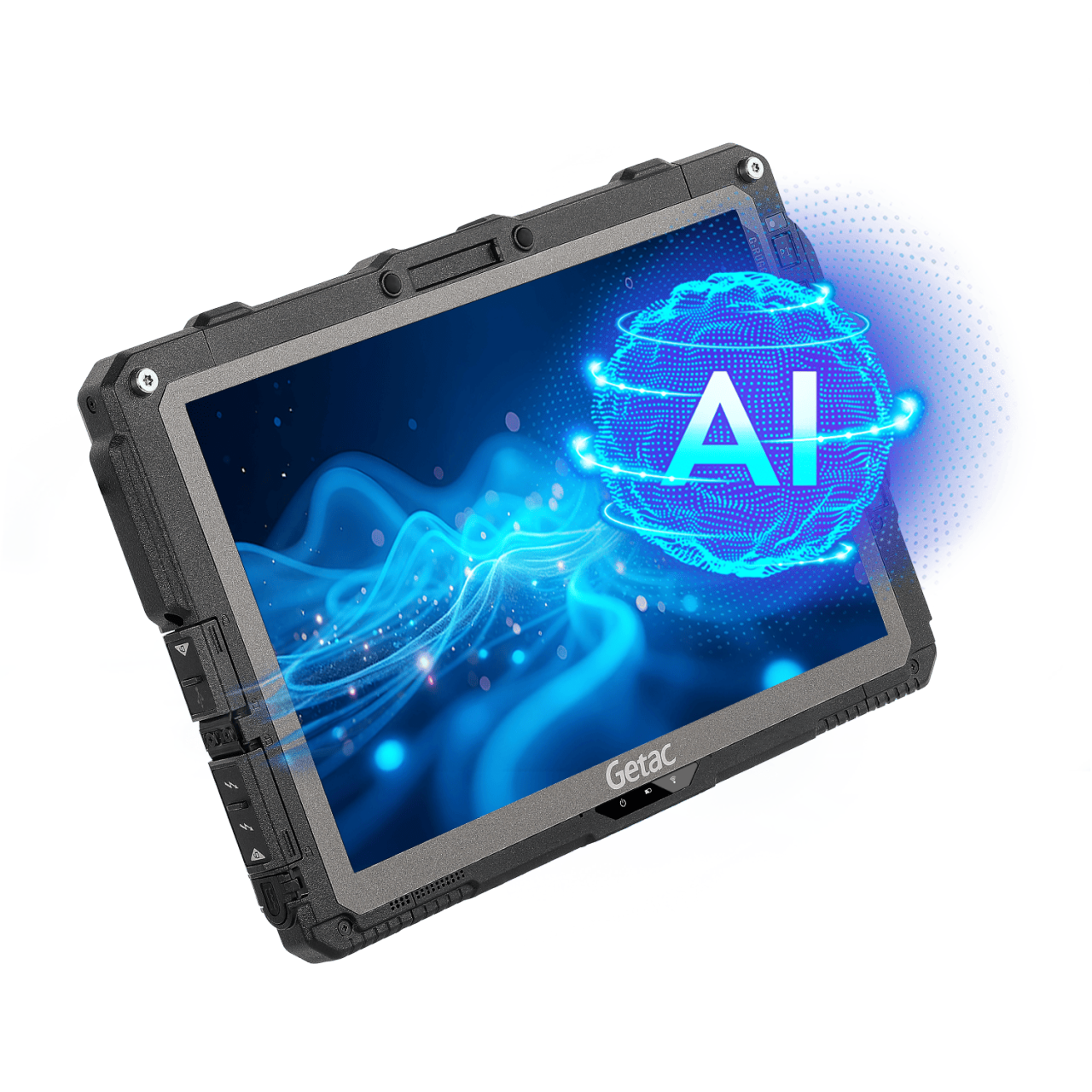
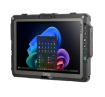
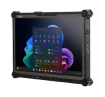
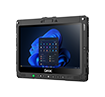
The UX10 fully rugged tablet, a Copilot+ PC, delivers ultra-fast AI processing for data collection and real-time decision-making in harsh environments.
Consumer tablets in third-party cases are not built for field use. They fail in the drop-prone environments of bus bays and rail yards, overheat in direct sun on outdoor platforms, and carry warranties that exclude the accidental damage that defines daily transit work. Getac rugged Android and Windows devices are designed from the ground up — with Bumper-to-Bumper warranty coverage that consumer hardware cannot match.

What Challenges Do Mass Transit Agencies Face with Consumer-Grade Devices?
- Managing fleet-scale device deployments across depots, maintenance facilities, rail yards, and vehicle types — from 100 to 10,000+ devices
- Keeping CAD/AVL, CMMS, and work order management platforms running on a stable, compatible Windows hardware platform
- Eliminating device failures in bus bays, outdoor platforms, and vehicle-mounted environments where consumer tablets routinely break down
- Equipping fare inspectors, paratransit drivers, and platform supervisors with portable Android devices that survive all-day field use
- Maintaining 4G/5G LTE, Wi-Fi 6/7, and depot network connectivity across transit corridors, underground rail, and remote right-of-way sections
- Meeting FTA, TAA, and Buy America procurement requirements for federally funded fleet upgrades under 5307, 5310, and 5339 programs
- Protecting passenger data and transit operations systems with multi-factor authentication and TPM 2.0 device security
Learn How Getac Supports Mass Transit Agencies

Industry-leading warranties

Advanced services to minimize downtime

Rugged and reliable devices

Docking compatibility, and accessories

Comprehensive Windows and Android portfolio

Built-in cybersecurity features

Software designed to enhance operations

Solutions that support sustainability goals
How Do Mass Transit Agencies Deploy Getac Rugged Devices Across Operations?
From bus operator CAD/AVL consoles to MOW track inspection crews, Getac rugged tablets and laptops are deployed across every major mass transit workflow — replacing consumer devices that fail in the depot, platform, and vehicle environments transit teams work in every day.
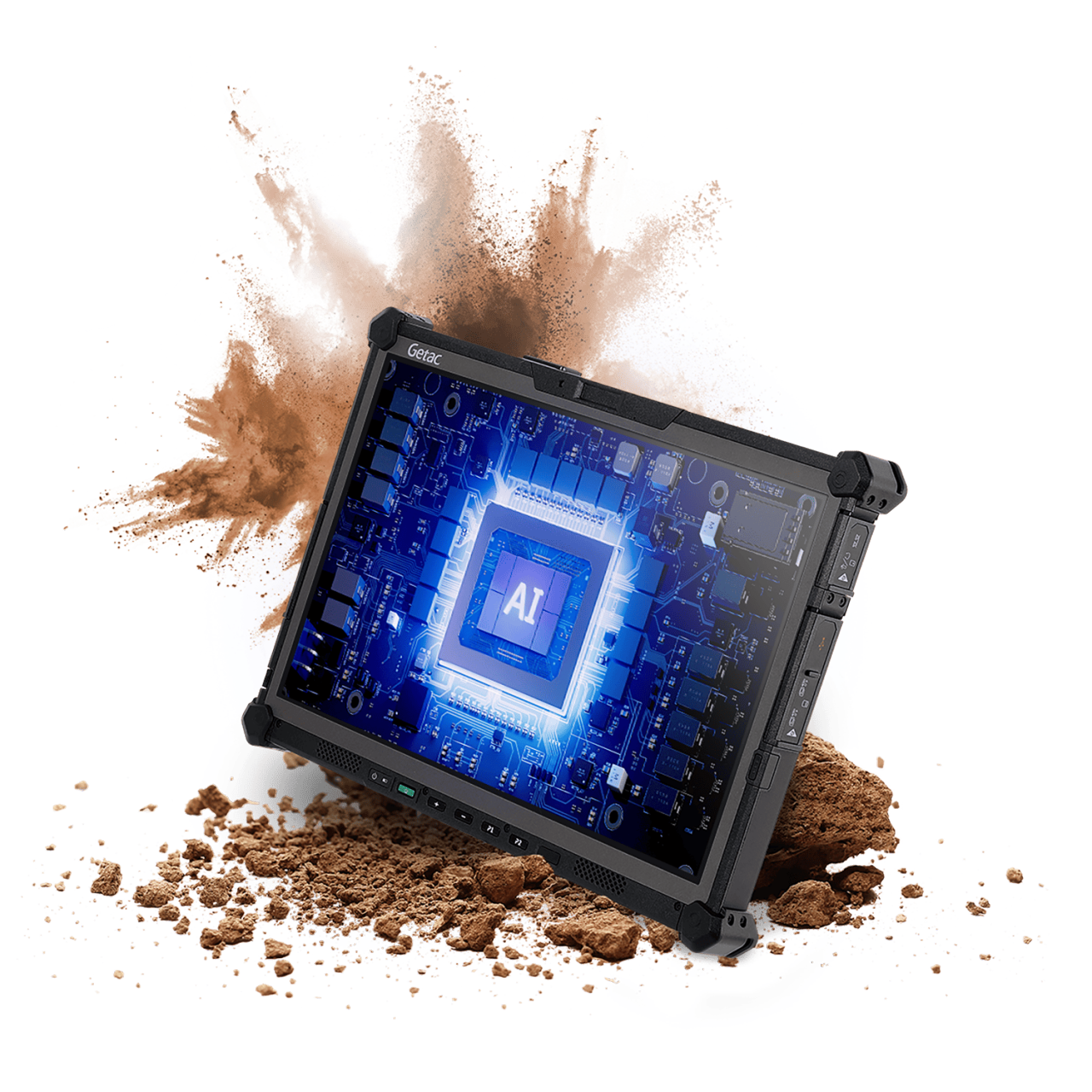
What Rugged Tablet Do Bus Operators Use for CAD/AVL Operations?
Bus operators running CAD/AVL software need a vehicle-mounted tablet with a display large enough to show route maps, dispatch communications, and passenger load data simultaneously — and a battery system that handles shift changes without taking the console offline. The Getac G140 fully rugged tablet is purpose-built for that role.
With a 14-inch 1,000-nit LumiBond sunlight-readable display, hot-swappable dual batteries, MIL-STD-810H and IP66 certification, AMD Ryzen AI processors with up to 50 NPU TOPS, and Havis and Gamber-Johnson vehicle dock compatibility, the G140 keeps operators connected to dispatch, route data, and passenger load information across every shift. Smart Touch technology handles glove input without switching modes, and Wi-Fi 7 with optional 5G keeps the console connected across transit corridors and depot networks without interruption.
How Do Transit Maintenance Departments Manage Work Orders with Rugged Devices?
Paper-based work orders in transit maintenance departments create re-entry errors, delayed approvals, and vehicles held out of service longer than necessary. Maintenance technicians need a rugged device that connects directly to CMMS and EAM platforms from the depot floor — in the same bus bay and rail yard conditions that destroy consumer tablets. The Getac F120 fully rugged tablet is built for that environment.
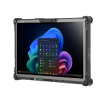
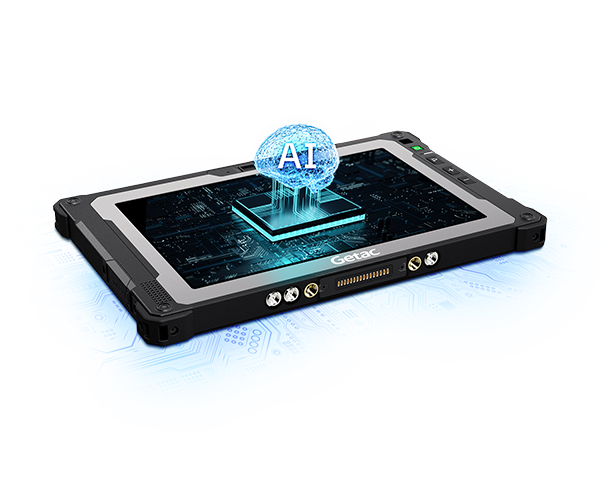
Getac rugged tablets running Windows eliminate paper-based work orders by connecting maintenance technicians directly to CMMS and EAM platforms from the depot floor. The Getac F120 fully rugged tablet handles inspection form completion, parts requests, work order sign-offs, and preventive maintenance records in bus bays and rail yard shops — keeping vehicles moving through the maintenance cycle faster and cutting the re-entry errors that delay return to service.
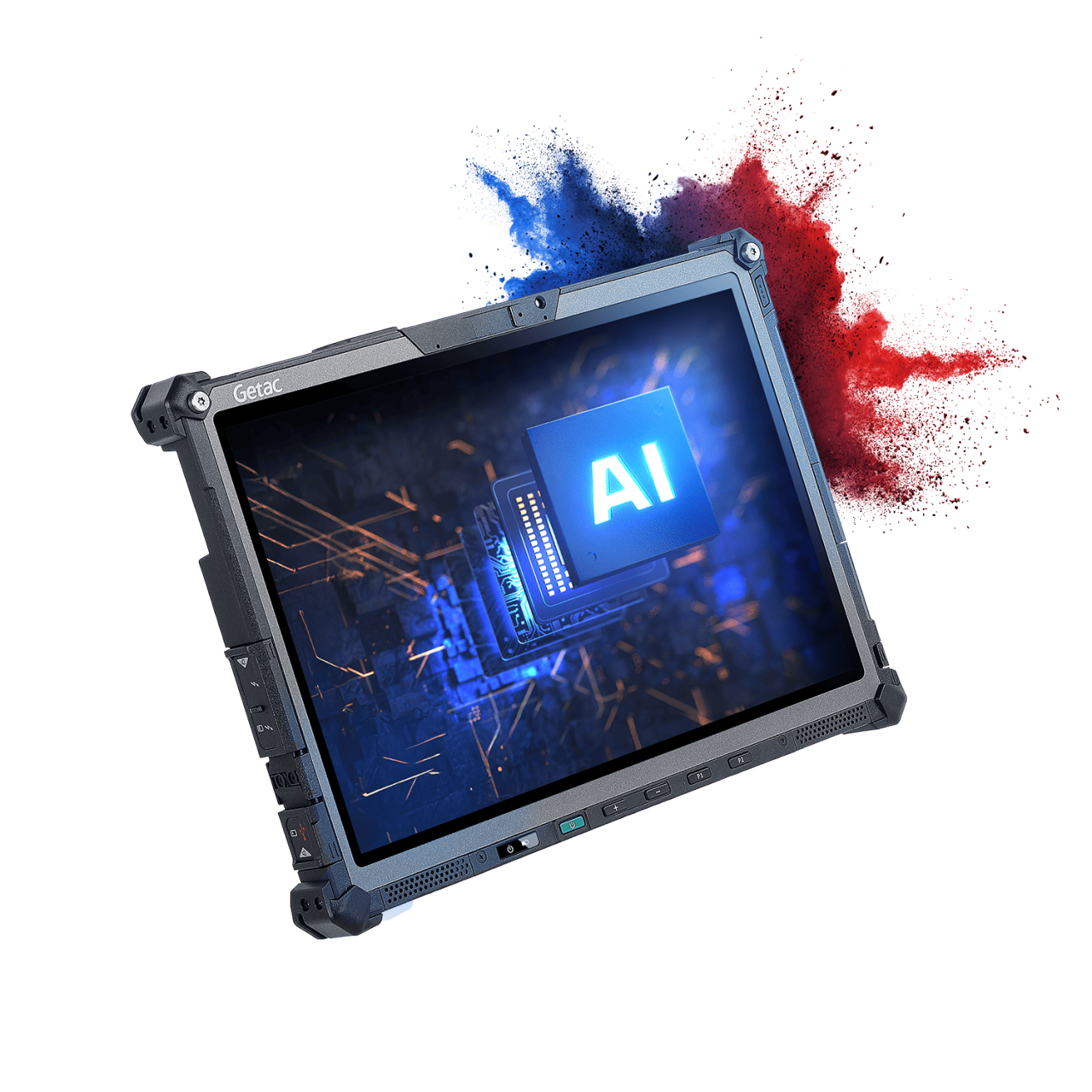
What Rugged Android Tablet Do Fare Inspectors Use in the Field?
Fare inspectors and revenue protection officers work outdoor platforms, bus aisles, and rail station environments across full shifts — covering multiple locations per day with a device that has to scan tickets, stay visible in direct sunlight, and survive the drops and weather exposure that consumer tablets cannot handle.
The Getac ZX10 fully rugged Android tablet is the standard choice for transit fare inspectors, revenue protection officers, and platform supervisors. The lightest* 10" fully-rugged Android tablet on the market, the ZX10 delivers barcode scanning for ticket validation, a sunlight-readable LumiBond display for outdoor platform use, and all-day battery life — certified to MIL-STD-810H for the drops, weather exposure, and vehicle environments that take consumer tablets offline.
What Compact Rugged Android Tablet Do Transit Platform Supervisors and Station Teams Use?
Platform supervisors, station agents, and facilities inspection teams need a rugged Android device that fits in a pocket, survives outdoor transit environments all day, and never requires a mid-shift return to a depot charging station. The Getac ZX80 fully rugged Android tablet is built for exactly that role.
At 590g, the ZX80 is the most compact fully rugged Android tablet in the Getac portfolio — certified to MIL-STD-810H and IP67, built to survive a 6-foot drop, submerge in up to one meter of water for 30 minutes, and operate across the full temperature range of outdoor transit environments. The 8-inch 1,000-nit LumiBond display stays readable on outdoor platforms in direct sunlight, the Qualcomm QCS6490 processor with Hexagon NPU handles real-time analytics and field reporting workloads, and hot-swappable dual batteries keep teams operational across full shifts without interruption.
How Do Transit IT Directors Manage Fleet-Scale Device Deployments with Getac?
Transit IT directors managing hundreds to thousands of devices across multiple depots have no single owner of the device environment — no centralized visibility into device health, no proactive management, and no way to push updates without shipping hardware back. That reactive model costs time, budget, and operational continuity across every department that depends on those devices.
The Getac UX10 Copilot+ PC rugged tablet is purpose-built for transit IT directors managing MDM platforms, device fleet monitoring, and software deployment across hundreds to thousands of devices. Compatible with enterprise MDM solutions transit IT departments already operate, the UX10 handles depot office and field use without switching hardware — and Getac's Essential Control software provides centralized monitoring, firmware updates, and device health tracking across the entire Getac transit device estate.
What Rugged Laptop Do Transit Maintenance Supervisors Use for CMMS and Work Order Management?
Maintenance supervisors managing work order queues, vehicle return-to-service schedules, and parts inventory simultaneously need a keyboard-first device with enough screen space to run multi-application CMMS environments while walking a maintenance facility — not a tablet that forces them back to a desk to complete data entry.
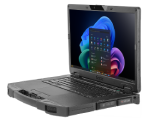
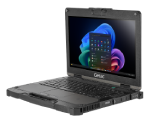
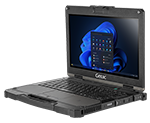
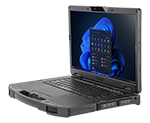
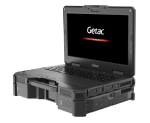
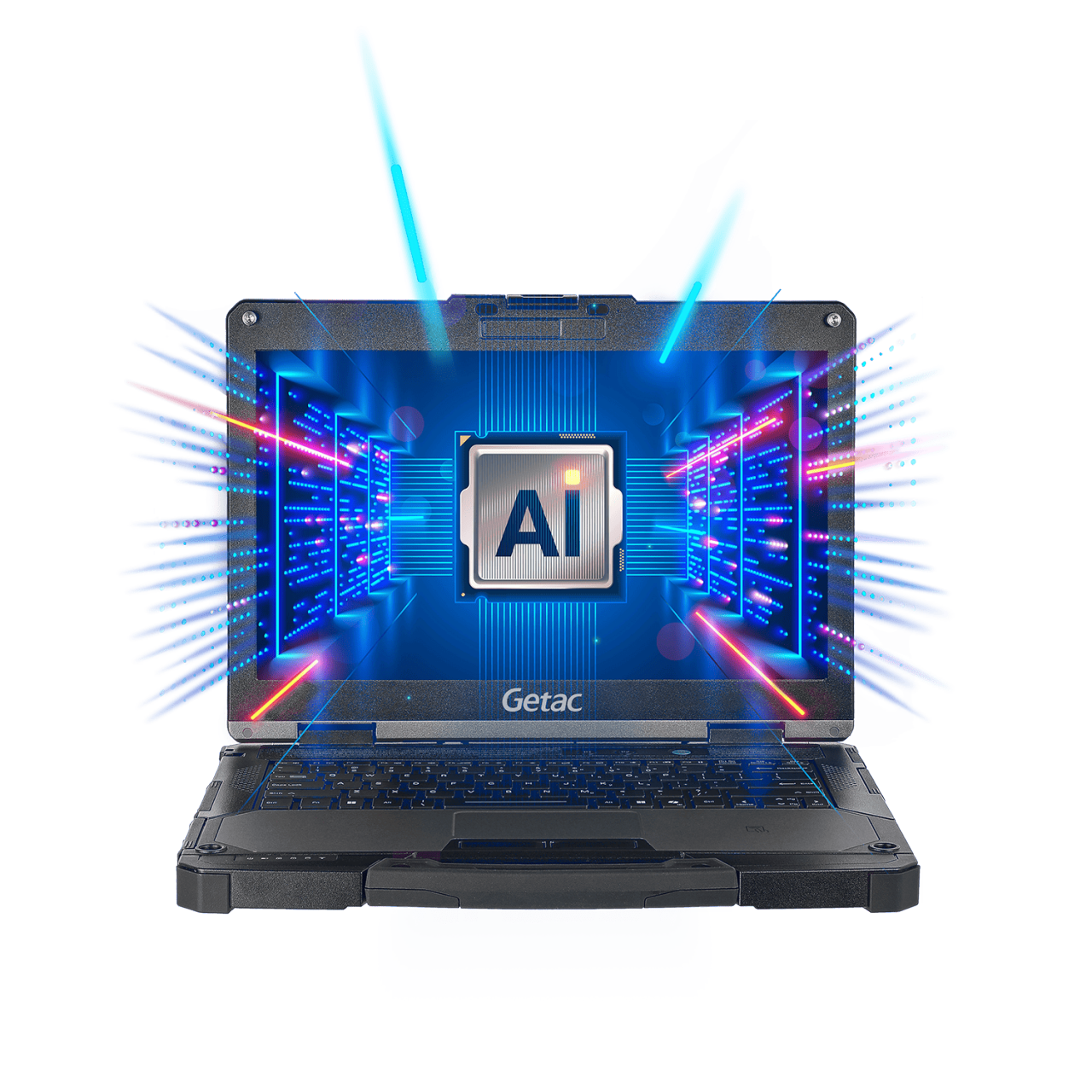
The Getac B360 fully rugged laptop gives maintenance supervisors the screen space and keyboard to manage work order queues, vehicle return-to-service schedules, and parts inventory simultaneously while walking a maintenance facility — connecting directly to CMMS and EAM platforms from the depot floor and eliminating the paper-based work order backlogs that delay vehicles getting back into service.

What Rugged Laptop Do Transit Operations Managers and Fleet Planners Use?
Transit operations managers, fleet planners, and administrative staff need a rugged laptop that handles depot environments and occasional field visits without the weight and full IP66 rating of hardware deployed in active maintenance bays and outdoor platforms. A device built for the office-to-depot workflow — not the bus bay.
Transit Operations Management · IT Administration · Fleet Planning · Training Coordination
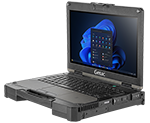
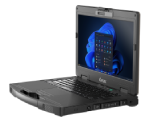
The Getac S510 semi-rugged laptop, certified to MIL-STD-810H and IP53, gives transit directors and operations managers the processing power and screen space to run multi-application operations workloads from both office and depot environments. The 15.6-inch 1,000-nit LumiBond display handles both settings, Intel Core Ultra processors with Intel AI Boost NPU power fleet reporting, scheduling, and MDM administration workloads, and Wi-Fi 7 keeps depot and office connectivity fast. Vehicle dock compatibility with Havis and Gamber-Johnson extends the S510 into vehicle-mounted supervisor workstation deployments for teams that need laptop capability in the field.
What Fully Rugged Convertible Laptop Do Transit Directors and Operations Supervisors Use?
Transit directors and operations supervisors move between boardroom, depot office, and active field environments across every shift — and carrying a separate laptop and tablet to cover both settings adds weight, cost, and a device management problem that lean transit IT teams don't need.
Transit Operations Management · IT Administration · Field Supervision
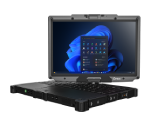
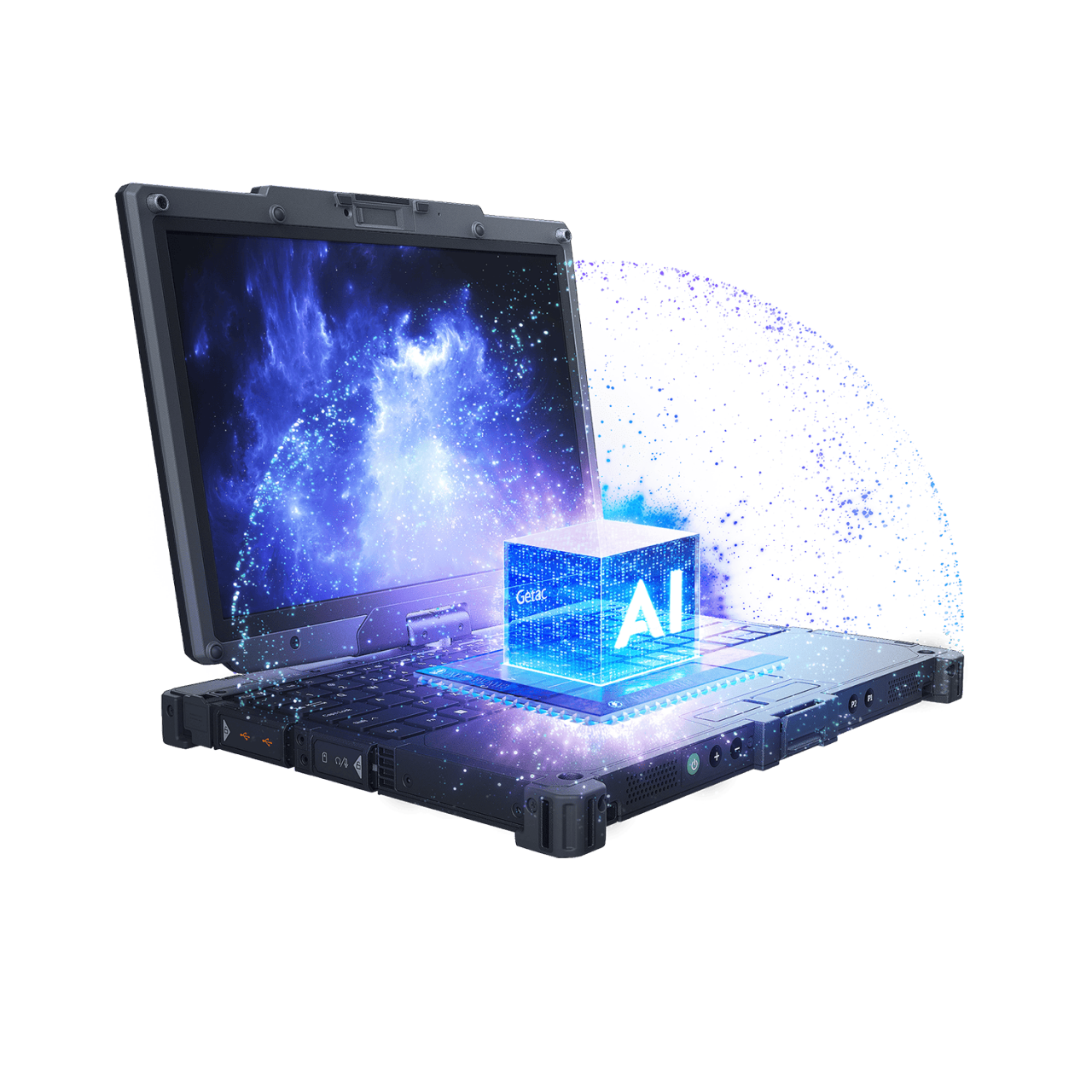
The Getac V120 fully rugged convertible laptop, certified to MIL-STD-810H, IP66, and MIL-STD-461G, handles every transit management workload in a single device. The 12.2-inch 1,000-nit LumiBond display, Intel Core Ultra Series 2 processors with Intel AI Boost NPU, dual Thunderbolt 4 ports, and Wi-Fi 7 power the operations dashboards, MDM platforms, fleet reporting, and scheduling workloads transit management teams run daily. LifeSupport hot-swappable dual batteries keep the V120 running across full shifts without a charging interruption, and the convertible form factor flips between laptop and tablet modes for depot floor use and boardroom presentations without switching hardware. Vehicle dock compatibility with Havis and Gamber-Johnson extends the V120 into vehicle-mounted supervisor workstation deployments.
What Happens When a Transit Agency Standardizes on Rugged Hardware?
For most large transit agencies, the device problem isn't one department — it's every department. IT, operations, and maintenance teams running different hardware, no standardization across the organization, and no single owner of the device environment. The result is a reactive IT model, field workers returning to depots mid-shift to finish tasks on failing hardware, and maintenance backlogs that keep vehicles out of service longer than they need to be.
Devices deployed across transit operations face conditions that consumer hardware was never designed for — vehicle vibration, extreme weather, and the grease and moisture exposure of active maintenance bays. When those devices fail, the cost isn't just a repair ticket. It's delayed work orders, incomplete inspection records, and field workers who can't do their jobs until IT catches up.
Transit agencies that standardize on a single Getac rugged computing platform across fleet operations, track inspection, and depot maintenance shift IT from reactive repairs to proactive management. Supervisors, maintenance crews, and operations teams work from the same hardware — built for the same field conditions — with centralized device visibility that keeps the entire fleet running instead of waiting on replacements.
Field workers complete maintenance and inspection tasks in real time, where the work actually happens — without returning to depots to finish reports on hardware that should have worked in the field. That's what a standardized rugged platform delivers across a transit operation built to move.

Which Transit Modes Use Getac Rugged Devices?
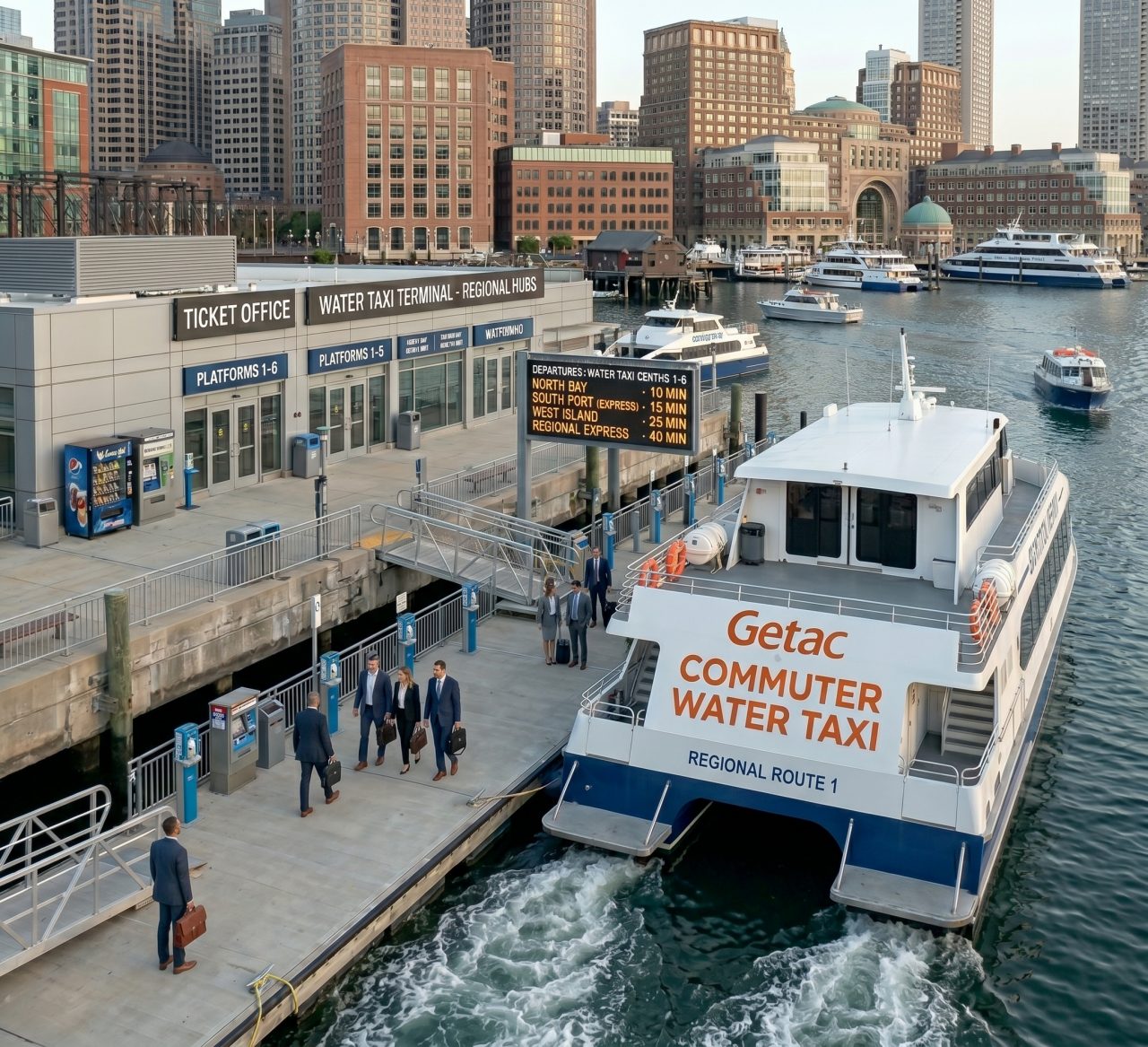
Getac rugged tablets and laptops are deployed across every major transit mode in North America — from high-frequency urban bus networks to commuter rail corridors, light rail systems, heavy rail and subway operations, and passenger ferry services. One rugged hardware platform built for every environment transit teams work in every day.
Every transit mode runs different workflows, different software platforms, and different field conditions. Bus operators need vehicle-mounted CAD/AVL consoles. Rail maintenance crews need MIL-STD-810H certified laptops that survive track environments. Ferry operations need IP-rated devices built for marine exposure. Getac's rugged Windows and Android portfolio covers every role across every mode — with the vehicle docking compatibility, MDM support, and Bumper-to-Bumper warranty coverage transit agencies depend on at fleet scale.

How Does Getac Support Bus Operations?
Bus operations run on real-time data — CAD/AVL dispatch, route management, passenger loads, and fare collection happening simultaneously across hundreds of vehicles and dozens of routes. Consumer devices fail in vehicle-mounted environments under daily vibration, temperature swings, and the physical demands of an active bus cab. Getac rugged tablets and laptops are built for in-vehicle operator consoles, depot maintenance workflows, and field supervisor use — keeping bus operations connected and moving across every shift.
How Does Getac Support Light Rail Operations?
Light rail teams move between outdoor platforms, onboard vehicles, and maintenance facilities across every shift — working in environments that range from direct sun exposure to depot shop conditions. Devices that can't handle that range become a liability. Getac rugged tablets and laptops give light rail operations managers, maintenance technicians, and IT supervisors a single hardware platform that performs across every environment light rail teams work in, without switching devices between roles.

How Does Getac Support Heavy Rail Operations?
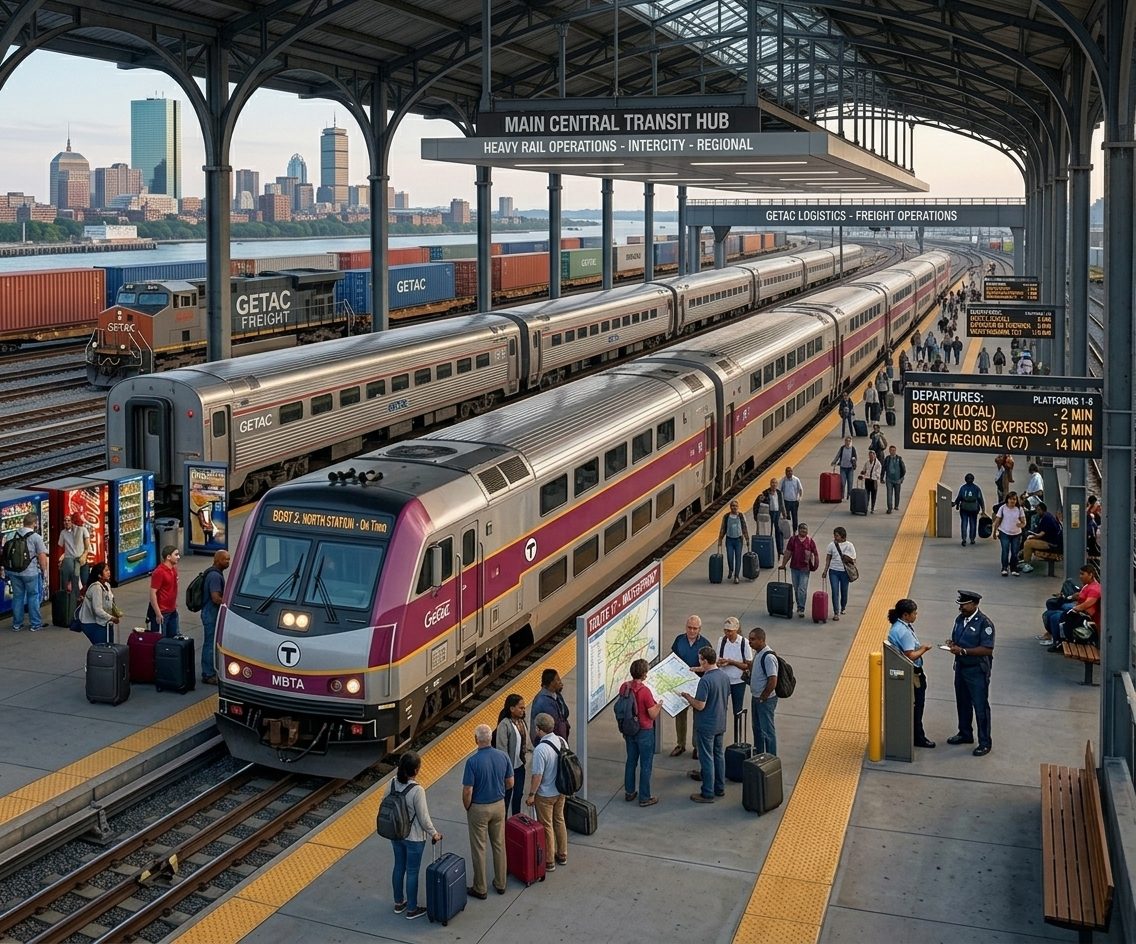
Heavy rail networks operate around the clock across some of the most demanding environments in public transit — maintenance yards, active track corridors, underground infrastructure, and high-throughput depot operations. Device failure in a heavy rail environment means delayed work orders, incomplete inspection records, and vehicles held out of service. Getac rugged devices certified to MIL-STD-810H keep heavy rail maintenance supervisors, MOW crews, and operations teams productive across every condition on the network.
How Does Getac Support Subway Operations?
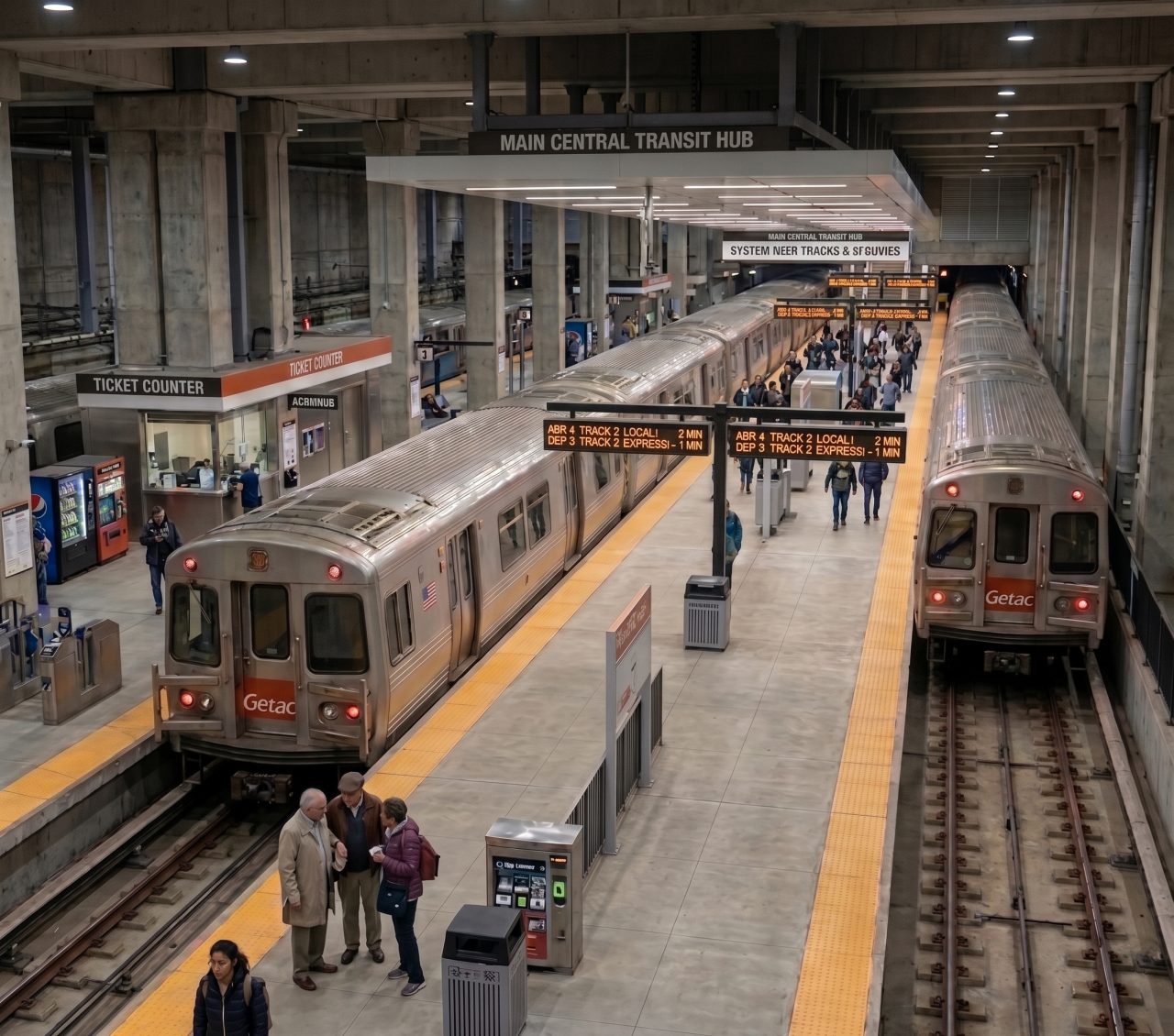
Underground rail operations demand devices that maintain connectivity, survive tunnel environments, and keep maintenance crews and operations teams productive below grade — where consumer hardware loses signal and fails under the vibration, humidity, and physical demands of active subway infrastructure. Getac rugged devices are built from the chassis up for the underground environments, platform conditions, and depot shops that subway teams work across every shift.
How Does Getac Support Commuter Rail Operations?
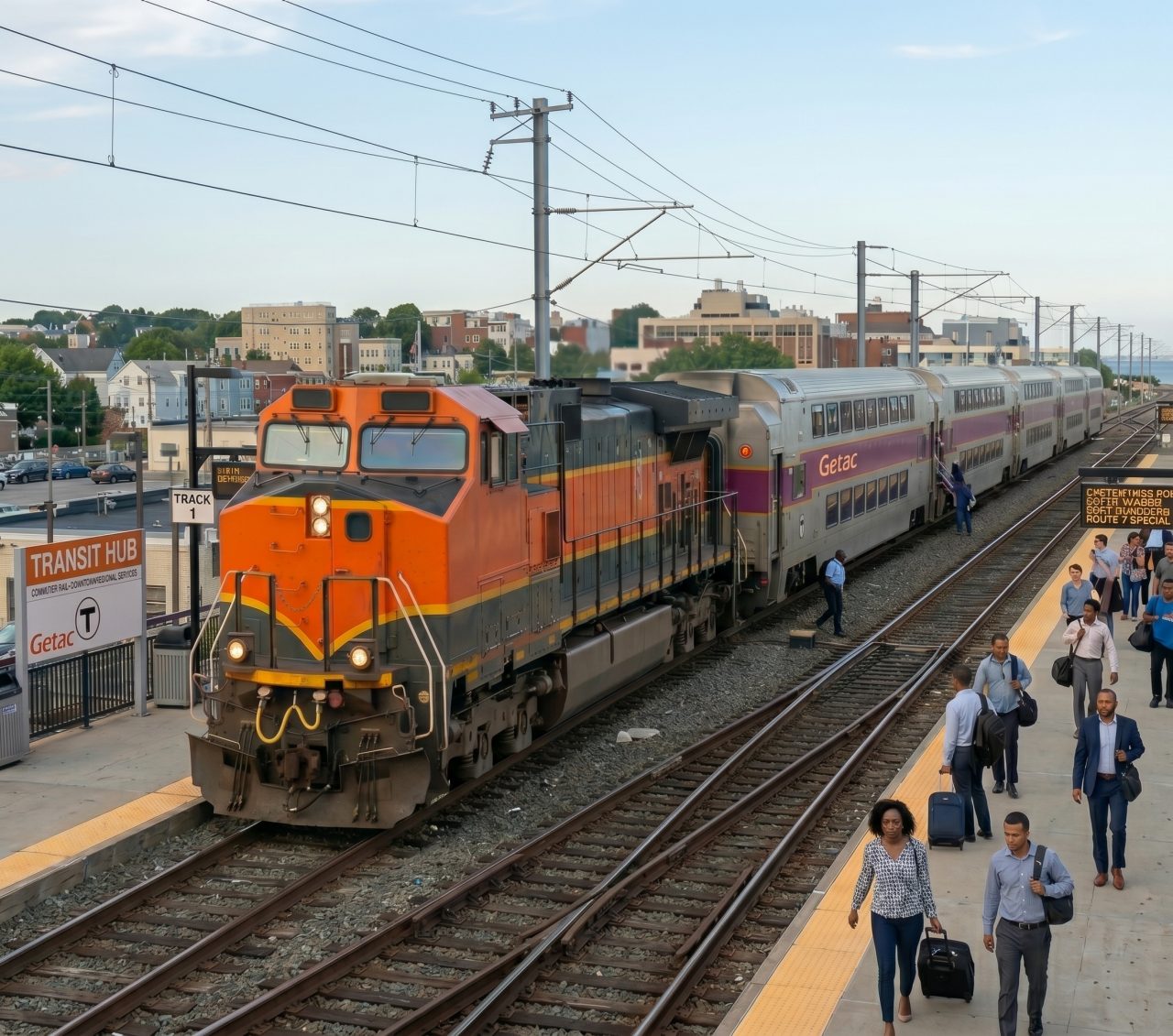
Commuter rail agencies connect stations across multi-county service areas — running crew management, station supervision, depot maintenance, and corridor IT operations simultaneously across distributed teams. Managing multiple device platforms across those departments creates training complexity, procurement inefficiency, and IT overhead that lean operations teams can't absorb. Getac gives commuter rail agencies a single rugged hardware platform that covers every role from onboard crew to depot maintenance supervisor.
How Does Getac Support Passenger Ferry Operations?
Passenger ferry operations face device conditions that most transit environments don't — salt air, moisture exposure, vessel vibration, and the outdoor demands of marine terminals and vessel decks. Consumer devices fail quickly in marine environments. Getac IP-rated rugged devices give ferry operations and maintenance teams hardware built to perform where the water is — keeping crew management, vessel maintenance, and passenger operations running regardless of the conditions outside.
Keep Your Transit Fleet Running with Getac
Getac delivers more than rugged hardware — every fully rugged device comes backed by a 3-year Bumper-to-Bumper warranty, the Self-Maintainer Program for in-house repairs, and Getac Essentials (Monitoring & Security) for centralized monitoring, firmware updates, and lifecycle management across your entire transit device fleet.
In transit operations, device downtime means operators working without CAD/AVL, technicians logging work orders on paper, and fare inspectors with no equipment. At Getac, we deliver more than rugged devices and software — we offer comprehensive warranties and support to keep your fleet running.

Comprehensive Warranty & Coverage
- Total Warranty Cover: Includes accidental damage to reduce repair costs and downtime.
- Bumper-to-Bumper Protection: Fixed costs with no surprises, giving you peace of mind.
- Fast Replacement: If we can't repair your device, we'll replace it with one of equal or better specs.

Advanced Service & Repair Solutions
- Getac Service System (GSS): Track and manage repairs from return to delivery.
- Return-to-Base Service: 3 years of repairs with genuine parts and qualified technicians.
- Self-Maintainer Program: Perform in-house warranty repairs.

Built for Uptime
- BIOS and firmware updates to address vulnerabilities with Intel and Insyde Software.
- Security updates to safeguard your systems and keep operations secure.

Additional Services for Maximum Control
- Drivers & Documents: Quick access to essential updates.
- Getac Recovery Service: Simple solutions to restore device functionality.
- Extended Warranty Options: Add accidental damage or Keep Your SSD Warranty for extra peace of mind.
With Getac, you're not just buying a device — you're investing in reliable tools and support to help you maximize uptime for your telecom operations.
Total Cost of Ownership
Consumer-grade devices fail at higher rates in transit field conditions, carry warranties that exclude accidental damage, and offer no path to in-house repair programs or fleet monitoring platforms. Getac rugged devices reduce total cost of ownership through lower failure rates, Bumper-to-Bumper warranty coverage, and the Self-Maintainer Program — purpose-built for fleet-scale transit deployments.
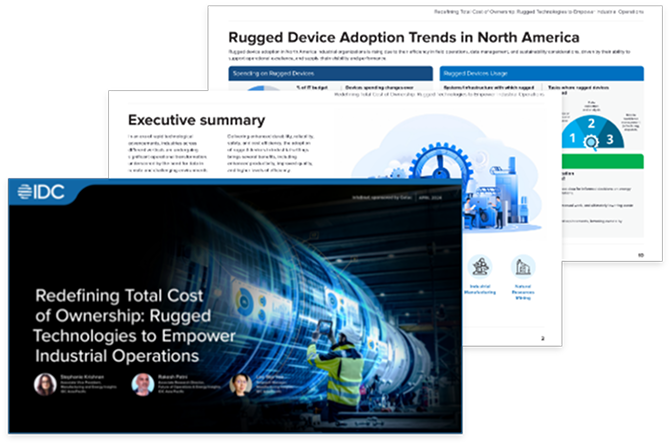
Rugged devices are transforming telecom field operations by integrating with network management platforms, boosting technician productivity with real-time data, and reducing device failure risks.
The IDC InfoBrief explores these challenges, cost benefits, and tips for picking the right vendor.
Key insights include:
- Cutting costs with better TCO.
- Improving sustainability through energy and waste management.
- Selecting the right vendor for long-term success.
Frequently Asked Questions
The following questions and answers cover the most common queries from transit IT directors, fleet operations managers, maintenance supervisors, and procurement teams evaluating rugged device solutions for bus operations, rail maintenance, fare inspection, and fleet-scale device management.
What rugged tablets work with CAD/AVL software for bus and rail operations?
The Getac K120 fully rugged tablet with its 12.5-inch sunlight-readable LumiBond 2.0 display, hot-swappable batteries, and vehicle-dock compatibility with Havis and Gamber-Johnson mounting systems is the primary choice for bus operator CAD/AVL console deployments. For lighter field supervisor access to CAD/AVL data, the Getac UX10 Copilot+ PC rugged tablet delivers Windows-based access in a form factor that works on a platform or in a depot office.
What Getac devices are best for transit maintenance technicians?
Transit maintenance technicians working in bus bays, rail yards, and depot shops need rugged devices that withstand grease, vibration, fluid exposure, and the daily drops of an active mechanical work environment. The Getac F120 fully rugged tablet handles hands-on inspection and work order management from the depot floor and the Getac B360 fully rugged laptop gives maintenance supervisors running CMMS and EAM platforms the screen space and keyboard to manage work order queues while walking a maintenance facility. Both are certified to MIL-STD-810H from the chassis up.
Does Getac support vehicle-mounted installations in transit buses?
Yes. Getac rugged tablets are compatible with Havis and Gamber-Johnson vehicle docking systems, the two most widely deployed vehicle-mount providers in North American transit fleets. The Getac K120 fully rugged tablet supports hot-swap battery operation and vehicle-dock mounting for bus operator CAD/AVL consoles. Getac's professional services team provides vehicle installation consultation as part of fleet deployment support, covering in-vehicle mounting layout, power setup, and dock integration planning.
What rugged Android devices does Getac offer for fare inspection and platform operations?
The Getac ZX10 fully rugged Android tablet is built for transit field roles where mobility, barcode scanning, and all-day battery life are the priorities. For fare inspectors, platform supervisors, and paratransit dispatch operators already running Android apps for ticketing and scheduling, the ZX10 delivers that familiar platform in a device engineered for the outdoor and vehicle environments that consumer tablets cannot survive. The ZX10 stands as the lightest* 10" fully-rugged Android tablet on the market.
Can Getac devices run transit MDM platforms for fleet-wide device management?
Yes. Getac Windows and Android rugged devices are compatible with enterprise MDM platforms used by transit IT departments for remote device management, application deployment, policy enforcement, and fleet monitoring. Getac's own Essential Control software provides device monitoring, management, and firmware update capability for Getac device fleets and can be used alongside third-party MDM solutions already deployed by transit IT departments.
What certifications do Getac mass transit devices carry?
Getac rugged devices for transit operations are certified to MIL-STD-810H for drop, vibration, temperature, humidity, and altitude resistance. Select models carry IP ratings for dust and water ingress protection, important for outdoor platform environments, transit depots, and maintenance shops exposed to weather and wash-down cleaning. All devices support 4G/5G LTE and Wi-Fi connectivity. Contact Getac to confirm IP rating and connectivity specifications for the specific models under evaluation for your transit deployment.
What Getac solutions are available for paratransit and demand-response operations?
The Getac ZX10 fully rugged Android tablet handles paratransit driver manifests, ADA trip scheduling, and demand-response dispatch on the Android platform paratransit teams already run. For agencies using Windows-based paratransit scheduling software, the Getac UX10 Copilot+ PC rugged tablet delivers the processing power those applications require in a fully rugged, vehicle-mountable chassis that survives the daily conditions paratransit drivers work in across a full shift.
How does Getac reduce total cost of ownership for transit agencies?
Getac reduces total cost of ownership through lower device failure rates, Bumper-to-Bumper warranty coverage that includes accidental damage, and the Self-Maintainer Program that allows transit IT teams to handle in-house warranty repairs at scale. Consumer-grade devices fail at higher rates in transit environments including maintenance shops, outdoor platforms, and vehicle-mounted daily use and each failure creates a repair ticket, a device-down period, and an operational disruption that Getac's purpose-built rugged hardware eliminates.