











Key Takeaways
- Getac rugged laptops and tablets help utility teams execute utility asset management in the field with MIL-STD-810H and up to IP66/IP67 protection, sunlight-readable displays, hot-swappable batteries, and true mobile connectivity (Wi‑Fi 6E/7, 4G/5G Sub-6, GPS).
- Copilot+ PCs AI-ready devices like S510 AD, F120 and UX10 support predictive maintenance and condition-based monitoring by capturing high-quality data (e.g., 13MP cameras, barcode/RFID) and running AI-assisted workflows on-device.
- EX-certified options (e.g., UX10‑EX, ZX10-EX, ZX80‑EX) extend mobile asset management into hazardous environments, supporting water, gas, and electric utility operations safely and compliantly.
- Getac software (Getac Essentals Suite: Monitoring, Management, OEMConfig; KeyWedge; Driving Safety; Virtual‑GPS) reduces device downtime, streamlines deployment, and improves in-vehicle safety, so field teams stay productive and connected.
- Integration with EAM, GIS, and inspection platforms, plus accessories and vehicle docks, enables reliable, real-time updates from substations, treatment plants, and remote corridors.
Solutions for Asset Management in Utilities
What is utility asset management and why does it matter?
Utility Asset Management is the coordinated activity of realizing value from utility assets—including infrastructure, equipment, and technology—by balancing cost, risk, and performance to meet organizational objectives. For electric, water, and wastewater utilities, strong asset performance management helps:
- Ensure uninterrupted service and resilience
- Reduce downtime and O&M costs
- Improve regulatory compliance and customer satisfaction
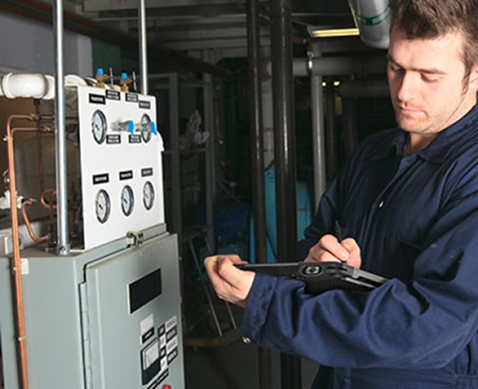

How do asset management principles guide lifecycle decisions?
Asset management spans the full lifecycle: plan, acquire, operate, maintain, and dispose/renew. A structured program:
- Aligns maintenance with risk and criticality
- Supports data-driven capital planning
- Extends asset life with condition-based strategies
Importance of Asset Management in the Utility Industry
How does effective asset management improve outcomes?
- Reliability: fewer outages and service interruptions
- Efficiency: targeted maintenance and optimized truck rolls
- Safety: better situational awareness for crews
- Compliance: auditable records and standardized procedures
Getac’s Utility Asset Management Solutions
How do Getac devices address harsh utility environments?
- MIL-STD-810H and up to IP66/IP67 ratings withstand dust, water, vibration, and drops
- Sunlight-readable LumiBond displays (up to 1,400 nits) support glove and rain touch
- Hot-swappable batteries minimize downtime during long shifts
Featured Windows Rugged Devices
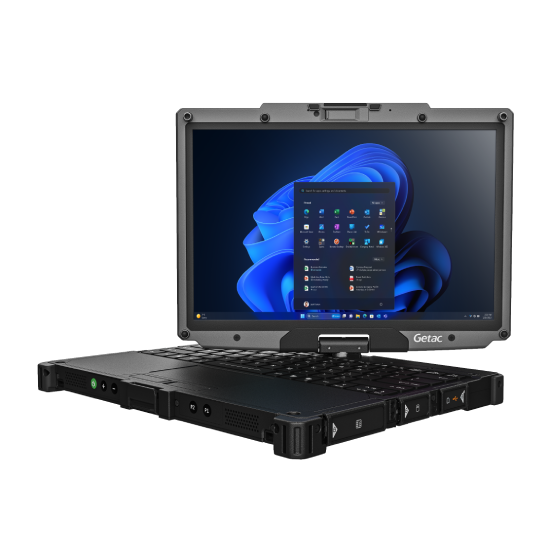
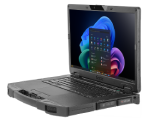
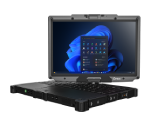
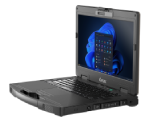
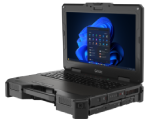
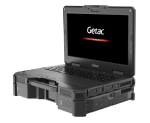
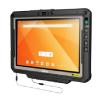
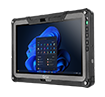
Fully Rugged Convertible
V120
MIL‑STD‑810H, MIL‑STD‑461G, IP66; Wi‑Fi 7; hot-swappable batteries; optional RFID/barcode; multiple work modes (laptop/tablet/presentation)
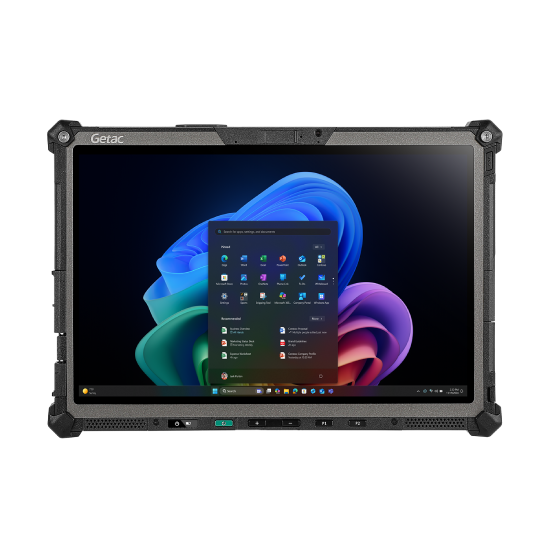
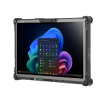
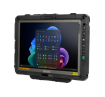
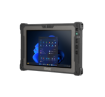
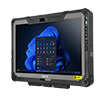
Fully Rugged Copilot+ PC Tablet
F120
Intel Core Ultra with Intel AI Boost (up to 48 TOPS); Wi‑Fi 7; dual Thunderbolt 4; IP66; 6 ft drop; sunlight-readable 12.2" display; optional RFID/barcode; hot-swappable dual batteries
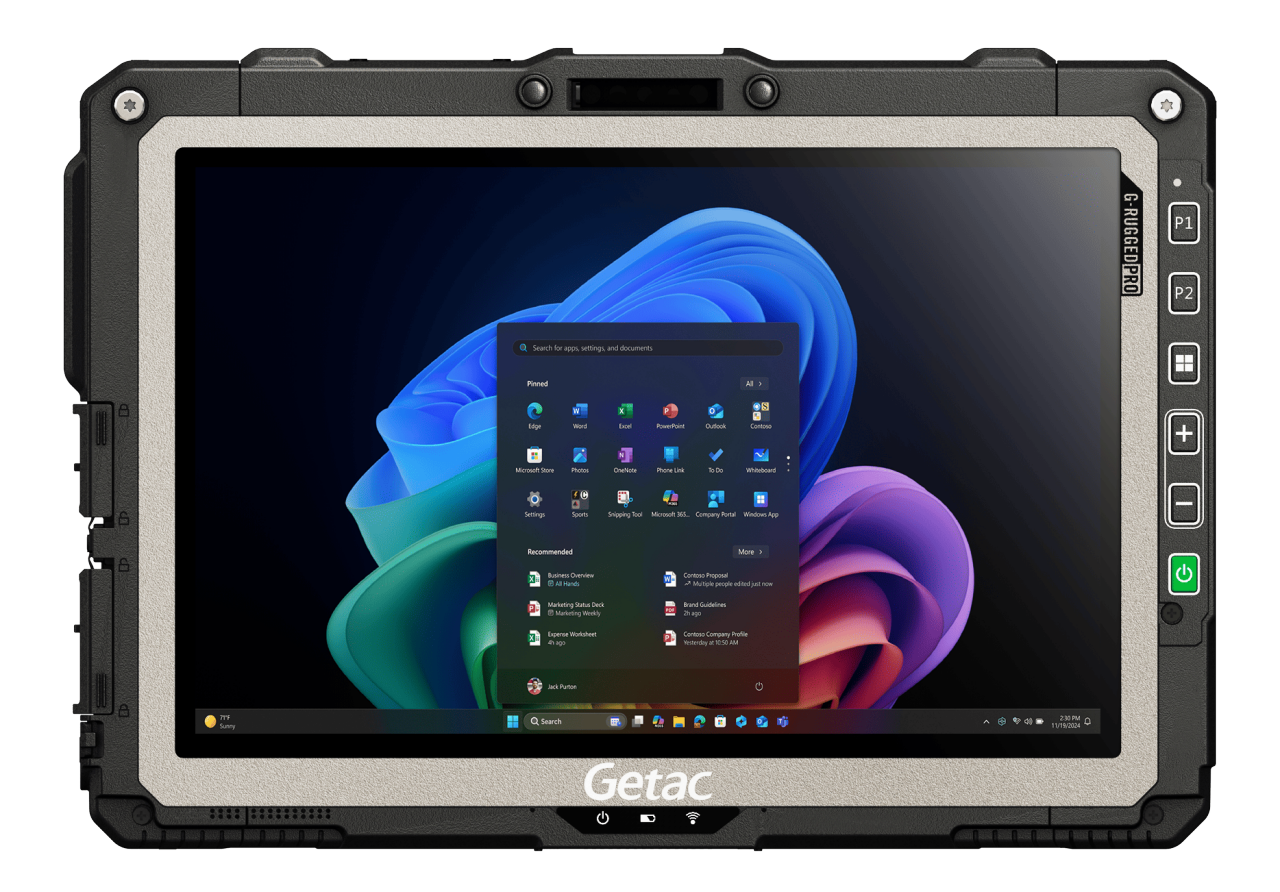
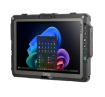
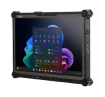
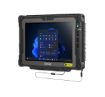
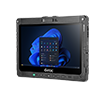
UX10‑EX Available
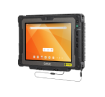
UX10
Intel Core Ultra with AI Boost; Wi‑Fi 7; IP66; 6 ft drop; optional bridge battery for hot-swap; optional RFID/barcode
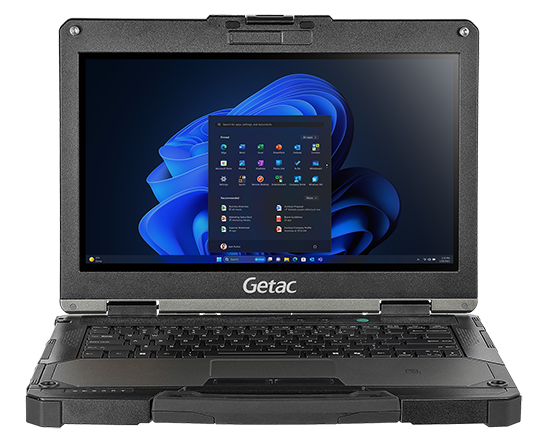
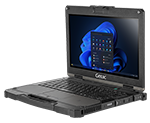
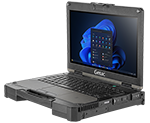
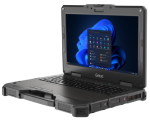
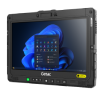
Fully Rugged Laptop
B360
13.3" FHD with high-brightness display; MIL‑STD‑810H; proven field reliability
Featured Android Rugged Devices
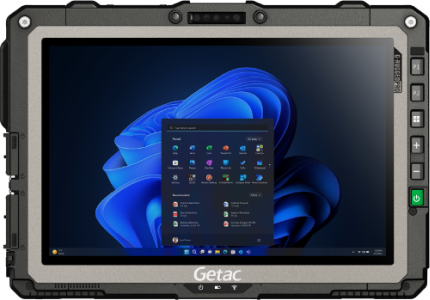
ZX10‑EX available
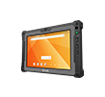
ZX10
Qualcomm QCS6490 with on-device AI; Wi‑Fi 6E; optional 5G; IP66; 6 ft drop; hot-swappable dual-battery options; optional NFC and barcode
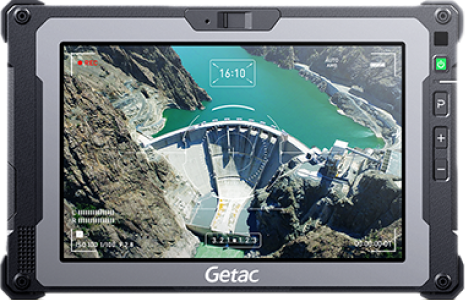
ZX80‑EX available
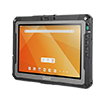
ZX80
Qualcomm QCS6490 with AI; Wi‑Fi 6E; optional 5G; IP67; 6 ft drop; optional dedicated L1/L5 GPS; EX variant for hazardous locations
Also Consider
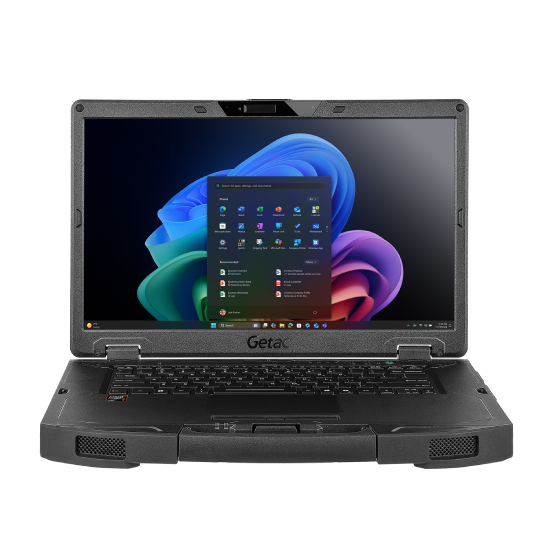
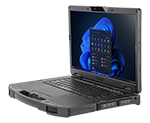
Copilot+ PC
S510AD
Copilot+ PC with Intel/AMD AI NPUs, optional 4G/5G, and extended battery options for mixed office–field roles
What software helps reduce downtime and streamline management?
Getac Essentials Suite

Essential Control
Monitoring (device health, battery, utilization, location), Management (Android enrollment/configuration), OEMConfig for advanced Android settings via AER-compliant EMM
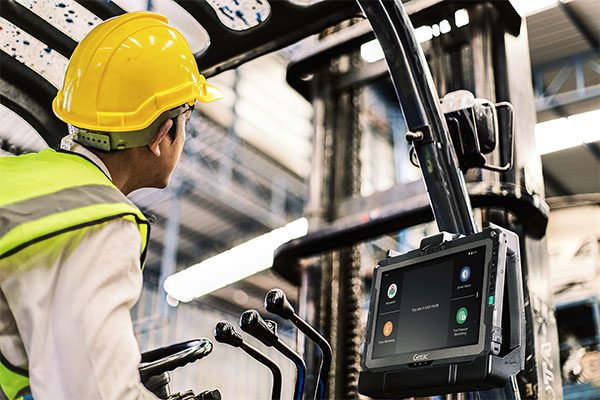
Essential Apps
KeyWedge (barcode via rear camera on Windows), Driving Safety (in-vehicle distraction reduction), Virtual‑GPS (replicate GPS to multiple apps for legacy compatibility)

Essential Utilities
SmartUpdate (OTA firmware/software), G‑Camera, Barcode Manager, Diagnostic/Log Tool, and G‑Utility for user control
Operational Challenges in the Utilities Industry

How can utilities handle contactless monitoring and remote work?
Rugged mobile devices with high-brightness displays, long battery life, and secure connectivity enable remote inspections, digital permits, and remote assistance—reducing site visits and improving safety.

What role does 5G/Wi‑Fi 6E/7 play in field productivity?
High-throughput, low-latency connectivity supports real-time EAM/GIS access, digital twins, and video collaboration from remote corridors and densely built environments.

How can utilities meet rising customer expectations?
Faster fault location, accurate ETAs, and proactive maintenance depend on reliable data capture in the field. Getac devices streamline this with integrated GPS, cameras, barcode/RFID, and programmable buttons for one-touch workflows.

How do sustainability and labor shortages influence technology decisions?
Mobile tools capture data for grid modernization and water loss reduction programs. Additionally, AI-assisted work instructions and standardized digital workflows help address the skilled labor shortage by reducing training time and increasing first-time fix rates.
Additional Resources
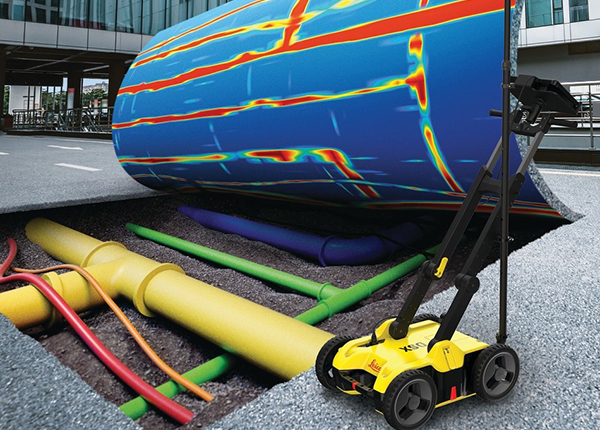
Leica Geosystems is revolutionizing underground mapping work with Getac
Remica uses Getac T800 rugged tablets to deliver their energy-savings solutions with greater efficiency
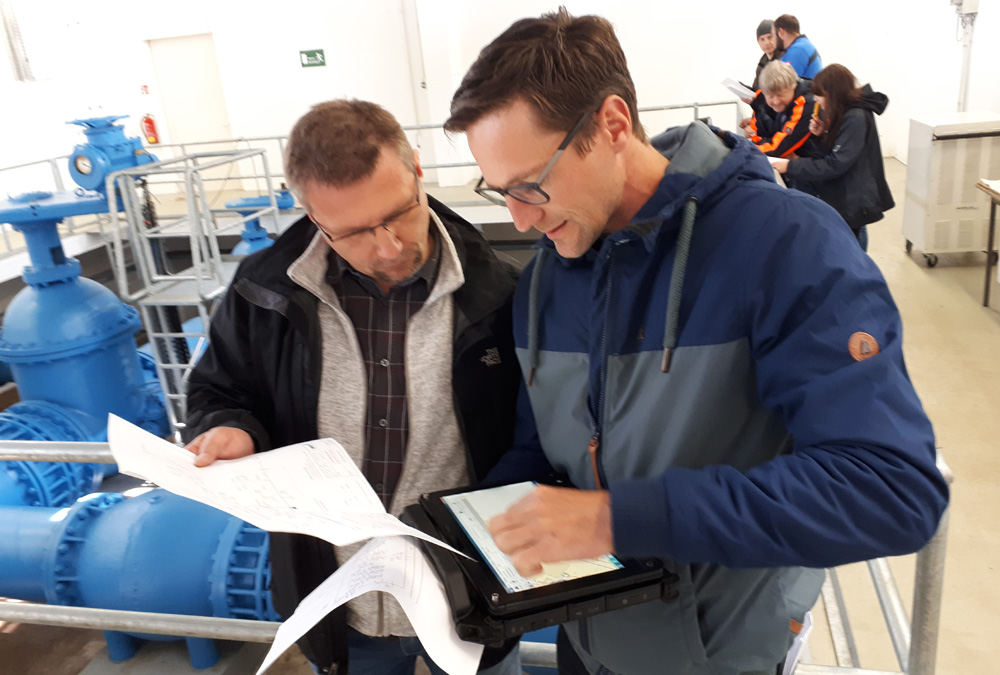
Leipziger Wasserwerke – CHOOSE THE FULLY RUGGED GETAC NOTEBOOK V110
Utility Asset Management Tools and Technologies

How does GIS and EAM strengthen utility operations?
GIS provides spatial visualization that clarifies asset location and identifies vulnerabilities to inform capital plans. Simultaneously, EAM/CMMS platforms use work order management and performance dashboards to limit failures and extend asset life.

How do analytics and AI integration improve planning?
Predictive models and on-device AI (NPUs) enable rapid analysis of images and sensor data to flag anomalies. This allows utilities to prioritize interventions based on risk-based scoring rather than reactive schedules.

What are the barriers to AI adoption?
Cost, legacy system integration, and workforce training are common hurdles. Rugged, AI-ready devices combined with modular software help utilities phase in AI adoption without requiring "big-bang" overhauls.
Future Trends in Utility Asset Management
Where are smart grid and AI driving the most value?
Real-time monitoring and automated switching are elevating reliability. In the future, AI and machine learning will further reshape workflows by providing faster anomaly detection and capital planning informed by continuous field feedback loops.
Conclusion
Utility asset management depends on trustworthy field data, predictable performance, and safe, efficient crews. Rugged, AI-ready Getac devices—paired with secure connectivity and the Getac Essentials software suite—equip utilities to capture high-quality data, access EAM/GIS everywhere, and scale condition-based maintenance without disrupting operations. With modern Windows and Android options (including EX-certified variants), utilities can integrate AI incrementally, strengthen compliance, and improve customer outcomes.