
















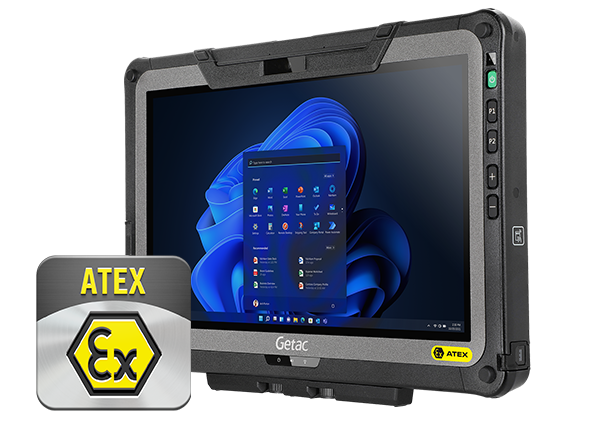
Key Takeaways
ATEX is EU law, in two parts. Directive 2014/34/EU sets requirements for equipment placed on the EU market, and Directive 1999/92/EC sets minimum health and safety requirements for employers. The equipment directive has applied since 20 April 2016 and replaced 94/9/EC (European Commission).
Employers classify potentially hazardous areas into zones, based on the level of danger posed. Zones 0, 1 and 2 cover gases, vapours and mists, and Zones 20, 21 and 22 cover combustible dust, from continuous presence (0/20) to unlikely and brief (2/22) (Directive 1999/92/EC, Annex I).
Equipment categories match zones. Category 1 equipment suits Zones 0/20, Category 2 suits Zones 1/21 and Category 3 suits Zones 2/22, with higher categories also acceptable in lower-risk zones (Directive 1999/92/EC, Annex II).
Conformity assessment depends on the category. Category 3 electrical equipment follows internal production control by the manufacturer. Category 1 and 2 electrical equipment involves EU-type examination by a notified body (Directive 2014/34/EU, Article 13).
IECEx is a voluntary international scheme. It certifies equipment to IEC standards in more than 35 member countries (IECEx), and it is not itself an EU legal requirement.
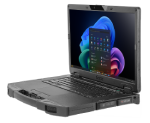
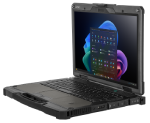
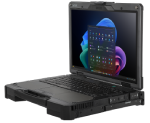
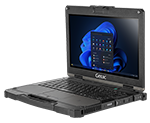
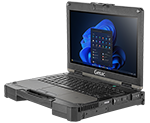
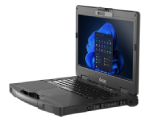
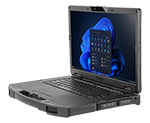
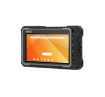
Check each model's certificate. Getac lists certifications by model, and its ATEX certified tablets are on the Getac tablets page. Confirm the spec sheet and certificate before deployment.
ATEX and IECEx at a Glance
The table below compares ATEX and IECEx, the two frameworks relevant to an EU buyer.
Comparison of ATEX and IECEx
| Certification | Region / Authority | Applicable Standards | Classification System | Status for EU buyers |
|---|---|---|---|---|
| ATEX | EU (and EEA); Directives 2014/34/EU and 1999/92/EC | EN 60079 series (harmonised standards) | Zone (0/1/2 gases, 20/21/22 dust) | Legal framework for equipment used in potentially explosive atmospheres |
| IECEx | International (IEC); more than 35 member countries | IEC 60079 series | Zone (0/1/2 gases, 20/21/22 dust) | Voluntary scheme, useful for projects outside the EU |
What Is ATEX?
ATEX comes from the French ATmosphère EXplosible. It refers to two EU directives that work together (European Commission).
Equipment Directive 2014/34/EU applies to equipment and protective systems intended for use in potentially explosive atmospheres. It is addressed to manufacturers and other economic operators, and it applied from 20 April 2016, replacing Directive 94/9/EC.
Workplace Directive 1999/92/EC sets minimum requirements for improving the safety and health protection of workers at risk from explosive atmospheres. Employers must prevent explosive atmospheres from forming, avoid ignition and limit the effects of an explosion (Article 3).
An explosive atmosphere needs air, an ignition source and a flammable gas, mist, vapour or combustible dust. Devices used in these areas must not become the ignition source. The Commission published the sixth edition of its ATEX guidelines in January 2026 (European Commission). Member states transpose the directives into national law, so confirm local requirements.
How Hazardous Areas Are Classified in the EU
Employers classify places where explosive atmospheres may occur into zones (Directive 1999/92/EC, Article 7 and Annex I).
Equipment is also grouped. Group I covers underground mining equipment (categories M1 and M2), and Group II covers equipment for other potentially explosive atmospheres (Directive 2014/34/EU, Annex I).
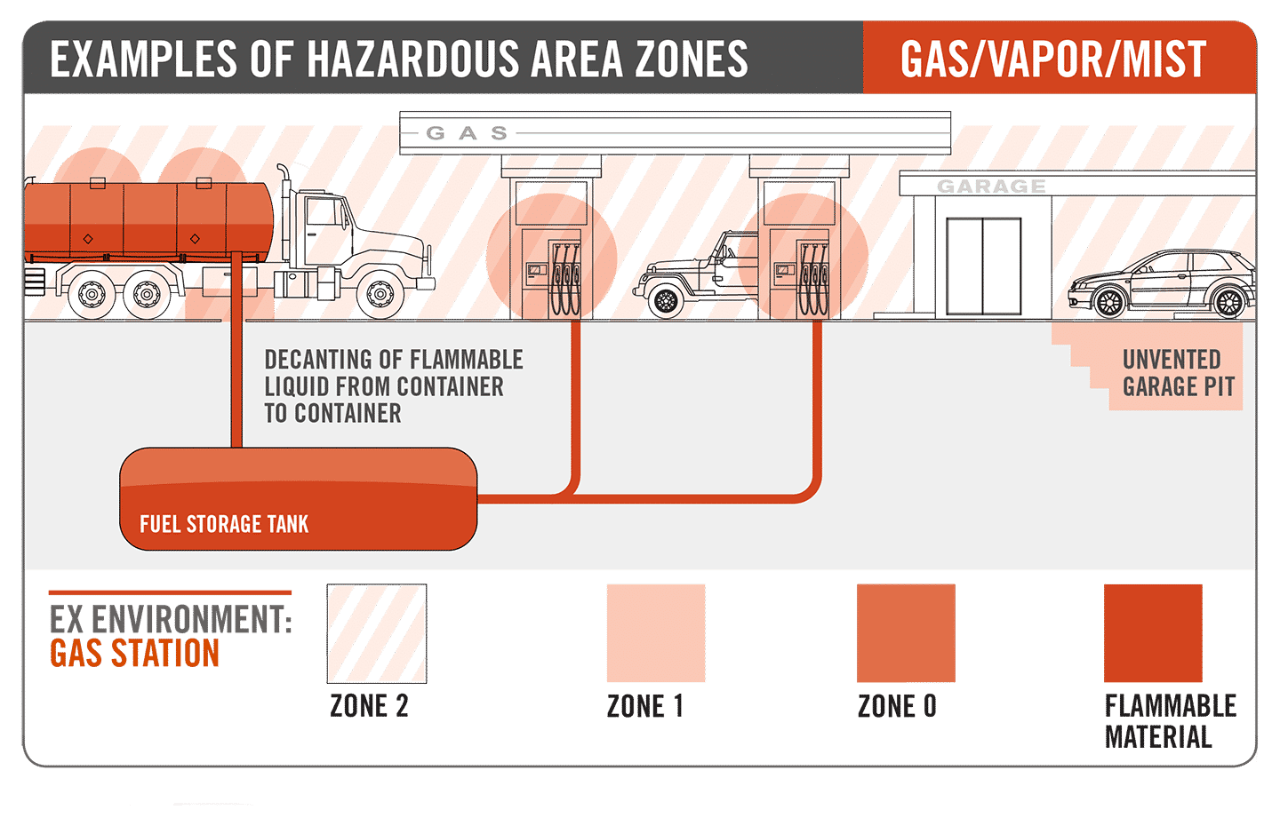
Figure 1: Examples of hazardous area zones for gases, vapours and mist. Zone 0: ignitable gas present continuously or for long periods. Zone 1: likely during normal operation. Zone 2: unlikely, and brief if it occurs.
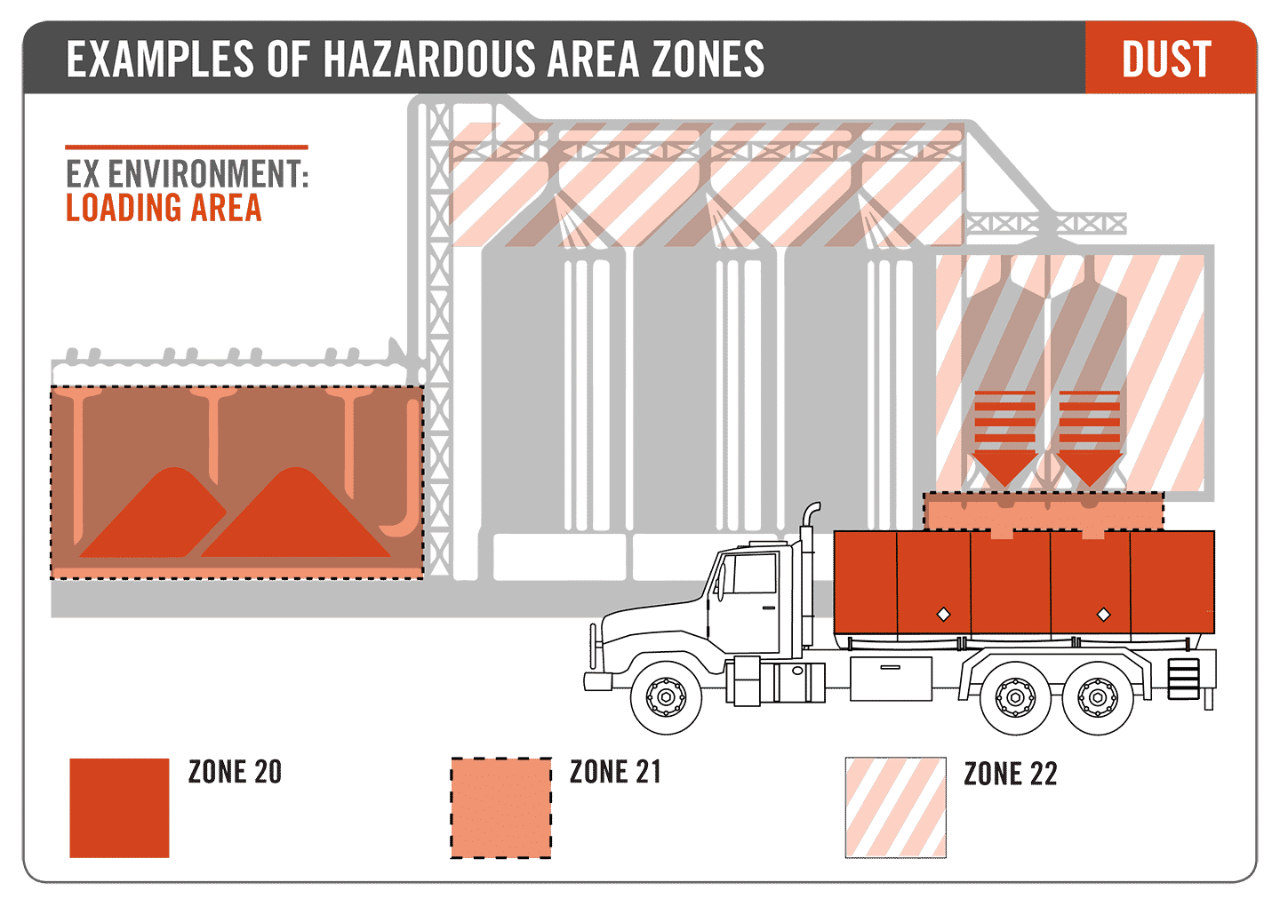
Figure 2: Examples of hazardous area zones for combustible dust. Zone 20: dust present continuously or for long periods. Zone 21: dust likely during normal operation. Zone 22: dust unlikely, and brief if it occurs.
Equipment Categories and Conformity Assessment
Group II equipment is placed in Category 1, 2 or 3, and the category sets which zones it suits and how it is assessed.
Equipment Categories, Suitable Zones and Conformity Assessment
| Category | Suitable zones (gas / dust) | Conformity assessment for electrical equipment |
|---|---|---|
| Category 1 | Zone 0 / Zone 20 (and lower-risk zones) | EU-type examination by a notified body, plus conformity to type or quality assurance |
| Category 2 | Zone 1 / Zone 21 (and Zones 2/22) | EU-type examination by a notified body, plus conformity to type or quality assurance |
| Category 3 | Zone 2 / Zone 22 | Internal production control by the manufacturer |
Sources: Directive 1999/92/EC, Annex II for zones and Directive 2014/34/EU, Article 13 for conformity assessment. The European Commission lists notified bodies in its NANDO database (European Commission).
How ATEX Certification Works
A product reaches the EU market in four stages.
Classify the area.
The employer assigns each place a zone.
Design to the standards.
Manufacturers design to harmonised standards, the EN 60079 series, whose references are published in the Official Journal of the European Union (European Commission).
Assess conformity.
Depending on category, the manufacturer or a notified body assesses the product against the essential health and safety requirements.
Mark and declare.
The manufacturer affixes CE and Ex markings and draws up an EU declaration of conformity (Directive 2014/34/EU).
IECEx follows a similar path under a different system: IECEx Ex Certification Bodies assess products against IEC 60079 standards.
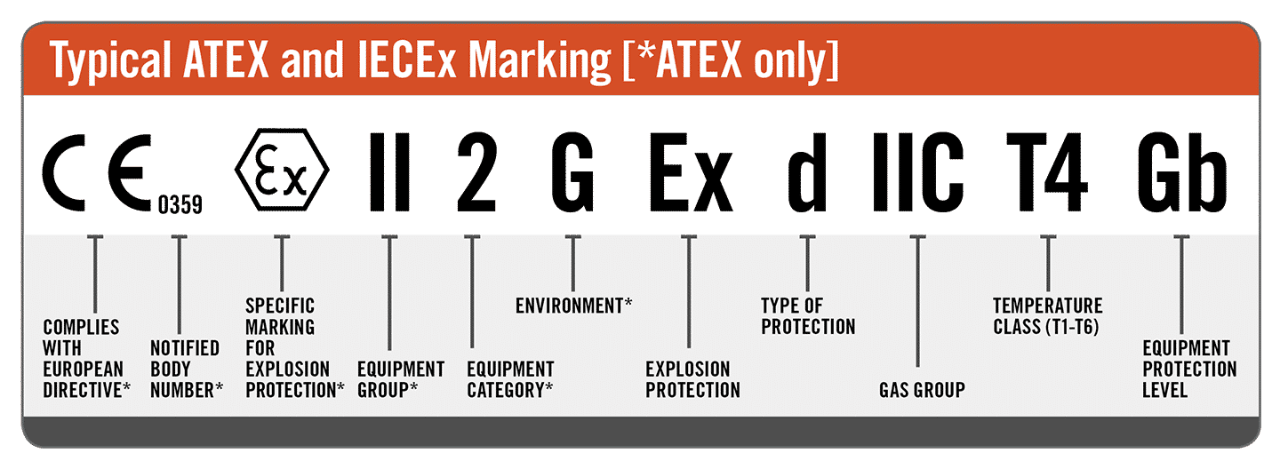
Figure 3: Typical ATEX and IECEx marking. Items marked with an asterisk apply to ATEX only.
Protection Types, Including Intrinsic Safety
Protection Types, Markings and Standards
| Protection type | Marking | How it works | Standard |
|---|---|---|---|
| Flameproof enclosure | Ex d | An enclosure withstands an internal explosion and prevents it from igniting the surrounding atmosphere. | EN/IEC 60079-1 |
| Intrinsic safety | Ex ia, ib, ic | Limits electrical and thermal energy so a circuit cannot ignite the atmosphere, including under fault conditions. | EN/IEC 60079-11 |
Other protection types exist, such as increased safety (Ex e). Intrinsic safety has three levels: Ex ia tolerates two faults and suits Zones 0/20, Ex ib tolerates one fault and suits Zones 1/21, and Ex ic suits Zones 2/22.
Where Certified Devices Are Used
Classification is set by the employer's risk assessment, so the examples below are illustrative.
Example Industries, Hazards and Typical Zones
| Industry | Example hazards | Typical zones |
|---|---|---|
| Oil and gas | Flammable gases and vapours at wells, compressor stations and refineries | Zones 0 to 2 |
| Chemical and pharmaceutical | Solvent vapours in processing and laboratory areas | Zones 0 to 2 |
| Food, agriculture and wood | Combustible dust in flour mills, grain silos and wood processing | Zones 20 to 22 |
| Fuel storage and transport | Fuel vapours at depots and loading areas | Zones 1 and 2 |
| Mining | Methane and coal dust underground | Group I equipment (M1 and M2) |
Illustrative scenario: an operator with plants in Germany and Poland works under the same two directives and zone system in both countries, so one classification method and one set of equipment markings apply. A project outside the EU may ask for IECEx, so a device carrying both certificates can simplify deployment.
Explore Getac Rugged Tablets for Hazardous Locations
Hazardous location certifications are assigned model by model. The Getac tablet product pages list the certifications, specifications and configurations for each model, so you can match a device to your site's zone before you buy.
Compare Getac tablets, check the certificates that apply to your region, and talk to Getac about the right fit for your work site.
Note: ATEX certification applies in the EU. Equipment for US sites is certified to US standards such as ANSI/UL 121201. Getac lists the certifications for each model on its product pages.
Getac in Practice
Getac customers in hazardous environments have shared these results from their deployments.
TRANSOCEAN, OFFSHORE DRILLING
times
Transocean deployed the F110 for emergency procedures and achieved 25% faster muster times than its previous method (Getac oil and gas page).
INFOMARINE, MARITIME DIAGNOSTICS, POLAND
InfoMarine, a Polish maritime diagnostics company, reports that its ATEX certified Getac tablet is over 50% faster than its previous measurement device, and that the ATEX version has let it carry out diagnostics in hazardous areas previously excluded from routine inspections (Getac video).