














Key Takeaways
- Getac rugged devices (S510 AD, V120, UX10) enable real-time data integration across sensors, ISR feeds, and command systems to support faster, better decisions in the field.
- AI in defense situational awareness is supported by on-device acceleration (e.g., Intel AI Boost NPUs; Qualcomm Hexagon NPUs on Android) for tasks like video analytics, object detection, and threat classification—without relying solely on the cloud.
- Certified ruggedness (MIL-STD-810H, MIL-STD-461G, IP66) and glove/rain-touch, sunlight-readable displays help maintain a continuous common operational picture in extreme environments.
- Built-in connectivity options (Wi‑Fi 6E/7, optional 4G/5G Sub-6, RF pass-through, dual SIM, dedicated L1/L5 GPS) keep network-centric warfare systems online and synchronized.
- Strategies for real-time data processing, such as Thunderbolt 4 data ingest, hot-swappable batteries, and vehicle/office docking, ensure uninterrupted workflows for mapping, geo‑tagging, and live collaboration.
What is situational awareness in defense, and why does it matter?
Situational Awareness (SA) is the ability to identify, process, and comprehend the critical elements of information in complex, variable environments. In defense, that means understanding the current picture, projecting what happens next, and making informed mission decisions. Open-source situational awareness can expand this picture by fusing publicly available information with classified sources to improve threat detection and context.
- How does real-time situational awareness change outcomes?
By continuously integrating and analyzing live feeds, units act on the most current data—reducing response time and improving mission success.
- Where do AI and sensor fusion fit?
AI in defense situational awareness and sensor fusion in military applications help correlate multi-domain inputs (video, comms, telemetry, GIS) into an actionable common operational picture.
How do defense teams achieve situational awareness end-to-end?
- Perception: Identifying relevant elements like assets, threats, and terrain.
- Comprehension: Interpreting and prioritizing information for mission context.
- Projection: Modeling likely scenarios to inform rapid tasking
Key enablers:
- Real-time data integration from diverse sources (platform sensors, UAVs, blue-force trackers, logistics systems).
- Clear communications across teams and agencies to maintain a shared, up-to-date operational picture.
- Strategies for real-time data processing at the edge to minimize latency and maintain function in denied or degraded comms.
Which Getac solutions strengthen defense situational awareness?
Getac delivers rugged, mission-ready computing platforms built to perform in extreme environments, handling shock, vibration, dust, rain, and wide temperature ranges. The AI-ready devices feature dedicated NPUs for rapid on-device inference, enabling real-time detection and decision support at the edge. With Windows-based models, including CoPilot+ PC options to ensure integrated AI experiences, secure device management, and robust enterprise control for defense teams prioritizing situational awareness and operational reliability.
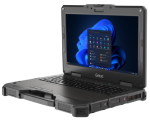
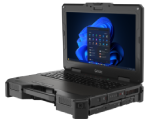
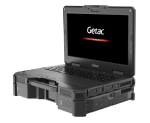
Rugged Laptops for Command and Control
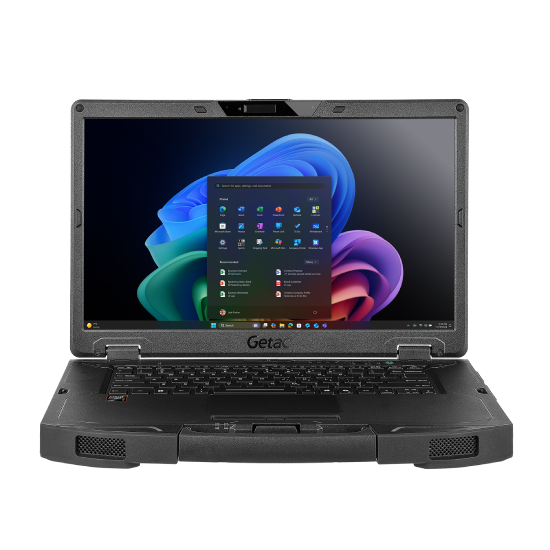
CoPilot+ PC
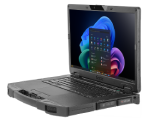
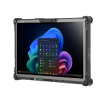
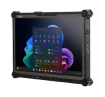
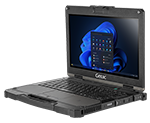
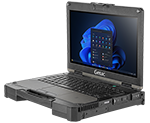
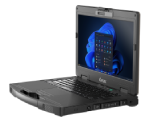
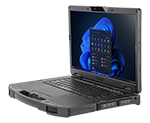
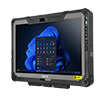
S510 AD
Rugged, performance-forward system designed to balance mobility and capability for field commanders and vehicle deployments.
Rugged 2-in-1s and Tablets for Dismounted Roles and Vehicle Mounts
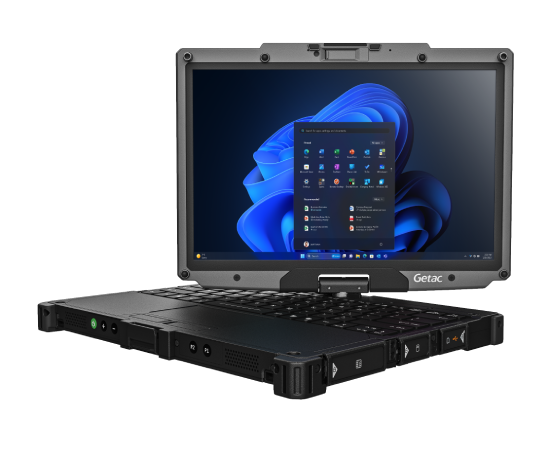
AI Ready
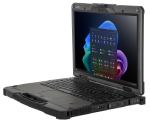
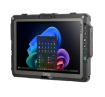
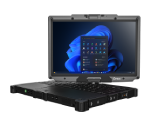
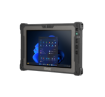
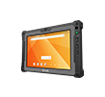
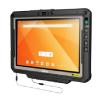
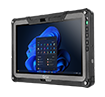
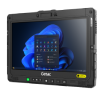
V120
Fully rugged convertible for on-foot and in-vehicle tasks with reliable performance and secure comms.
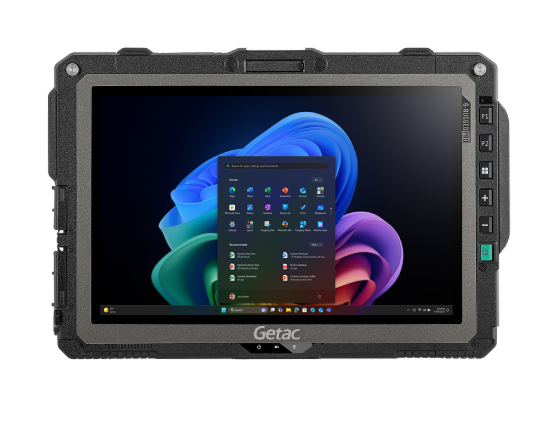
CoPilot+ PC
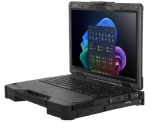
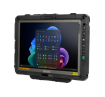
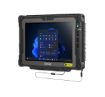
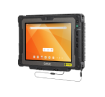
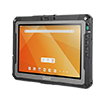
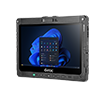
UX10
- Fully rugged tablet, field-proven with defense customers; ideal for mobile teams needing compact power with reliable accessories and mounts.
How do Getac devices support real-time data integration and AI at the edge?

AI Acceleration
- Windows: Select platforms offer Intel AI Boost (NPU) for on-device inference supporting video analytics and pattern recognition, as well as AMD AI acceleration with AMD XDNA™ 2 (NPU delivering up to 50 TOPS) for high-performance edge AI workloads.
- Android: Qualcomm Hexagon NPU (e.g., ZX80, ZX10G2) delivers up to 13 TOPS for on-device computer vision and AR-enhanced GIS overlays.

Connectivity for Network-Centric Operations
Wi‑Fi 6E/7, optional 4G/5G with RF pass-through, dual SIM, and dedicated L1/L5 GPS support resilient, high-bandwidth links across dispersed units.

High-throughput Data Ingest
Thunderbolt 4 Type‑C (Intel platforms only) enables ultra-fast transfer from external sensors and recorders—ideal for ISR offload, map updates, and large dataset synchronization. Android devices feature USB 3.2 Gen 1 Type‑C, and the S510AD leverages USB 4 Type‑C for similarly robust high-bandwidth ingest.

Power and Uptime
Hot-swappable batteries and vehicle docks keep devices mission-ready without shutdowns, sustaining real-time situational awareness during long operations.
Where do these capabilities translate into mission benefits?

Improved Decision-Making
Real-time, AI-assisted analysis of sensor feeds and mission overlays shortens OODA loops.

Safety and Security
Early hazard/threat identification through integrated data and durable hardware reduces risk to personnel and civilians.

Cross-unit Coordination
Consistent, low-latency connectivity aligns teams and agencies on a shared, current picture.

Operational Efficiency
Faster data ingest, resilient power, and ruggedized usability increase tempo without sacrificing accuracy.
Success Story
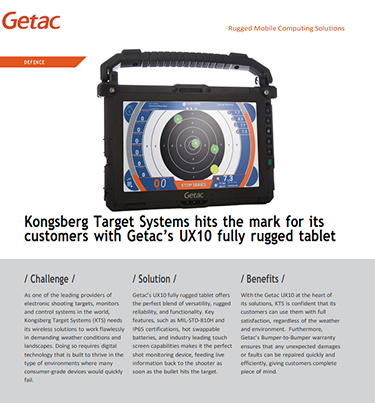
Kongsberg Target Systems uses the Getac UX10 fully rugged tablet to deliver reliable performance for customers operating in demanding outdoor conditions.
Frequently Asked Questions
On-device NPUs accelerate computer vision and classification; multi-sensor inputs (video, GPS, RFID, telemetry) are fused via partner software to enhance detection and context, even with limited bandwidth.
Use Thunderbolt 4 for fast ingest, maintain dual power with hot-swappable batteries, enable RF pass-through for stronger links, and run AI inference locally to reduce dependency on cloud backhaul.
Persistent, multi-bearer connectivity (Wi‑Fi 6E/7, optional 4G/5G Sub-6, dedicated GPS) plus ruggedized form factors keep nodes online so units can publish, subscribe, and act on live data.
Conclusion
Defense situational awareness depends on fast, reliable real-time data integration, resilient connectivity, and edge AI that turns raw inputs into action. Getac’s rugged laptops and tablets—backed by MIL-STD certifications, IP ratings, high-visibility touch displays, secure authentication, and mission-ready accessories—help teams perceive, comprehend, and project with confidence across land, sea, and air. Want a quick summary for your team? Request an infographic version of this page that maps devices and capabilities to the SA lifecycle (Perception, Comprehension, Projection).
Additional Resources
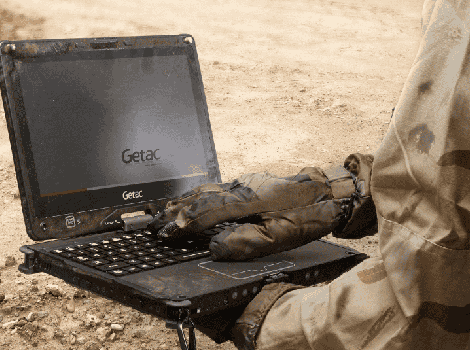
4 Security Features the Military Considers When Looking for Rugged PC Solutions
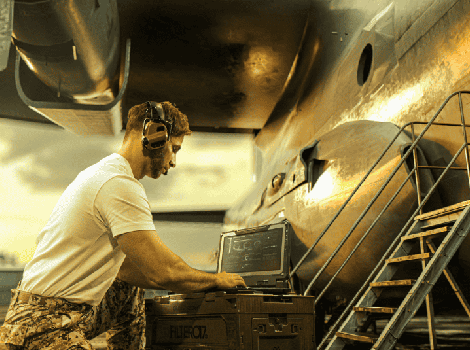
What The Military Needs in a Rugged Mobile PC
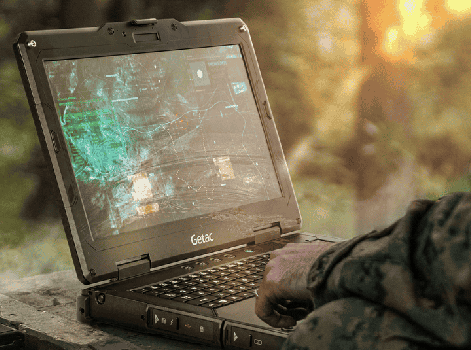
Fully Rugged Mobile Workstations in the Defense Industry